
Last updated November 24, 2026
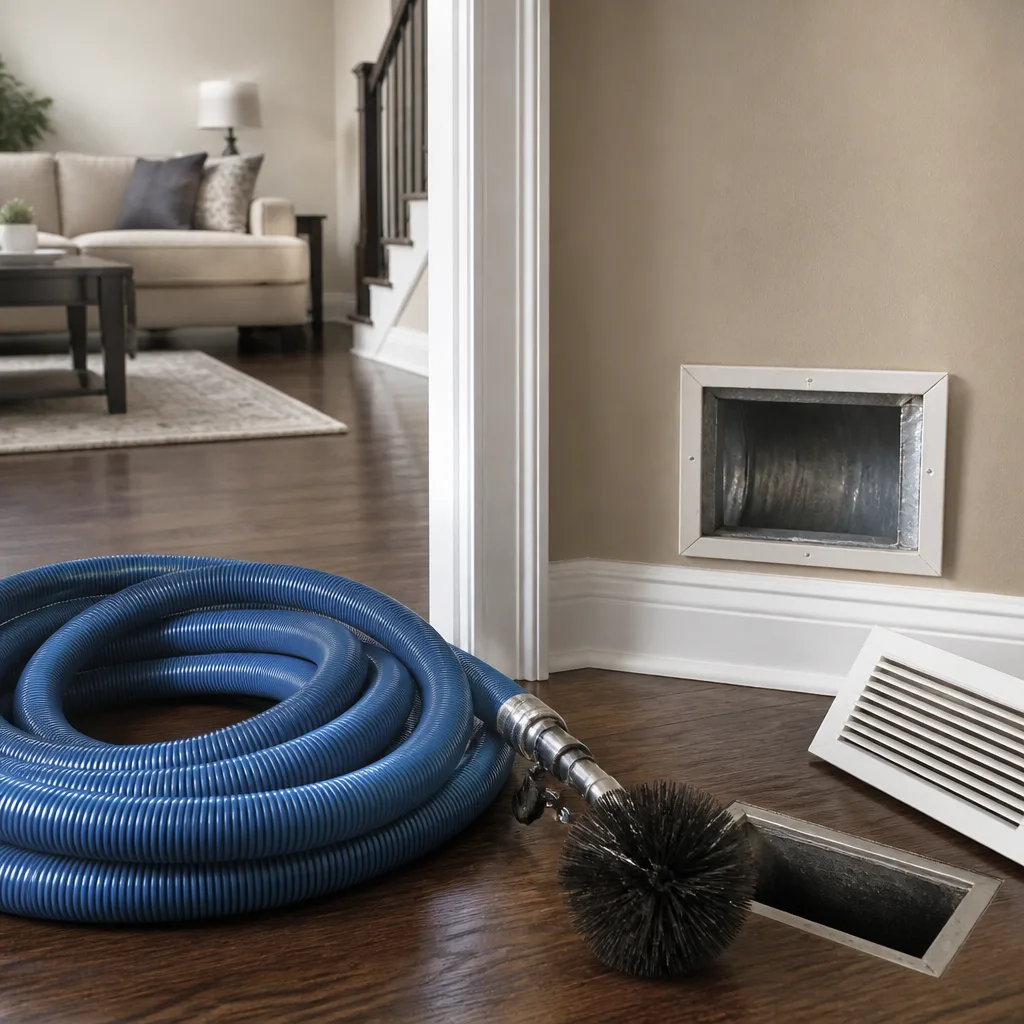 Whole-home duct cleaning
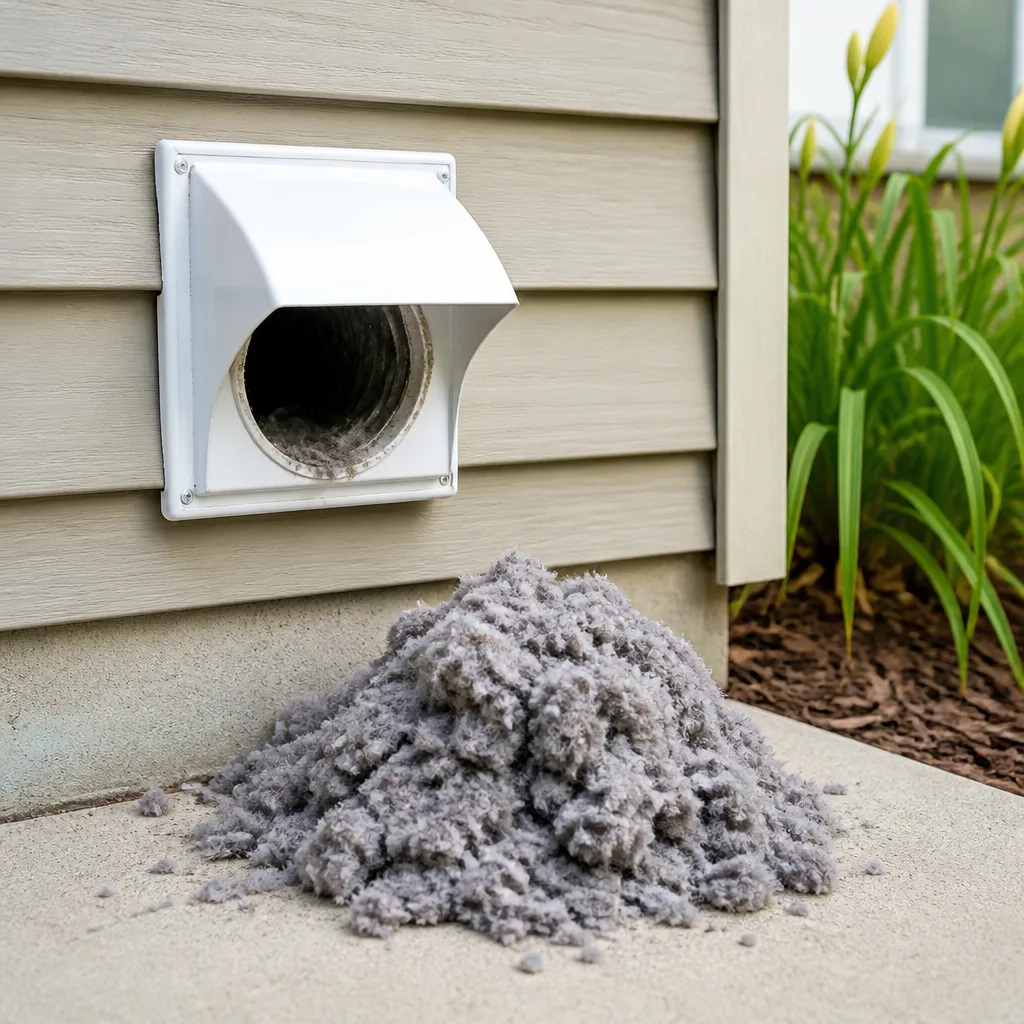 Dryer vent cleaning
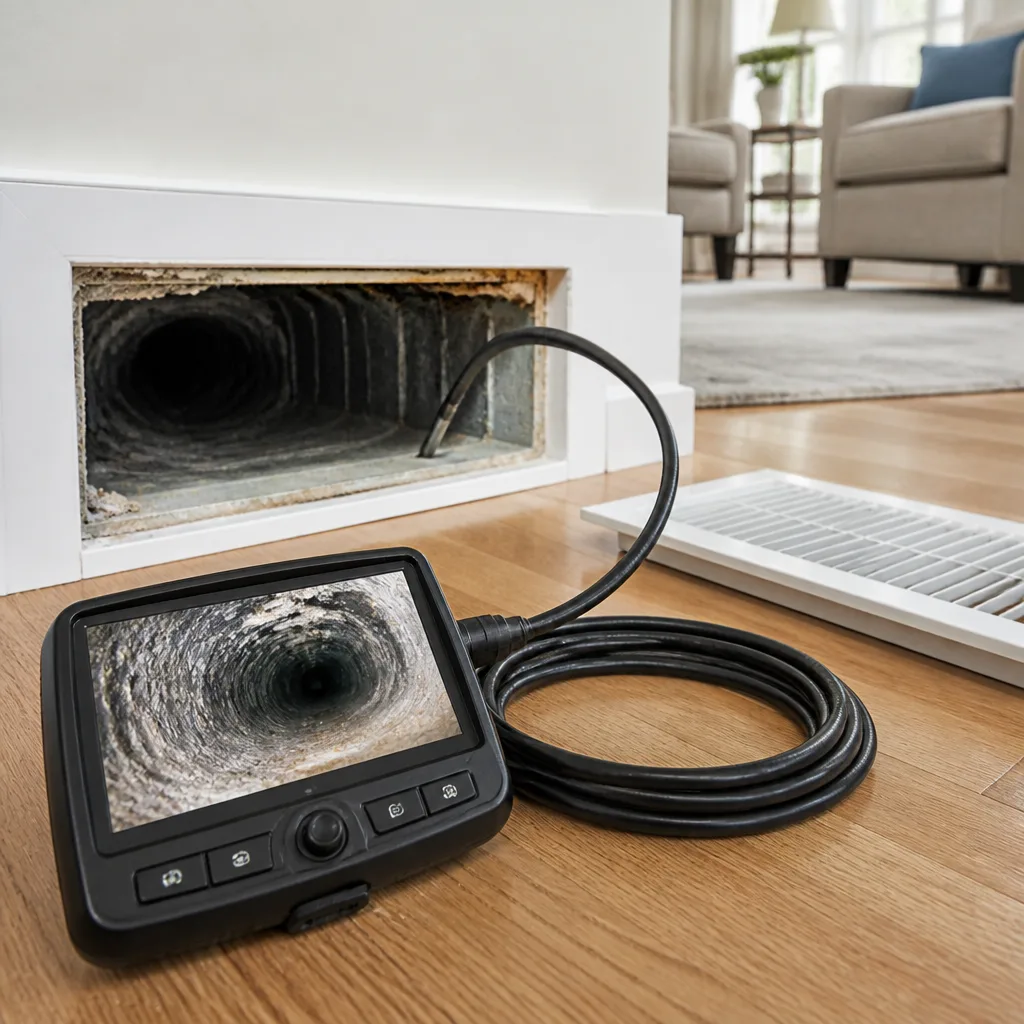 Camera inspection
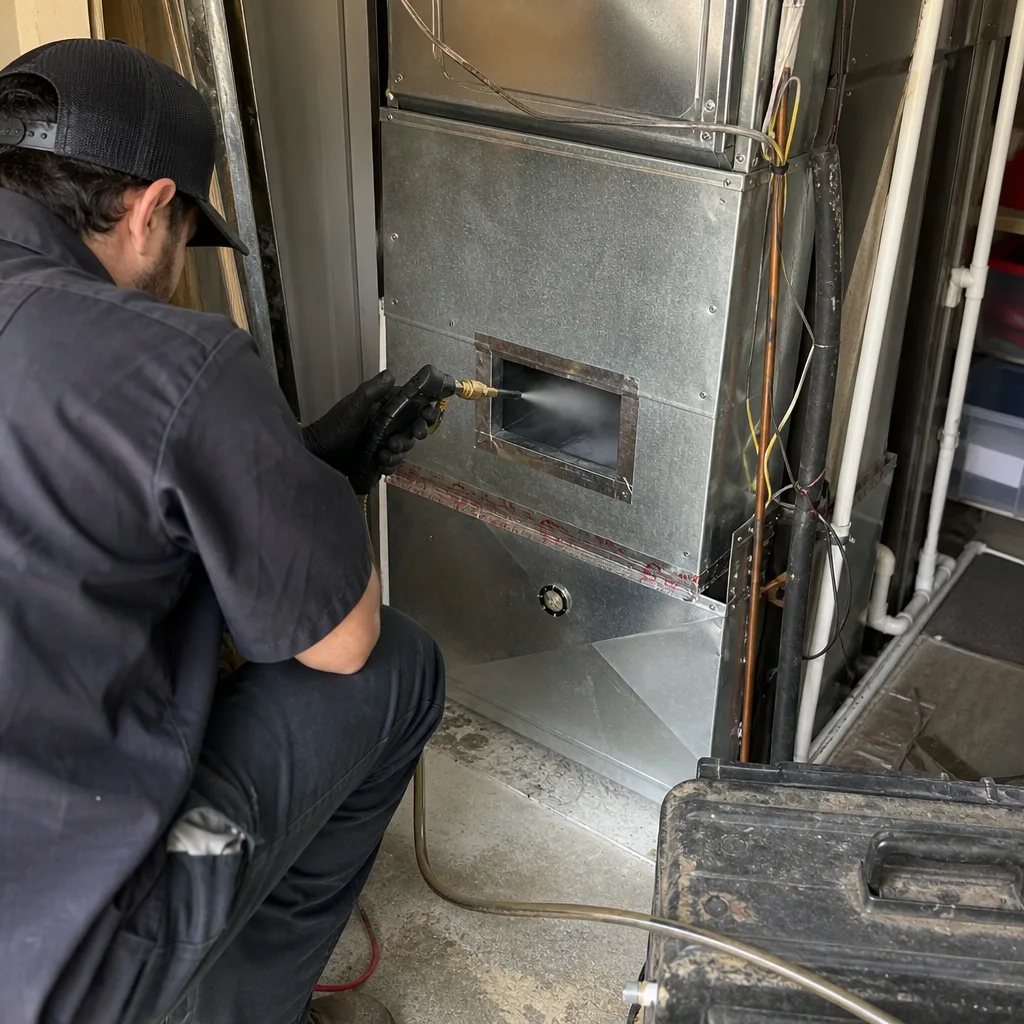
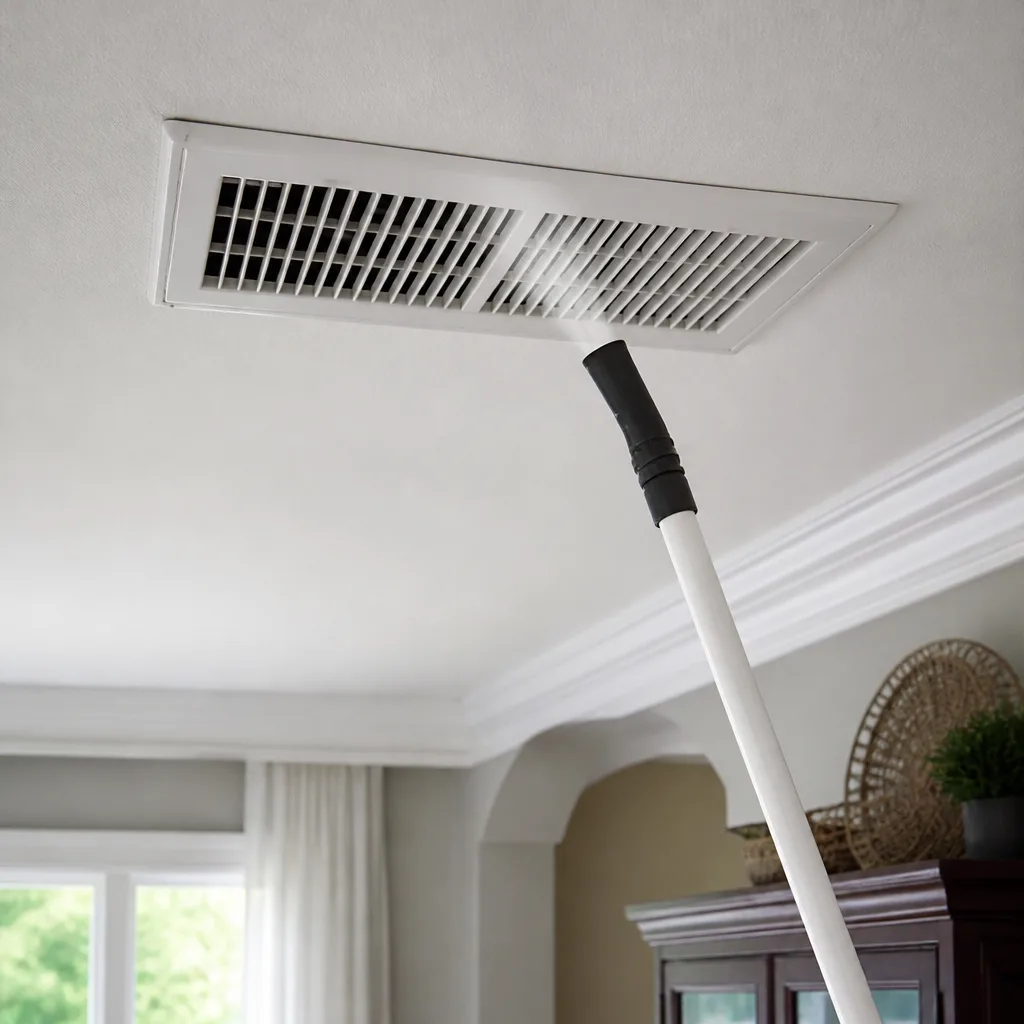 Sanitizing & deodorizing
Whole-system duct and dryer vent check with before-and-after photos - you see exactly what came out of your vents
That "$99 whole-house special" is a bait ad - the real number appears once they are in your hallway, or the "clean" is a shop-vac at the register. We photograph the inside of your ducts before and after instead.
The Complete Guide to Air Duct Cleaning in West Jordan
Most people in West Jordan think of duct cleaning as a single afternoon event: a technician arrives, runs a vacuum through the vents, and the job is done. That picture leaves out the part that decides whether your air actually gets cleaner. Cleaning removes what has built up inside the system. Sealing and airflow verification keep it from coming straight back and keep the whole system working the way it was designed to. Skip the second and third steps and you get a clean duct that still leaks, still pulls dust from the attic or crawlspace, and still delivers uneven air to the back bedrooms. In this guide we walk through what a real system-level clean looks like in West Jordan, how our high-desert climate changes the schedule, what equipment separates a professional service from a shop-vac operation, and how to tell the difference before you pay.
Quick Answer
Air duct cleaning in West Jordan is a system-level process, not a vacuum pass. A proper service removes debris at the source with professional rotary-brush and negative-pressure equipment, addresses the coils, blower, and air handler alongside the ducts, then verifies airflow so you know the system is sealed and delivering what it should. Cleaning alone, without sealing and verification, leaves a clean leaky duct that still wastes energy and still pulls particles from outside the living space.
Styles & brands we work with
- Whole-home duct cleaning
- Dryer vent cleaning
- Camera inspection
- Sanitizing & deodorizing
Table of Contents
- Why West Jordan’s Climate Makes Duct Cleaning Different
- Source Removal vs. Blow-and-Go: What Actually Gets Cleaned
- Why Cleaning and Sealing Belong Together
- The Equipment Class That Separates Pros From Pretenders
- A Realistic Service Timeline, Start to Finish
- How Much Air Duct Cleaning Costs in West Jordan
- HVAC Cleaning, Dryer Vents, and Air Quality Sanitizing
- Signs You Need Service Now
Why West Jordan’s Climate Makes Duct Cleaning Different
West Jordan sits in the Salt Lake Valley, and the valley’s weather puts more particulate into the air than most of the country deals with. Summers are dry and dusty, with long stretches of zero rain and wind that lifts soil from open lots and construction sites. Winter brings the inversion season, when cold air traps warmer air underneath and fine particles settle into the valley for days at a time. Your HVAC system breathes that air all day, every day, and whatever makes it past the filter lands somewhere in the ductwork.
That load is heavier than what a homeowner in, say, a humid eastern city deals with. Wet climates flush their air regularly with rain and have less airborne dust to begin with. West Jordan does the opposite. Dry air keeps fine dust suspended longer, and the inversion layer holds it low. Add the fact that most West Jordan homes run their furnaces hard through the cold months and their air conditioners hard through the hot ones, and the ducts get a much bigger workout than the same square footage in a milder climate.
What this means in practice:
- Dust and debris accumulate faster than the two-to-three-year general guideline you’ll see on national sites. In our experience, homes near active construction in the southwest part of the valley see buildup even faster.
- The dry air pulls moisture out of the seals and joints, so gaps open up faster here than in humid climates.
- Inversion season concentrates fine particulate that a standard filter catches only partially. Whatever settles inside the ducts gets re-suspended every time the blower kicks on.
- Musty odors are less common here than in damp climates, but a dusty, chalky smell coming from the registers is a strong West Jordan signal that the system needs attention.
If you live in a neighborhood on the west side of West Jordan near the Oquirrh foothills, you also get wind-driven dust from the open land above the subdivisions. Homes in the older parts of the city near the historic downtown see more buildup from mature trees and older construction materials. Both are reasons to stay ahead of the schedule rather than wait for a visible problem.
Source Removal vs. Blow-and-Go: What Actually Gets Cleaned
There are two ways to “clean” a duct system, and only one of them actually removes the debris. Source-removal cleaning, the standard the National Air Duct Cleaners Association (NADCA) sets, uses mechanical agitation to break the debris loose from the duct walls and negative pressure to pull it into a containment system before it can escape into your living space. Every particle that leaves the duct walls is captured and hauled out.
Blow-and-go is the shortcut. A technician runs compressed air or a consumer vacuum through one part of the system and lets the debris redistribute through the rest. The supply registers blow dust out for a few days, the customer sees a puff of particles and assumes the work was done, and the actual contamination is still there. It’s the difference between cleaning a room and just opening the windows.
What source removal involves:
- Mechanical agitation. Rotary brush systems and air whips break debris off the duct walls. A vacuum alone leaves the film that clings to the metal or flex duct lining.
- Negative pressure containment. The whole system is held under vacuum so nothing escapes into the rooms while it’s being agitated.
- Access points. Technicians cut small, sealed access holes at strategic points to reach the full run, then cap them so the system is airtight afterward.
- Component cleaning. The coils, blower wheel, and air handler get cleaned too, because they sit in the air path and collect the same debris the ducts do.
- Verification. Before-and-after photos and airflow readings confirm the work happened.
When you’re comparing air duct cleaning in West Jordan, ask directly: are you using source-removal standards, and will you show me the before-and-after? Any provider who hesitates on either question is running a blow-and-go operation. That’s the bait-and-switch pattern to watch for, where a low coupon quote becomes a bigger invoice once the technician is on site and “discovers” a problem. One flat price per system, agreed before work starts, is the honest way to buy this service.
Why Cleaning and Sealing Belong Together
A clean leaky duct is still a failing duct. That’s the part most homeowners miss. Duct leaks pull air in from wherever the ducts run through: attic, crawlspace, garage, wall cavities. In a West Jordan home that means hot dry attic air in summer, cold air in winter, and dust, insulation fibers, and whatever else is floating in those unseen spaces. If you clean the ducts but leave the leaks, the system re-contaminates within one heating season.
The EPA estimates that up to 30% of conditioned air in a typical home is lost through duct leaks. That means your furnace or air conditioner is working nearly a third harder than necessary just to push air past the gaps, and it also means whatever is on the other side of those gaps is getting pulled in.
This is where sealing comes in, and it’s also where a lot of duct cleaning quotes stop short. Sealing means taping or mastic-sealing the joints, connections, and access points so the system holds pressure. It also means evaluating whether the duct runs themselves are correctly sized and routed, because a sealed system with bad layout still delivers uneven air to the far rooms.
What a blower door or Duct Blaster test actually tells you
A Duct Blaster (also called a duct leakage tester) pressurizes the duct system and measures how much air escapes. A blower door test does the same for the whole house envelope. Together they tell you two things: how leaky the ducts are, and how much of the leakage is going into conditioned space versus unconditioned space.
Why it matters after service: without a measurement, you have no way to know whether the sealing actually worked. A technician who cleans and seals but never measures is guessing. When you get a before-and-after duct leakage reading in your hand, you know how much air the system was losing before and how much it’s losing now. That is verification, and it’s the difference between a service and a promise.
When we evaluate duct systems, we treat cleaning, repair, and sealing as one integrated job. A split or disconnected duct run in a West Jordan attic is a common find, and cleaning without repairing it just sends the debris back into the intake. Clean it, seal it, verify it. That’s the sequence that holds up over time.
The Equipment Class That Separates Pros From Pretenders
The single biggest tell of a legitimate operation is the equipment on the job. Consumer-grade tools cannot do this work, no matter who is operating them. A shop vac and a hand brush is not air duct cleaning. It’s a surface wipe that puts half the debris into the air of your home.
What to look for when the technician arrives:
- Truck-mounted or high-capacity negative pressure unit. These are what pull the volume of air required to actually move debris through a residential duct system. A portable box unit with a small hose can agitate but cannot contain a whole system.
- Rotary brush system. Rotobrush is one of the systems we use because it combines agitation and vacuum in one pass, so the debris is captured as it comes off the wall. It’s the same class of tool commercial contractors use.
- Containment and filtration. Nikro equipment and similar systems are built to capture fine particles, not just large debris. That’s the difference between dust being captured and dust being blown into your living room.
- Inspection camera. A camera shows what’s inside the duct before and after. Ask for it.
- Access-hole sealing tools. Any technician who cuts access holes should also have the equipment to cap them properly, not just tape them shut with duct tape that peels off in a year.
One more signal: a professional technician knows the filtration equipment already in your home. If your system runs a Honeywell or Aprilaire media filter or air-treatment component, the technician should be able to explain how that component interacts with the ducts, whether it’s clean, and whether it needs replacement. Generalist handymen work around filtration. Specialists work with it.
A Realistic Service Timeline, Start to Finish
“Done right” has a rhythm, and knowing it helps you judge whether the schedule you’re quoted makes sense. A full system clean on a typical West Jordan single-family home runs about three to five hours depending on how many registers, how many returns, and how much buildup the technician finds. Anyone promising a full house in under an hour is not doing a full clean.
Before service
- Walkthrough and inspection. Identify every supply and return register, look at the furnace or air handler, and check the filtration setup.
- Camera survey. A quick look inside representative duct runs to see what’s actually there. This is where the technician decides whether a standard clean will do or whether heavy contamination or a disconnected run needs repair first.
- Written estimate. The price is set before work starts, per system. Not per vent. Not a coupon that becomes something else on the invoice.
During service
- Set up containment. Negative pressure is hooked up and access points are cut. The system is under vacuum for the whole process.
- Clean the ducts. Rotary brush and air whip run through every branch, trunk line, return, and plenum. Supply and return are both cleaned.
- Clean the mechanical components. The evaporator coil, blower wheel, and air handler cabinet get cleaned. These are in the air path and collect the same debris.
- Address repairs and sealing. Any disconnected, crushed, or torn duct runs are repaired. Joints and access holes are sealed.
- Sanitize if requested. Guardsman or Abatement Technologies sanitizing solution is applied to reduce microbial load after cleaning. It’s an option, offered upfront, not a surprise upsell halfway through.
After service
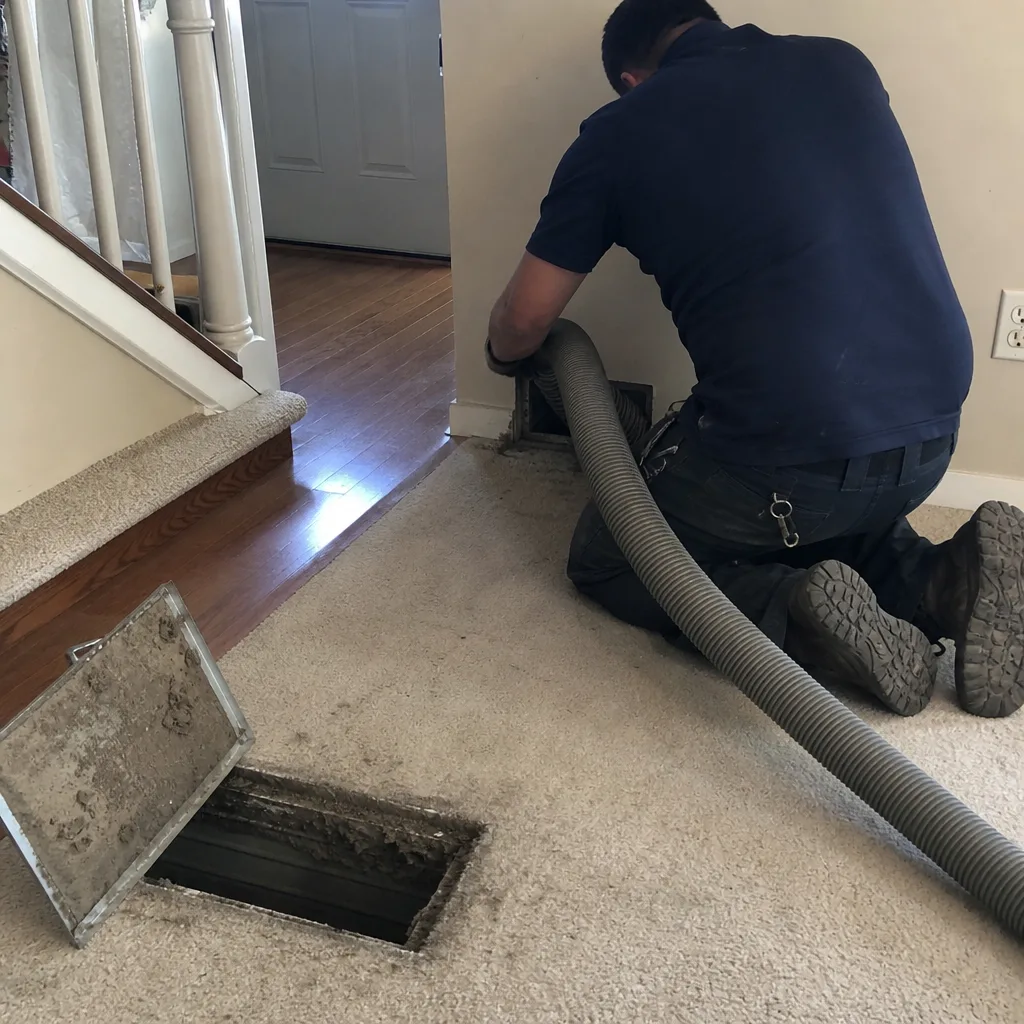
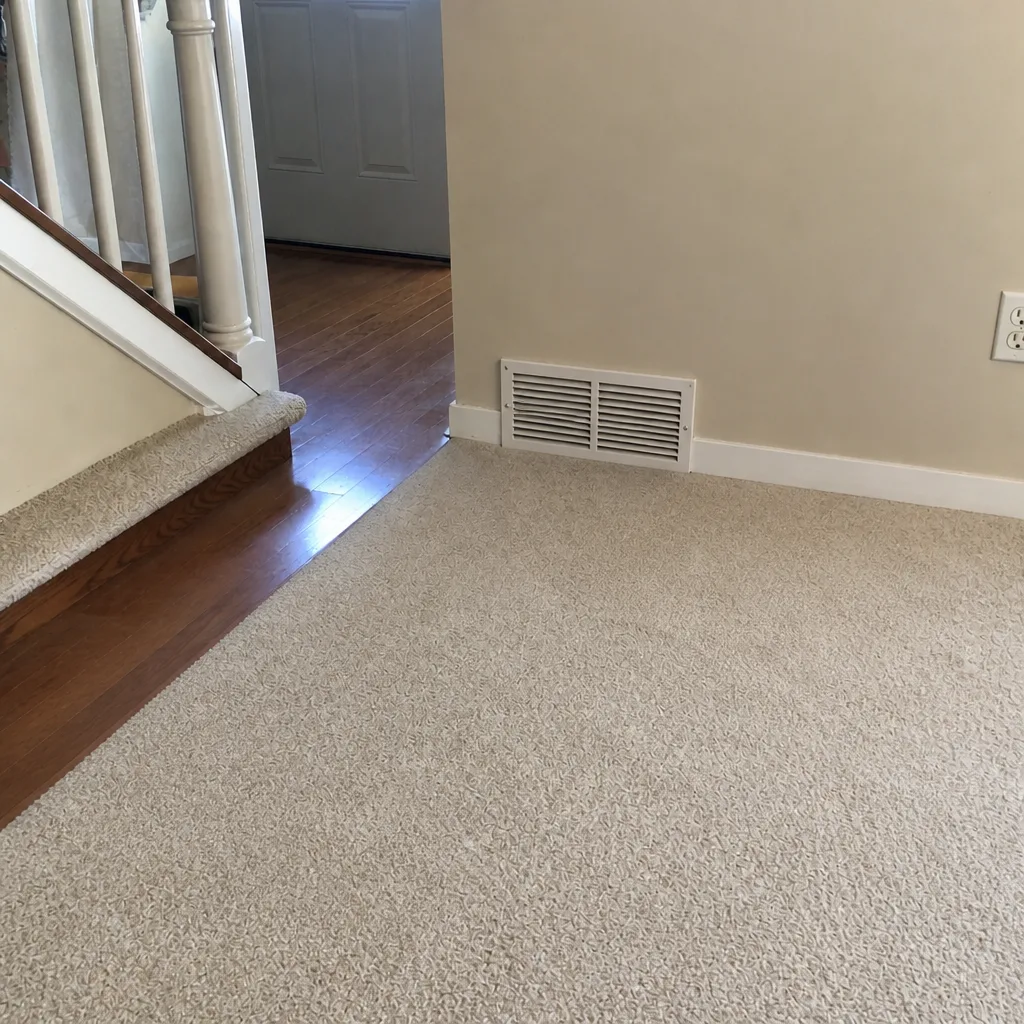
- Before-and-after photos. Inside the duct runs, not just outside the registers. This is your proof the work happened.
- Airflow verification. Measurements at the registers, and where the scope includes it, a duct leakage reading to confirm the sealing held.
- Filter check and replacement. A clean system deserves a clean filter. If your Honeywell or Aprilaire media cabinet needs a fresh filter, the technician should flag it.
How Much Air Duct Cleaning Costs in West Jordan
Prices vary by system size, contamination level, and whether repair or sealing is included, but here are typical ranges for the West Jordan market. All prices are estimates. The written estimate sets the final price, and it should be agreed before any work starts.
- Standard residential duct cleaning (up to about 10-12 registers): $350 – $600
- Larger homes (15+ registers, multiple systems): $600 – $1,000
- Full HVAC cleaning (ducts plus coil, blower, air handler): add $150 – $350
- Duct sealing (mastic and tape on accessible joints and connections): $400 – $1,200 depending on how much of the system is accessible
- Duct repair (disconnected or damaged runs): priced per repair after inspection
- Dryer vent cleaning: $100 – $200
- Sanitizing treatment: $100 – $250 depending on system size
Why the ranges are wide: a 1,500-square-foot home in a West Jordan subdivision with a clean single system and good filter maintenance lands at the low end. A larger home with two systems, heavy dust from nearby construction, and a disconnected flex run or two is at the high end. A reputable provider quotes based on the specific system, and one flat price per system, not a per-vent figure.
If a quote comes in dramatically lower than these ranges, ask what’s included. Common bait-and-switch methods: clean only the supply side and skip the returns, hit the trunk and skip the branches, use a coupon price that “doesn’t include” the furnace or the second system, or skip sealing and verification entirely. Cheaper quotes are cheap because part of the job has been cut out.
HVAC Cleaning, Dryer Vents, and Air Quality Sanitizing
Ducts are one part of a system, and the case for handling the rest of it at the same time is practical: they’re all in the same air path, and if only one part gets cleaned, the rest re-contaminates it. That’s why we treat these as one relationship rather than four separate services.
Full HVAC cleaning
The evaporator coil and blower wheel are wet, dark, and warm during the cooling season, which is exactly what dust and biological growth need. Cleaning the ducts without cleaning the coil means the blower pulls air across a dirty fin surface every time it runs. This is HVAC cleaning, and it’s the part that actually protects the equipment and keeps operating costs in line.
Duct repair and sealing
Repair fixes specific problems: a disconnected flex run in the attic, a crushed section behind a finished wall, a torn boot at a register. Sealing closes the gaps that aren’t repairable but are hurting performance. We treat both as part of a full air duct cleaning scope so the system leaves in better condition than it came in, not just emptier.
Dryer vent cleaning
The dryer vent is a fire-prevention task that the NFPA recognizes as necessary maintenance. Lint buildup in the vent line is a leading cause of residential dryer fires, and the vent line is just as susceptible to a blow-and-go shortcut as the ducts. Dryer vent cleaning done as part of a regular home maintenance schedule, not just when the dryer takes two cycles to dry a load, keeps the household safer.
Air quality sanitizing
After cleaning, a sanitizing treatment applies Guardsman or Abatement Technologies solutions to reduce microbial load in the system. It’s a standard option, offered upfront. Some homes need it, some don’t, and the technician should tell you which yours is before any work begins.
Signs You Need Service Now
Duct cleaning isn’t on a strict calendar, but the signals are consistent. If any of these show up in your home, it’s time to have the system evaluated:
- Visible dust around the registers. A thin dust film that returns within days of cleaning is a sign the ducts are feeding it.
- Uneven airflow between rooms. The back bedrooms push weak air while the front rooms are fine. That’s usually a leak or a disconnected run, not a blower problem.
- A dusty smell when the system starts. Your nose detects a change in the air faster than your eyes do.
- Allergy or asthma symptoms that flare at home. If symptoms get worse indoors, the air path is worth checking.
- A recent remodel or new construction nearby. Drywall dust and construction debris in the ducts is common after work. West Jordan’s ongoing building activity on the west side means many homes sit close to active sites.
- The system has never been cleaned or you don’t know when it was. A home purchased without service records is the most common starting point for a first clean.
- Dryer takes two cycles. A sign the dryer vent needs cleaning.
If you’re noticing any of these, the next step is an inspection, not a quote. Any provider who quotes a price without looking at the system is quoting a guess.
Common Mistakes to Avoid
- Buying on coupon price alone. A coupon quote in the West Jordan market that comes in at half the range above is one that has skipped the returns, the branches, or the verification. Ask what’s included before you book.
- Skipping the sealing step. Cleaning without sealing means re-contamination, especially in West Jordan’s dry climate where duct joints open faster. Insist on clean it, seal it, verify it as one scope.
- Letting the technician skip the HVAC components. Ducts cleaned but coils and blower left dirty is half a job. The system’s air path includes every component the air touches.
- Not asking for before-and-after photos. Photos of your own ducts, not stock images. This is the single easiest way to know the work was actually done.
- Ignoring the dryer vent. It’s a fire-prevention item, and most homeowners never clean it. If the dryer is slow, the vent is the culprit before the dryer itself.
- Assuming any vacuum is enough. Consumer-grade shop vacs cannot move the volume of air required to clean a residential system. Ask what equipment the technician brings.
- Waiting until the system is visibly dirty. By the time dust is visible coming from a register, the buildup has been there long enough to have affected airflow and equipment efficiency.
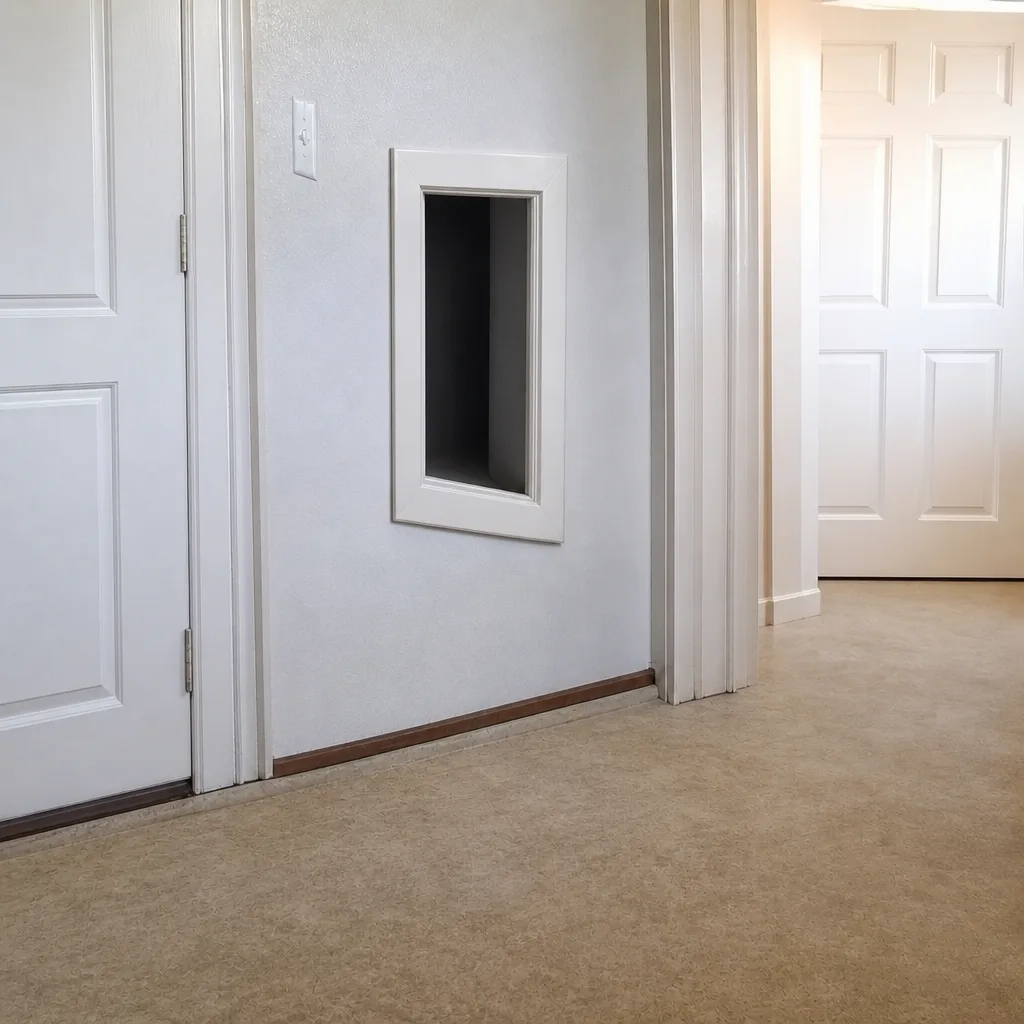
See the difference
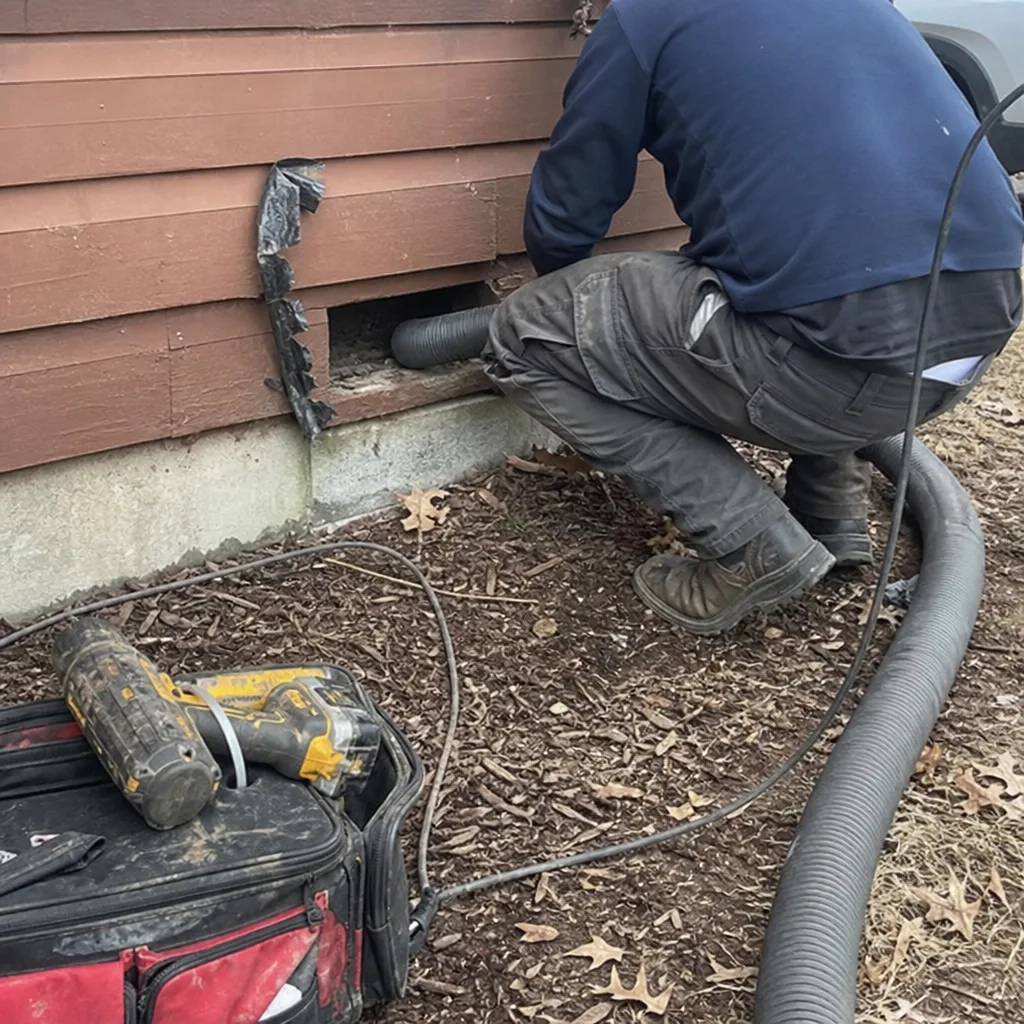 Before
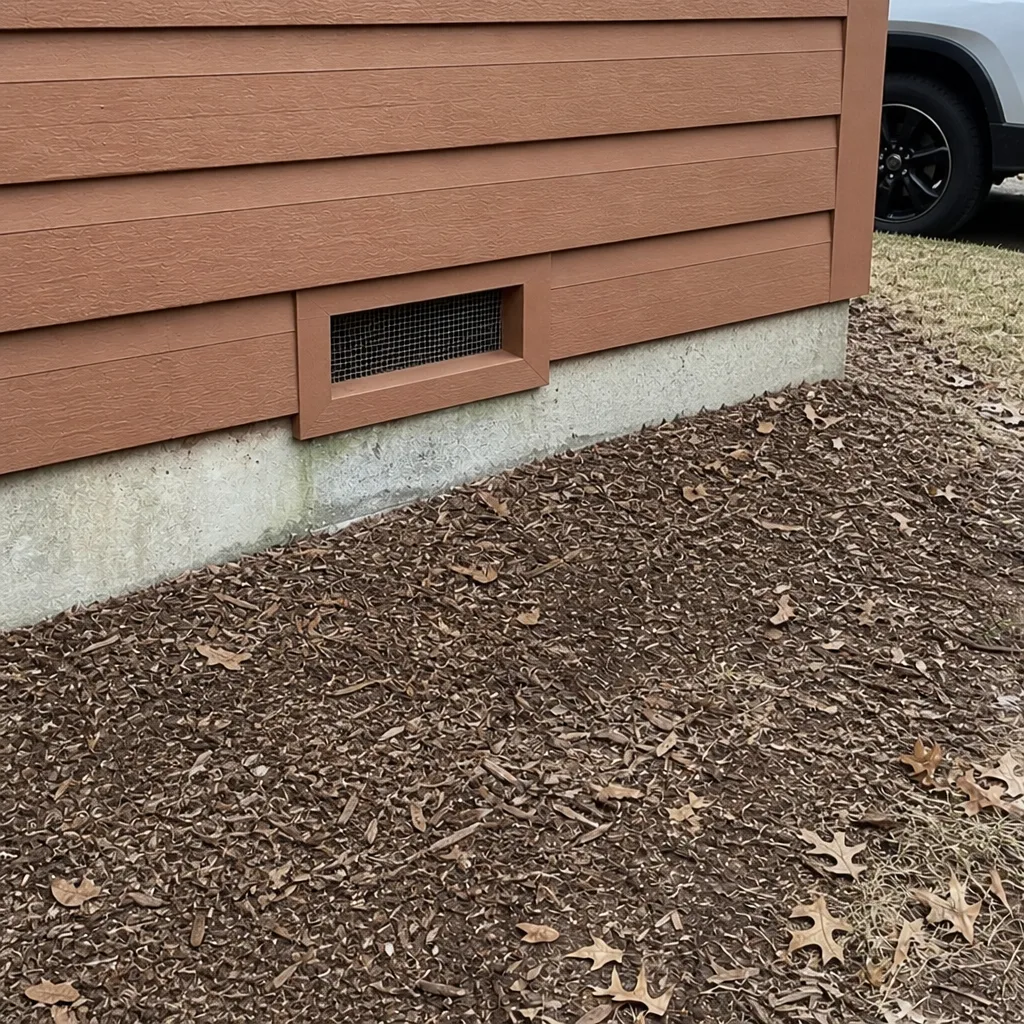 After
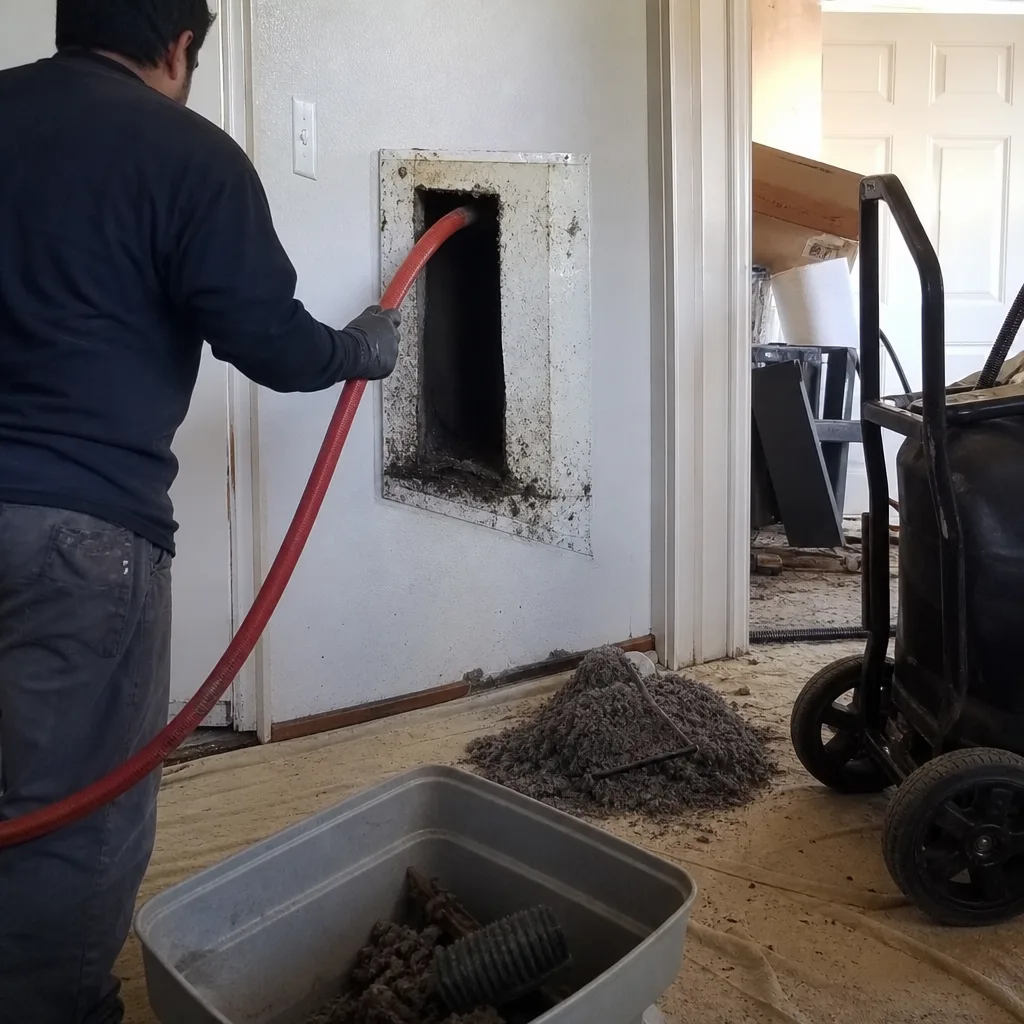 Before
 After
 Before
 After
When to Call a Professional
Some household jobs are DIY-friendly. Air duct cleaning is not one of them. The equipment class required for source-removal cleaning is beyond what any homeowner has at home, and doing a partial clean with the wrong tools can make indoor air quality worse by suspending debris that was settled. If you’re seeing dust return to the registers within days of wiping them, if a room isn’t getting the airflow the rest of the house does, if the system has never been cleaned, if you’ve recently finished a remodel, if your dryer is taking two cycles, or if you’re noticing a dusty smell whenever the heat or AC kicks on, it’s time for a system-level inspection. We offer free estimates in West Jordan. Call (844) 713-5742. We answer 24/7. Fast dispatch from 7am to 7pm, Sunday through Friday.
Frequently Asked Questions
Typical residential duct cleaning in West Jordan runs $350 to $600 for a standard home, $600 to $1,000 for larger homes with multiple systems, and full HVAC cleaning adds $150 to $350. These are estimates, and the written estimate you receive sets the final price. One flat price per system agreed before work starts is the honest standard. Call (844) 713-5742 for an exact quote – estimates are free.
Cheap quotes are cheap because part of the job has been cut. Common shortcuts: cleaning only the supply side and skipping returns, running the trunk line without touching branches, skipping the coil and blower, or skipping sealing and verification entirely. What looks like a bargain at the quote stage often turns into a much larger invoice once the technician is on site. Ask what’s included before booking. Call (844) 713-5742 for an exact quote – estimates are free.
Before-and-after photos of your own ducts, taken inside the runs, not outside the registers. A professional service should also provide airflow measurements at the registers, and if sealing was included, a duct leakage reading before and after. If you’re not shown any of that, ask. Call (844) 713-5742 for an exact quote – estimates are free.
Most homes in West Jordan benefit from service every two to three years, though homes near active construction or with pets and allergy occupants often need it more frequently. Homes with good filter maintenance and no recent remodels can stretch to the longer end. The best gauge is what you’re seeing at the registers and how the airflow feels. Call (844) 713-5742 for an exact quote – estimates are free.
Yes. The Salt Lake Valley’s dry summers and inversion-season particulate load put more dust into the air than wetter climates, so duct systems accumulate debris faster. The dry air also dries out duct joints and seals faster, which is why sealing and verification matter more here than in a humid climate. Call (844) 713-5742 for an exact quote – estimates are free.
Full HVAC cleaning includes the coil, blower, and air handler cabinet alongside the ducts, and it’s built into a full system scope. Cleaning ducts without cleaning the coil means the system pushes air across a dirty fin surface every time it runs. Ask your provider whether HVAC cleaning is part of the quote or an add-on. Call (844) 713-5742 for an exact quote – estimates are free.
The Bottom Line
Air duct cleaning in West Jordan isn’t one task. It’s a system-level process: source-removal cleaning with professional-grade equipment, sealing and repair to keep the clean ducts from re-contaminating, HVAC component cleaning so the coil and blower aren’t left in the air path dirty, and verification through photos and airflow measurements so you know the work actually happened. West Jordan’s dry climate and inversion seasons make this a maintenance item, not a one-time fix. If you’re comparing quotes, ask three questions: what equipment do you use, is sealing part of the scope, and will you show me before-and-after photos. The answers separate a real service from a shop-vac pass.
We’ve built West Jordan Air Duct Cleaning Pros around the full-system approach because we’ve seen what happens when a home gets only the vacuum pass. Clean it, seal it, verify it, and your system delivers air you can trust, with lower operating costs and a household breathing cleaner air every day.
Call (844) 713-5742 for a free estimate. We answer 24/7. Fast dispatch from 7am to 7pm, Sunday through Friday.
Written by the team at West Jordan Air Duct Cleaning Pros.