
Last updated November 24, 2026
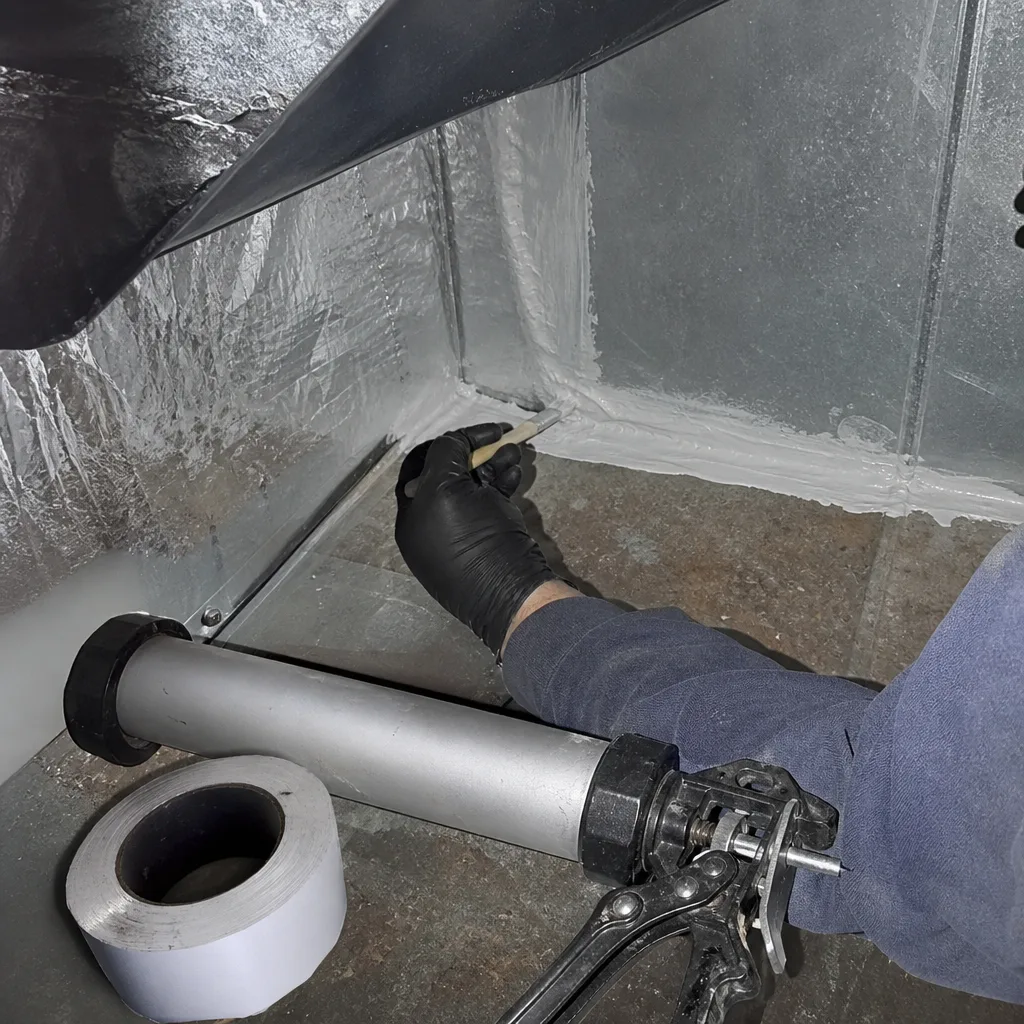
 Whole-home duct cleaning
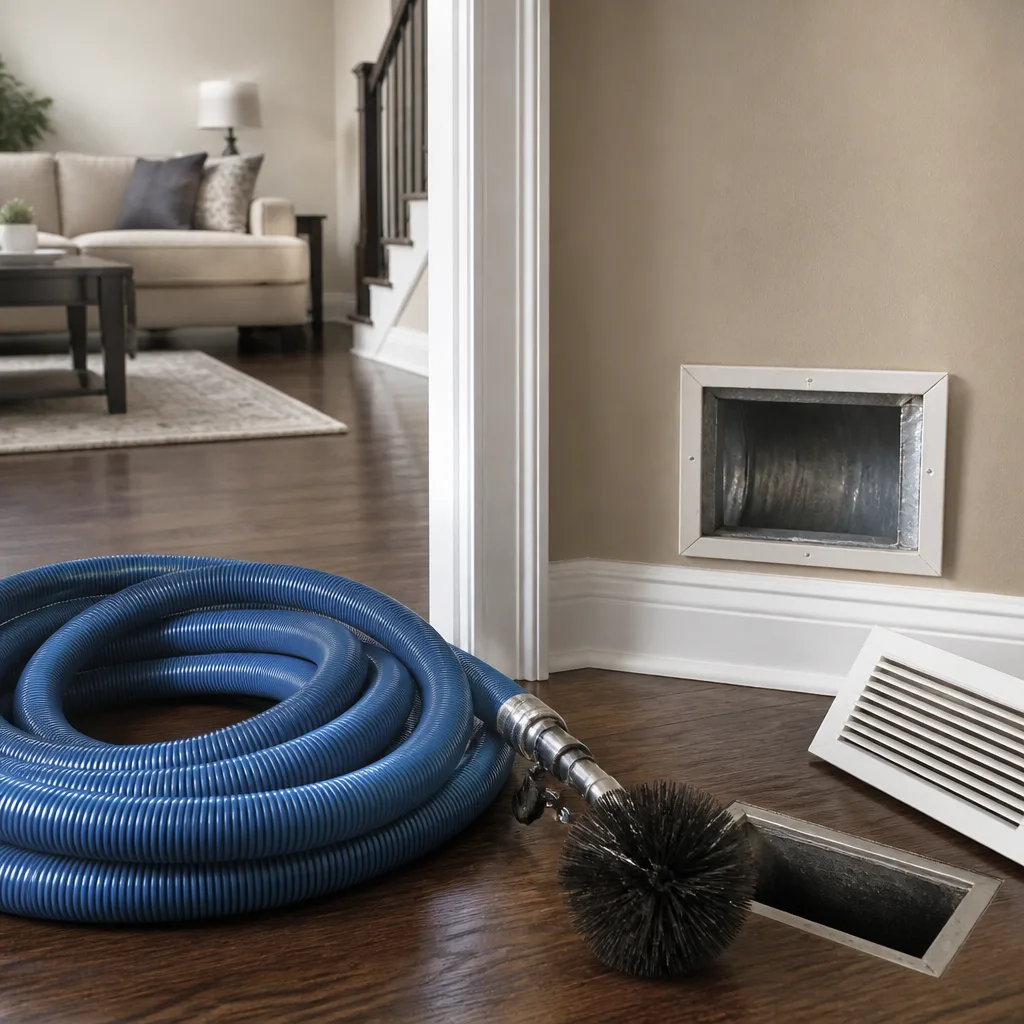
 Dryer vent cleaning
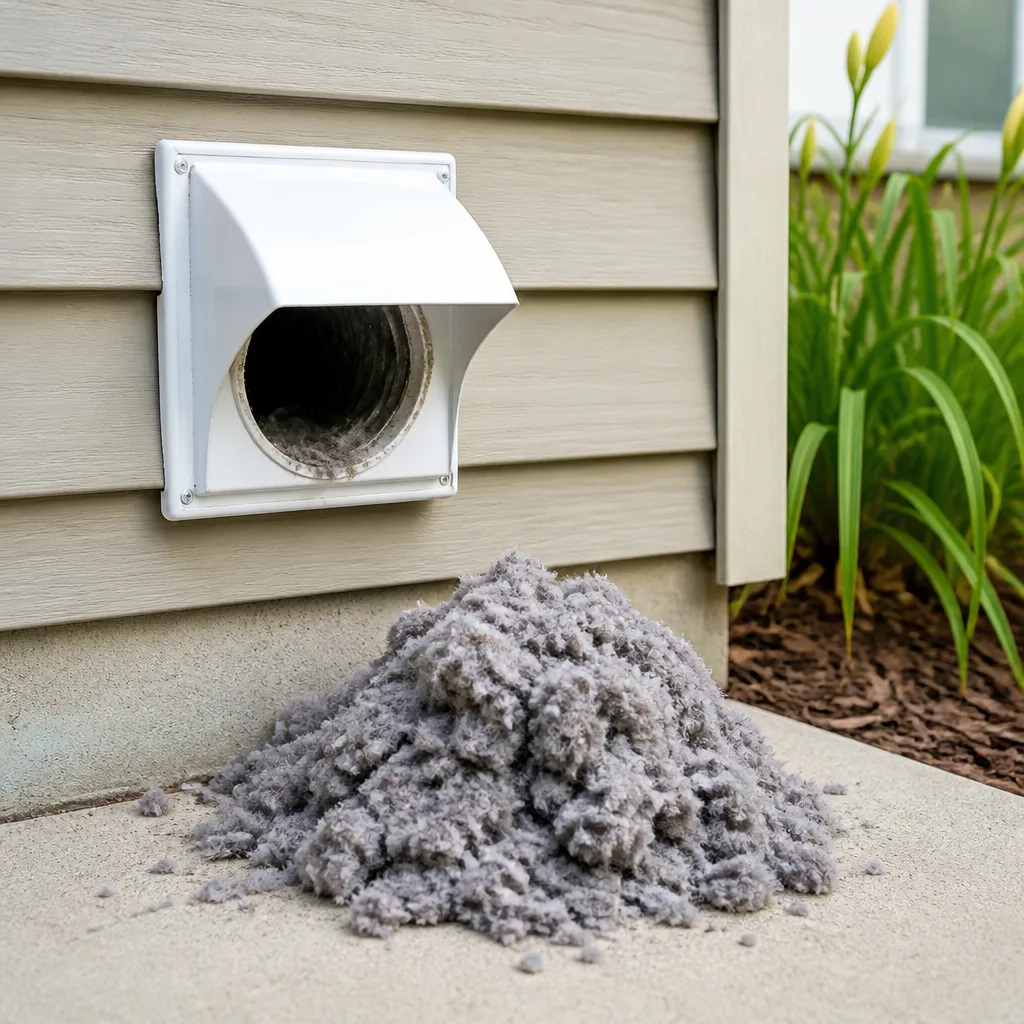
 Camera inspection
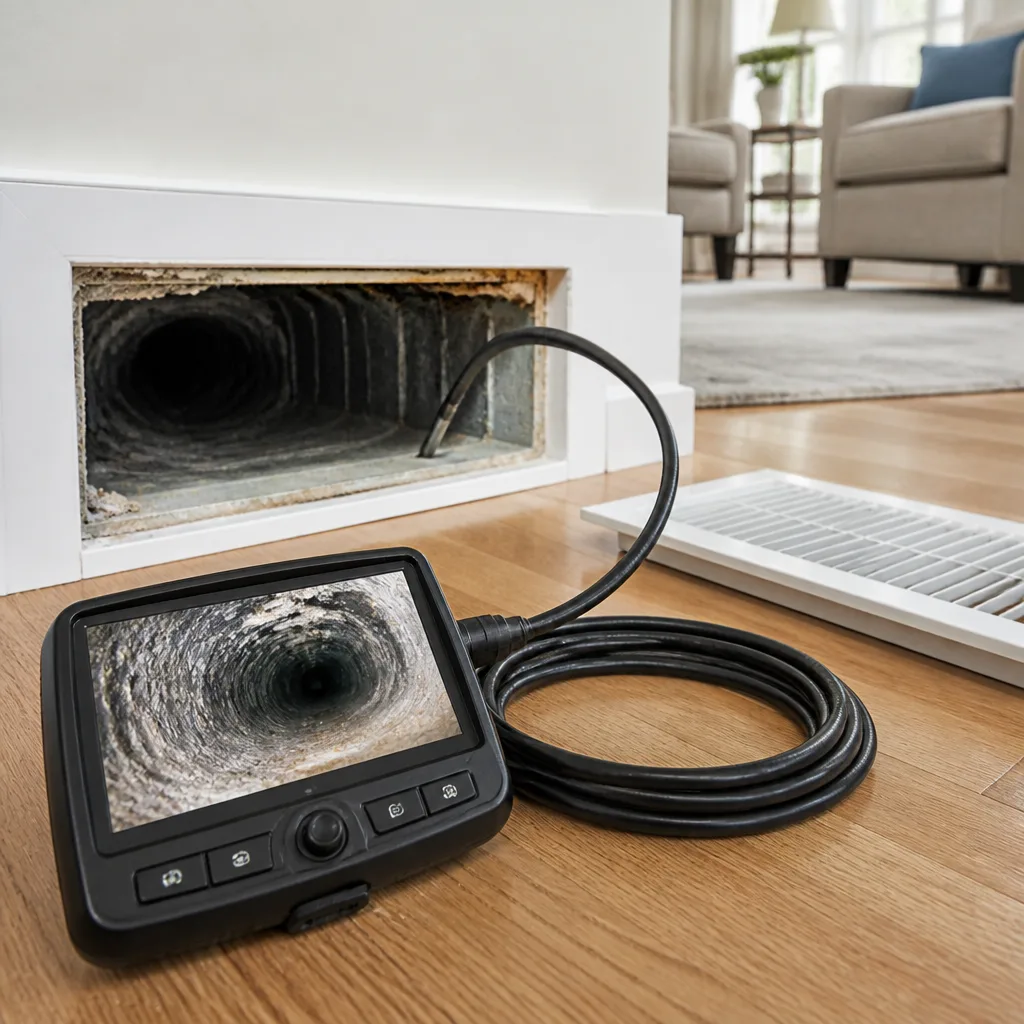
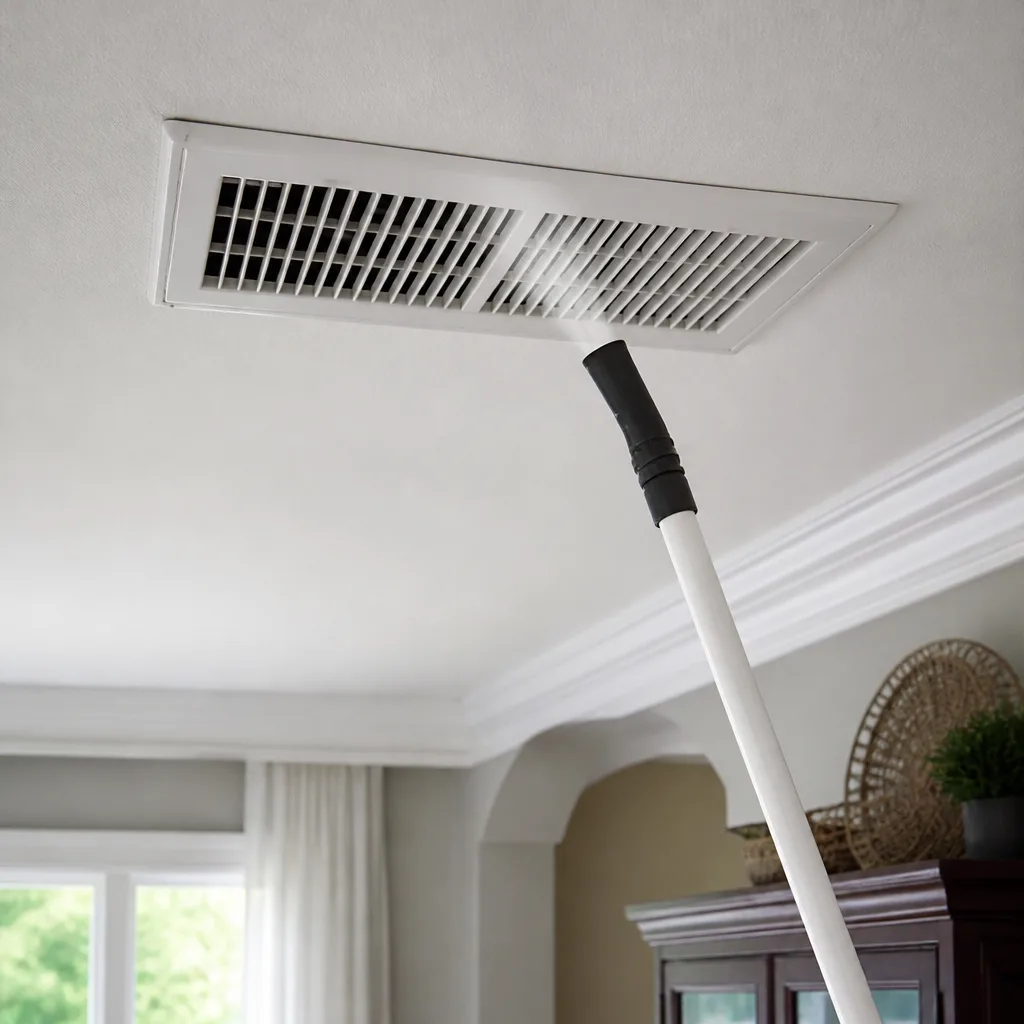 Sanitizing & deodorizing
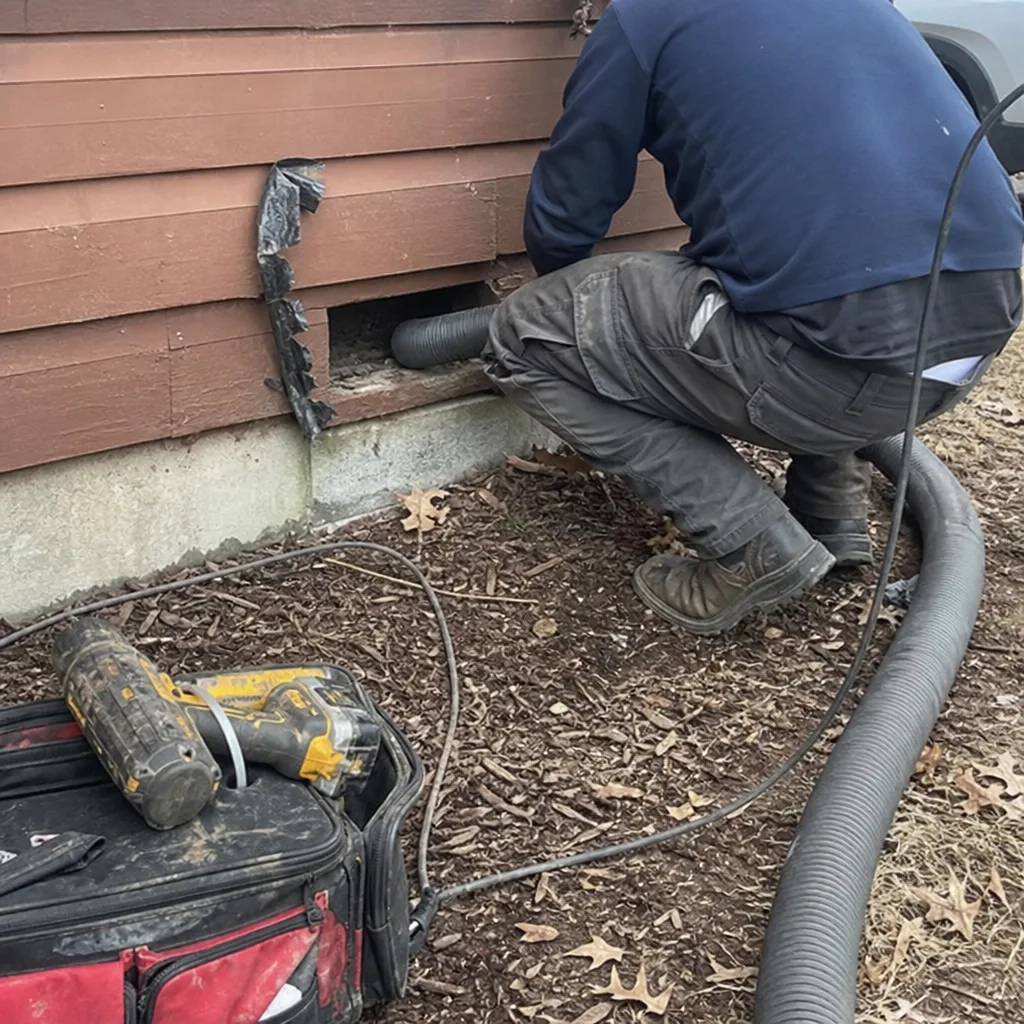
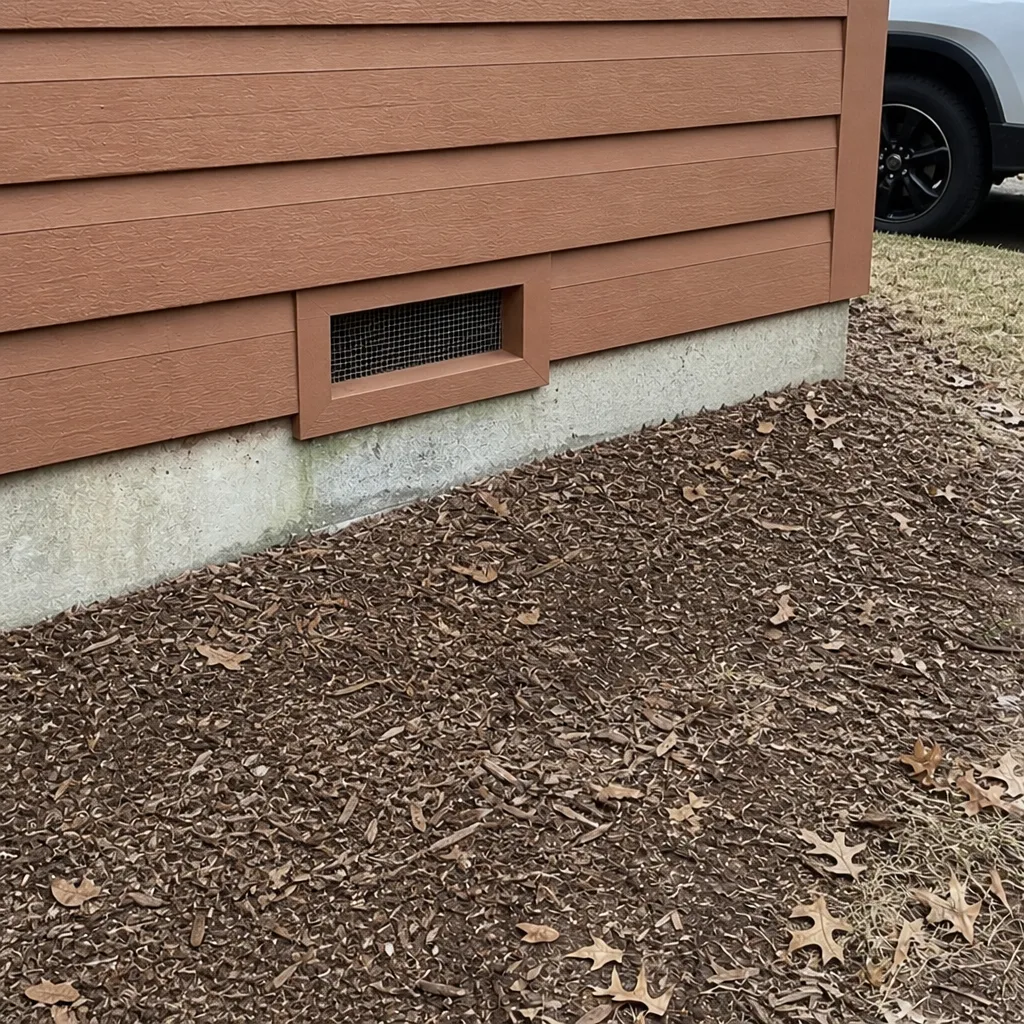
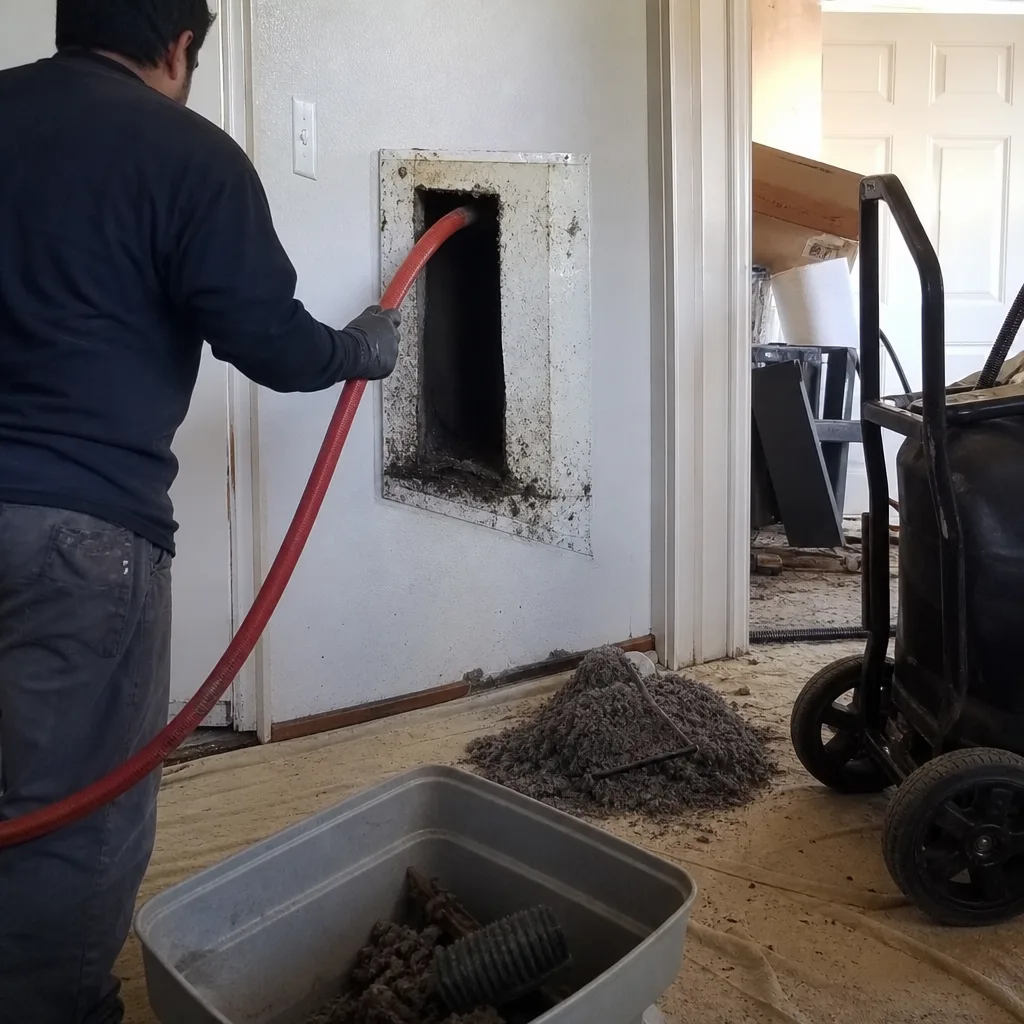
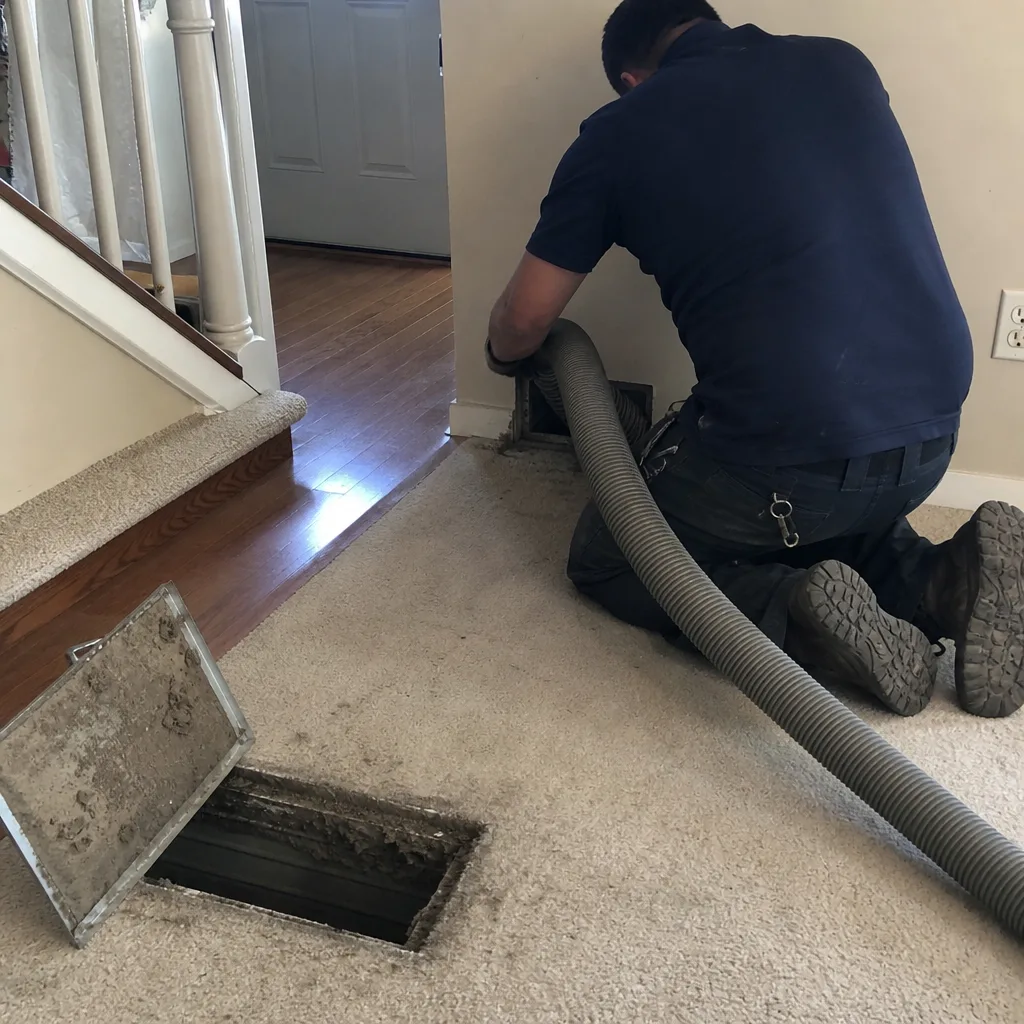
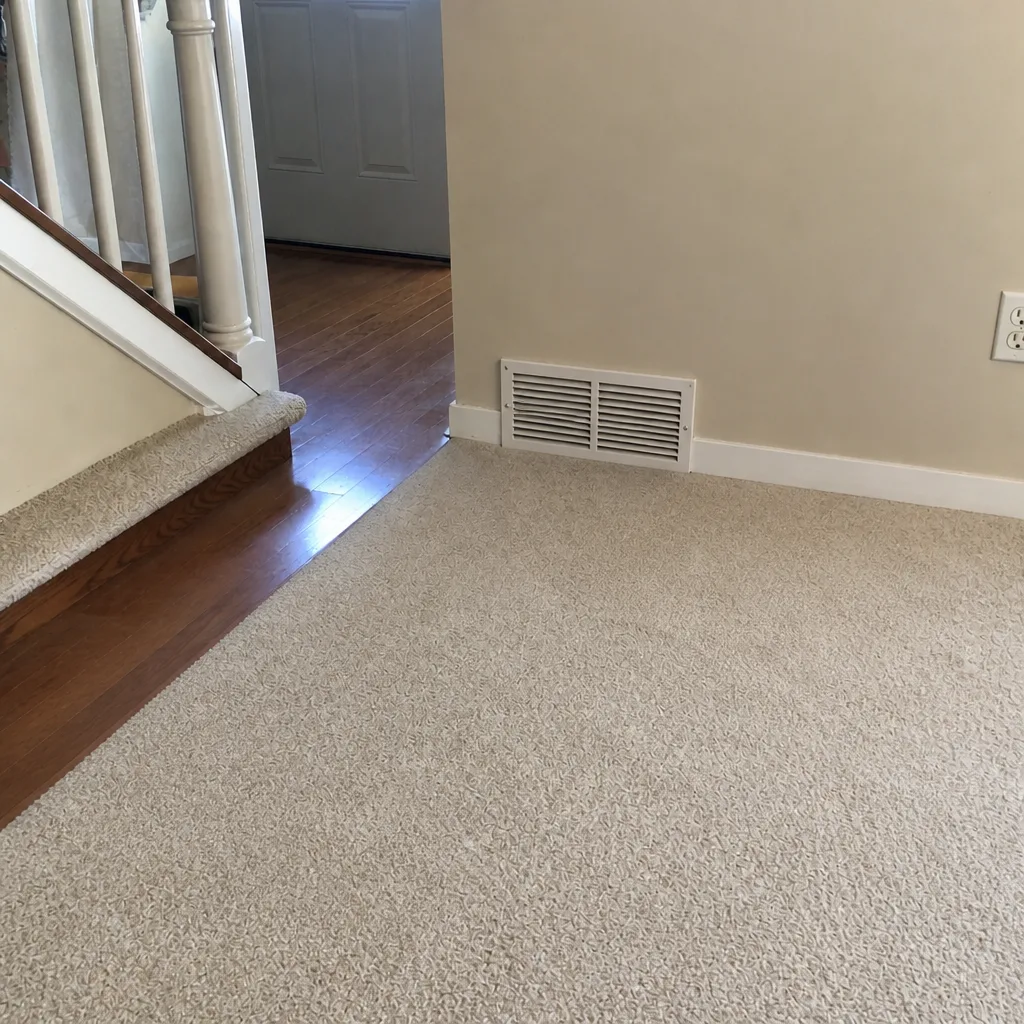
Whole-system duct and dryer vent check with before-and-after photos - you see exactly what came out of your vents
That "$99 whole-house special" is a bait ad - the real number appears once they are in your hallway, or the "clean" is a shop-vac at the register. We photograph the inside of your ducts before and after instead.
Air Duct Cleaning Permits, Codes & Inspections in West Jordan, UT: What You Need to Know
Most homeowners assume duct cleaning lives outside the building code. Fair assumption, and mostly correct – a standard vacuum-out of an existing duct system usually needs no permit in West Jordan. But the line moves the moment a technician cuts a new access panel, replaces a section of duct, or disconnects the air handler to get at it. That work is mechanical work, and Utah’s residential code governs it. Most people never learn where the boundary sits until a home sale stalls at the inspection table. This guide maps the line: what the code covers, when a cleaning job becomes a permitted alteration, who has jurisdiction in West Jordan, and the questions to ask before anyone picks up a saw.
Quick Answer
Air duct cleaning by itself is not a permitted activity in West Jordan, UT. The cleaning and sanitizing of an existing, unmodified duct system falls under routine maintenance and needs no building permit. Permits become relevant only when the scope includes new access cuts into ductwork, duct replacement or relocation, or disconnection and reconnection of the air handler or other mechanical equipment. When that happens, the work falls under Utah Residential Code Section M1601 and is administered through the local building department, and it should be inspected.
Styles & brands we work with
- Whole-home duct cleaning
- Dryer vent cleaning
- Camera inspection
- Sanitizing & deodorizing
Table of Contents
- What Does Utah Residential Code Section M1601 Actually Govern?
- When Does Duct Cleaning Cross Into Permit-Required Work?
- Who Has Jurisdiction Over HVAC-Adjacent Work in West Jordan?
- The Access Panel Question: Cutting Into Ductwork Safely and Legally
- Why Unpermitted Duct Modifications Can Derail a Utah Home Sale
- What an Inspection of Duct and HVAC Work Actually Looks At
- What to Ask a Contractor Before Work Begins
- How to Document Remediation Properly
What Does Utah Residential Code Section M1601 Actually Govern?
Utah Residential Code Section M1601 is the chapter that governs duct systems in one- and two-family dwellings. It is not a cleaning standard. It’s a construction standard, and it speaks to the things that make a duct system safe and functional as a permanent part of the house: what the duct is made of, how it’s supported, how sections join, how it’s sealed, and how it terminates. When a technician repairs or replaces ductwork during a cleaning job in West Jordan, M1601 is the rulebook that applies to the new material and the new connections.
What that means in practice is that the code cares about a few things homeowners rarely think about:
- Duct material and ratings. Ducts must be listed and labeled for the application. Flexible duct, rigid metal, and duct board each carry their own requirements, and a repair has to match the system it’s going into rather than whatever happens to be on hand.
- Support and sag. Flexible duct must be supported so it doesn’t sag between hangers, because a sagging run restricts airflow and collects dust. A repair that leaves a low spot in the run is a repair that will fail again.
- Joints and connections. Every joint has to be mechanically fastened and sealed. A duct that leaks at a connection loses conditioned air into a crawlspace or attic instead of delivering it to the room.
- Terminations and clearances. Where a duct passes through a wall, floor, or ceiling assembly, the code addresses clearance to combustible material and how the penetration is closed. This matters in West Jordan’s housing stock, where a lot of homes have ductwork running through unconditioned attic space.
None of this is exotic. It’s the same set of rules a mechanical contractor works under on a new build. The point for our purposes is that the moment a repair or modification happens, the job is no longer purely a cleaning job – it’s a code-governed alteration, and the standards change with it.
When Does Duct Cleaning Cross Into Permit-Required Work?
This is the question that matters most, and the answer is usually clearer than homeowners expect. Cleaning an existing system – even aggressively, with rotary brush equipment and negative pressure – does not require a permit. Modifying that system does. Here’s where the line typically sits:
Work that generally does not require a permit
- Cleaning the interior of existing ductwork from the return to the register
- Replacing or removing supply and return grilles where the opening size stays the same
- Sanitizing or fogging the duct interior after cleaning
- Cleaning the blower, coils, and air handler without disconnecting the duct system
- Dryer vent cleaning, which is a separate system and a separate maintenance task
Work that usually does require a permit
- Cutting a new access opening into rigid ductwork or a plenum to reach a hidden section
- Replacing a length of duct, a trunk line, or a run to a register
- Rerouting ductwork to improve airflow or fix a design problem
- Disconnecting and reconnecting the air handler, plenum, or a major connection at the equipment
- Changing the size or number of supply or return runs
The access panel is the one that catches people. Sometimes the only way to clean a hidden run or reach a problem area is to cut an opening – and depending on how it’s done and where it is, that cut can turn a maintenance visit into an alteration. In our experience, this is where honest scope conversations matter most. A contractor who intends to cut new openings should say so before the work starts, not after, and should be willing to explain whether that cut falls under a permit in your jurisdiction. A reputable technician doing routine air duct cleaning will finish the job without modifying the system at all. If the system can’t be cleaned without modification, that’s information the homeowner deserves up front.
Who Has Jurisdiction Over HVAC-Adjacent Work in West Jordan?
West Jordan sits within Salt Lake County, and mechanical permits for residential work are administered through the City of West Jordan’s building department, with Salt Lake County and the state’s uniform code framework layered on top. In plain terms: the city issues the permit and sends the inspector, and the code they inspect against is the adopted Utah Residential Code, which incorporates Section M1601. If you’re ever unsure which office to call, start with the City of West Jordan building department and describe the work. They will tell you whether a permit is required for that specific scope.
A few things we’ve learned about how this plays out in West Jordan:
- Call before the work, not after. Once a cut is made or a duct is replaced, getting the permit after the fact is a far more complicated process than pulling it beforehand.
- Describe the scope precisely. “Duct cleaning” and “duct repair” get different answers. Tell the department exactly what will be changed, where, and why.
- Keep the answer. If the department tells you no permit is needed, write down the date, the person’s name, and what they said. That record is worth keeping with the home’s paperwork.
- Understand the inspection sequence. Permit-required duct work typically has to be inspected at certain stages – rough-in before the system is closed up, and final after it’s complete and running. A contractor who doesn’t know the sequence is a contractor who doesn’t pull many permits.
West Jordan has grown quickly, and the housing stock reflects it. You’ll find mid-century homes in the older core, 1990s and 2000s production housing throughout much of the city, and newer construction on the western side toward the Oquirrh foothills. Each era carries its own duct materials and its own quirks – flex duct in attic runs, older rigid systems in the established neighborhoods, and equipment that’s been added or replaced along the way. The permit picture is the same code across all of them, but what you find when you open the system varies quite a bit by neighborhood.
The Access Panel Question: Cutting Into Ductwork Safely and Legally
Access is the single most practical part of this whole subject, and the part homeowners understand least. To clean a duct system thoroughly, some sections have to be reached. A well-designed system may have enough existing openings – return grilles, supply registers, or a service panel at the air handler – to do the job without a single new cut. Many West Jordan homes don’t, particularly where returns were run through tight chases or where an addition was tied into the original system years ago.
When new access is unavoidable, the work has to be done properly, and there’s a right way and a wrong way to do it. A clean, properly sized opening with a sealed, removable cover is one thing. An unsealed hole covered with tape or foil-faced board is another, and that one can leak, whistle, and fail inspection. It can also void whatever coverage the homeowner has on the modification.
Questions worth asking before any cut is made:
- Do you need to cut new access, or can you clean everything through existing openings?
- If a new opening is cut, how will it be sealed when you’re finished?
- Does this cut fall under a permit in West Jordan, and who’s pulling it if so?
- Will the repair meet Utah Residential Code Section M1601 for support, sealing, and connection?
- Will the opening be photographed and documented before it’s closed?
The professional-grade approach we take uses rotary brush and negative-pressure systems – Rotobrush and Nikro equipment – designed to work through existing openings wherever possible and to capture the debris while it’s dislodged. Our technicians have up to 11 years of experience with that kind of equipment, and that experience is what tells them when a job can be done without modification. Full HVAC cleaning work that reaches the coils, blower, and air handler is also handled without altering the duct system itself wherever the design allows. When it doesn’t, the scope change gets explained before anything is cut.
Why Unpermitted Duct Modifications Can Derail a Utah Home Sale
Here’s the part that gets people’s attention. Homeowner’s insurance policies routinely contain clauses that exclude coverage for damage arising from work that wasn’t permitted or inspected where a permit was required. That’s not a scare tactic, it’s standard policy language, and most people never read it until there’s a claim. If a duct modification was done without a required permit and it later causes water damage from condensation, or contributes to a fire, or fails in a way that damages the structure, the insurer can point to that unpermitted work and deny the claim.
On top of the insurance question, unpermitted modifications show up at the wrong time: the home sale. In Utah, the seller’s property disclosure asks about alterations and whether permits were obtained. A buyer’s inspector who spots a duct repair with no record of a permit will flag it, and that flag delays or kills closings far more often than the repair itself deserves. A $400 duct repair without a paper trail can hold up a six-figure transaction for weeks while everyone sorts out what was done, when, and by whom.
What actually protects you is documentation, and it’s simple to gather:
- Permit and inspection records. If the work was permitted, keep the permit number and the final inspection sign-off with the home’s records.
- Before-and-after photos. Photographs of the duct interior before cleaning and after, and photos of any new access opening before and after the cover is sealed.
- Written scope. A plain description of what was done: sections cleaned, repairs made, access points cut, sealing applied.
- Equipment and materials record. The equipment used and any sealing or sanitizing materials applied, including brand names where they’re relevant.
We build before-and-after photos into our process because the user deserves to see what their ductwork looked like and what it looked like afterward – and because that record is worth something when a home changes hands in West Jordan or anywhere else in Salt Lake County. A homeowner who can hand a buyer a folder of photos and a written scope is in a very different position than one who can only say “a guy came out a few years ago.”
What an Inspection of Duct and HVAC Work Actually Looks At
If your work did require a permit, it will be inspected, and it helps to know what the inspector is looking for. This isn’t a mysterious process. It’s a visual verification that the installed work matches the code and the approved plans. For duct and HVAC-adjacent work, the inspection generally covers:
- Materials. That duct material is listed and labeled, and that it matches what the system and the permit call for.
- Support. That runs are supported per code, with no sagging sections or unsupported spans.
- Sealing and fastening. That joints are mechanically fastened and sealed, and that access openings have proper covers.
- Clearances and penetrations. That ducts have the required clearance to combustible materials and that wall, floor, and ceiling penetrations are properly closed.
- Air handler connections. Where equipment was disconnected and reconnected, that the connections are correct and secure.
- Termination and operation. That the system terminates where it should and runs as intended at the final inspection.
Rough-in inspections happen before the system is closed up. Final inspections happen after the work is complete and the equipment is running. A contractor who pulls permits regularly knows this sequence and schedules around it. One who doesn’t will often be surprised by the process, which is one reason some skip the permit entirely. For the homeowner, the inspection is a free verification that the work was done to code, and it’s worth insisting on. It’s also a chance to ask the inspector about anything you don’t understand – they see this work every day and are usually happy to explain what they’re looking at.
What to Ask a Contractor Before Work Begins
The best way to sidestep every problem in this guide is a short conversation before anyone starts. A contractor who knows the code and the local jurisdiction will answer these questions directly. One who gets cagey about access cuts or permits is telling you something.
- “Will the work include new cuts into the ductwork?” If the answer is yes, ask exactly where and why, and whether the cut falls under a permit.
- “Is the scope purely cleaning, or does it include repair?” Repair and modification change the regulatory picture, and you want that stated up front.
- “If a permit is required, who pulls it?” The responsible party should be clear, and it should be in writing.
- “How will new access openings be sealed?” Ask to see the cover and the sealing method, and make sure it’s documented in photos.
- “Will I get before-and-after photos of the duct interior?” This is your evidence that the work was actually done, and it’s worth asking for on any dryer vent cleaning visit too, since that system has its own fire-safety stakes.
- “What equipment are you using?” Professional rotary brush and negative-pressure systems – Rotobrush and Nikro are the recognized names – tell you the work is being done with real equipment rather than a shop vacuum.
- “Does the scope cover the air handler, coils, and blower?” Your ducts are part of your HVAC system, and cleaning the ducts while leaving a dirty blower and coil behind is half a job.
We work with Honeywell, Aprilaire, and Abatement Technologies products on the filtration and air-treatment side, which means our technicians understand the whole system, not just the ducts. That understanding is what makes these conversations straightforward. If a job needs a permit, we say so before the first cut, not after. The local professionals we connect homeowners with are licensed and insured as their state requires, and any permit-required work is scoped and disclosed in writing.
How to Document Remediation Properly
Whether or not a permit was involved, documentation of duct work pays off later, and the collector should be you rather than the contractor. Set up a folder for the home – paper or digital, either works – and put everything duct-related in it. When you sell, when you file an insurance claim, or when you need the next technician to understand what was done before, that folder is the first thing you’ll reach for.
What to include:
- The written estimate and final invoice with the scope spelled out – sections cleaned, repairs made, access points cut.
- The permit number and inspection sign-off if the work was permitted, along with the date the inspection passed.
- Before-and-after photographs of the duct interior and any access work.
- A record of the products used – the sanitizing solution, sealing materials, and any filtration or air-treatment components added, with brand names.
- The equipment used for the cleaning, since that tells a future buyer’s inspector the work was done with professional-grade rotary brush and negative-pressure systems rather than a vacuum.
- Your notes on the permit question – the date you called the city, who you spoke to, and what they told you. If the answer was “no permit required,” that note is the documentation.
This is the routine we recommend to every homeowner in West Jordan who has significant duct work done. It takes five minutes to start and saves hours of confusion later. When the work is being done as part of a sale, a pre-listing repair, or an insurance claim, the folder is close to essential – and it’s the difference between a smooth close and a frustrating one.
Common Mistakes to Avoid
- Assuming all duct work needs a permit, or none does. Cleaning usually doesn’t; modification usually does. The scope decides, and the city building department will tell you which side you’re on if you call and ask.
- Letting a technician cut access without asking about it first. If new openings are needed, you should know before the saw comes out. A contractor who cuts first and explains later has taken the decision out of your hands.
- Accepting a verbal “no permit needed” as the end of the conversation. Get the date, the name, and the answer in writing. A note in the home folder is cheap insurance against a future question.
- Treating the access panel as a cosmetic issue. A poorly sealed opening whistles, leaks conditioned air, and fails inspection. It’s a mechanical component, not a patch.
- Skipping the record-keeping on a sale. If you’re selling a West Jordan home and the ductwork was modified at any point, gather the documentation before the listing goes live, not after the buyer’s inspector flags it.
- Hiring on price alone and getting an undisclosed scope. The lowest quote often assumes cleaning only, then charges extra for the repair the job actually needed. A clear written scope beats a teaser price every time.
- Leaving the air handler out. A duct cleaning that leaves the blower and coils dirty hasn’t cleaned the air-delivery system. The whole system needs cleaning, or the job comes back around quickly.
See the difference
 Before
 After
 Before
 After
 Before
 After
When to Call a Professional
Some of this work is a conversation with the city. Some of it is a conversation with a technician. Reach out when you see visible dust buildup at the registers or along the duct runs, when you notice musty odors that get stronger when the system runs, or when airflow is uneven from room to room. Allergy flare-ups that track with the heating and cooling season are another signal worth investigating. If a duct repair is needed – a disconnected run, a crushed flex section, a leak at a joint – that’s a system-integrity issue, and it should be handled by someone who knows Utah Residential Code Section M1601 and can tell you whether a permit is part of the picture.
West Jordan Air Duct Cleaning Pros offers free estimates in West Jordan – call (844) 713-5742. We answer 24/7. Fast dispatch from 7am to 7pm, Sunday through Friday. The estimate sets the price per job, and if a repair moves the scope into permit territory, you’ll hear it from us before any work starts.
Frequently Asked Questions
No. Cleaning an existing, unmodified duct system is routine maintenance and does not require a building permit in West Jordan. A permit becomes relevant only if the scope includes new access cuts, duct replacement, or disconnection of the air handler or other mechanical equipment. If you’re unsure which side of the line a proposed job falls on, call the City of West Jordan building department and describe the scope exactly. Call (844) 713-5742 for an exact quote – estimates are free.
Section M1601 is the portion of the Utah Residential Code that governs duct systems in one- and two-family dwellings: duct materials and their ratings, support and sag, joint fastening and sealing, clearances, and how penetrations are closed. It matters because any duct repair or modification – not just cleaning – has to meet it, and the local building inspector verifies that work against the code. Duct cleaning itself is not governed by M1601 because cleaning doesn’t alter the system.
Sometimes, yes. Some West Jordan homes have hidden runs or tight chases where the only way to reach a section is a new access opening. When that happens, the cut is a modification, and it may fall under permit requirements depending on what’s changed and where. Ask before the work begins whether new access is needed, how the opening will be sealed afterward, and whether the cut falls under a permit. A thorough cleaning is often possible through existing openings, and a knowledgeable technician will tell you which situation you’re in.
Usually because the scope is smaller than the job requires. A low quote often assumes cleaning only, then adds charges for the repair the system actually needed, which is how the industry earned its bait-and-switch reputation. Ask for the written scope before you compare prices: which sections will be cleaned, whether the air handler, blower, and coils are included, whether any repair is part of the job, and what equipment will be used. Professional rotary brush and negative-pressure systems – Rotobrush and Nikro among them – cost more to run than a shop vacuum, and that shows up in the honest price. Call (844) 713-5742 for an exact quote – estimates are free.
Ask for before-and-after photos of your own duct interior, not stock images. Photographs taken inside your system before and after cleaning are the clearest evidence of the work, and they also serve as documentation if you ever sell the home or file an insurance claim. Ask for a written scope alongside the photos, listing sections cleaned, repairs made, and any access points cut and sealed. Call (844) 713-5742 for an exact quote – estimates are free.
Most homes don’t need it on a calendar schedule. Visible dust buildup at the registers, musty odors when the system runs, uneven airflow, or allergy symptoms that track with the heating and cooling season are the signals worth acting on. West Jordan’s dry, dusty summers push more particulate into return air than a humid climate would, which can mean shorter intervals for homes near the Oquirrh foothills or on lots with exposed soil. When in doubt, an inspection costs nothing to ask for. Call (844) 713-5742 for an exact quote – estimates are free.
The Bottom Line
Air duct cleaning itself is not a permitted activity in West Jordan – but repair, access cuts, and air handler work are mechanical work that falls under Utah Residential Code Section M1601 and is administered through the City of West Jordan building department. The permit question turns entirely on scope, so get the scope in writing before anything is cut. Document everything: photos, the written estimate, the permit and inspection records if they apply, the equipment and products used. That folder is worth real money when you sell, and it’s the difference between a clean insurance file and a contested claim. Unpermitted work is what hurts homeowners, not the code itself. A contractor who knows the difference will tell you which side you’re on before the first cut.
West Jordan Air Duct Cleaning Pros provides West Jordan Air Duct Cleaning Pros services across the city, from the return to the register. Call (844) 713-5742 for a free estimate. We answer 24/7. Fast dispatch from 7am to 7pm, Sunday through Friday.
Written by the team at West Jordan Air Duct Cleaning Pros.