
Last updated November 24, 2026
 Whole-home duct cleaning
 Dryer vent cleaning
 Camera inspection
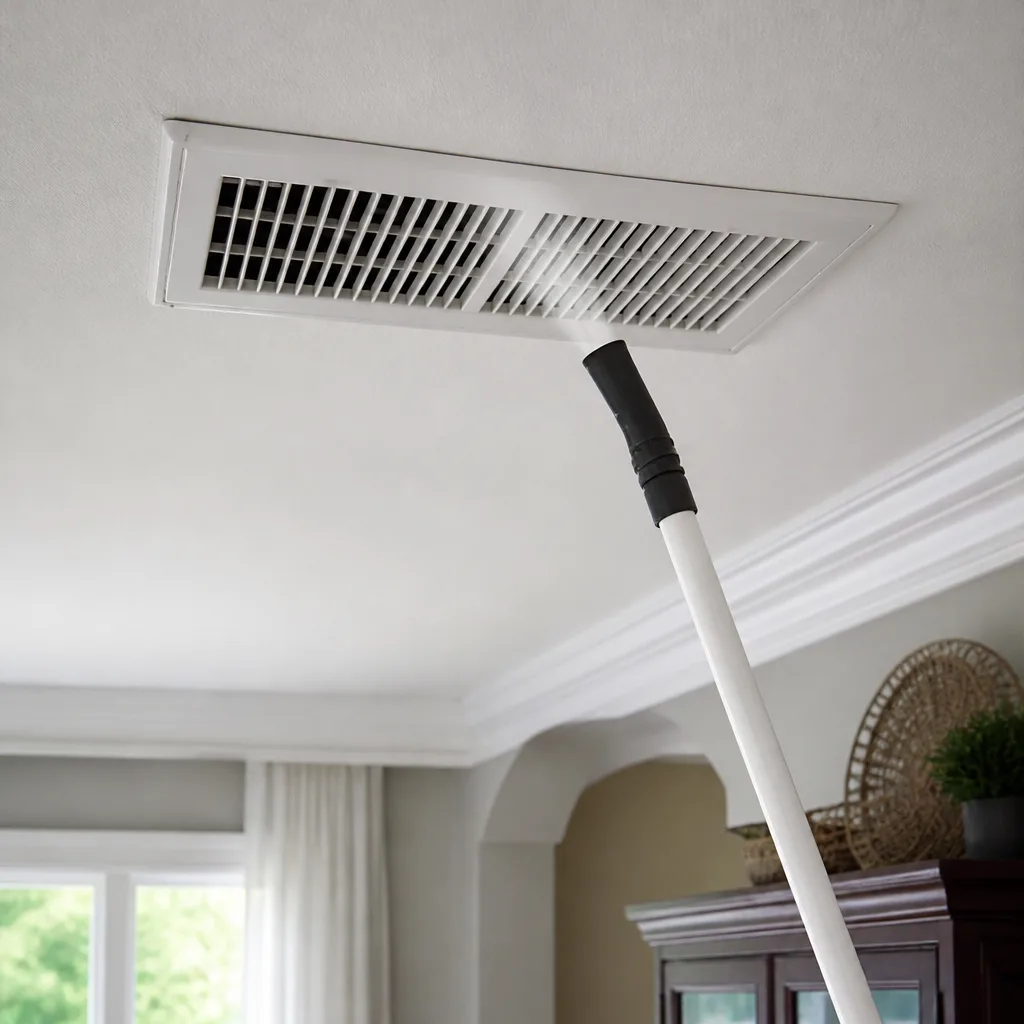 Sanitizing & deodorizing
Whole-system duct and dryer vent check with before-and-after photos - you see exactly what came out of your vents
That "$99 whole-house special" is a bait ad - the real number appears once they are in your hallway, or the "clean" is a shop-vac at the register. We photograph the inside of your ducts before and after instead.
Air Duct Cleaning Troubleshooting in West Jordan: Common Problems and How to Fix Them
If a room in your house is always a few degrees off from what you set on the thermostat, your furnace or air conditioner is probably the last place you should look. Most homeowners replace equipment trying to solve what a straightforward duct repair would have fixed. We’ve seen this pattern over and over in West Jordan, where homes run central air hard through hot summers and cold winters, and where ductwork often hides behind drywall or gets routed through unconditioned attic space. Before you call an HVAC contractor about replacement, it pays to learn how to read your own ductwork. This guide walks you through the most common duct problems, how to tell them apart, and what each one actually needs.
Quick Answer
Most airflow, dust, and odor complaints in West Jordan homes trace back to one of three things: dirty ducts, leaking or disconnected duct sections, or an undersized return path. Cleaning fixes the first, sealing and repair fix the second, and the third usually requires mechanical redesign. The right fix depends on diagnosis, not guessing, and a basic inspection with an incense stick or a look at your filter housing can point you in the right direction before you spend money.
Styles & brands we work with
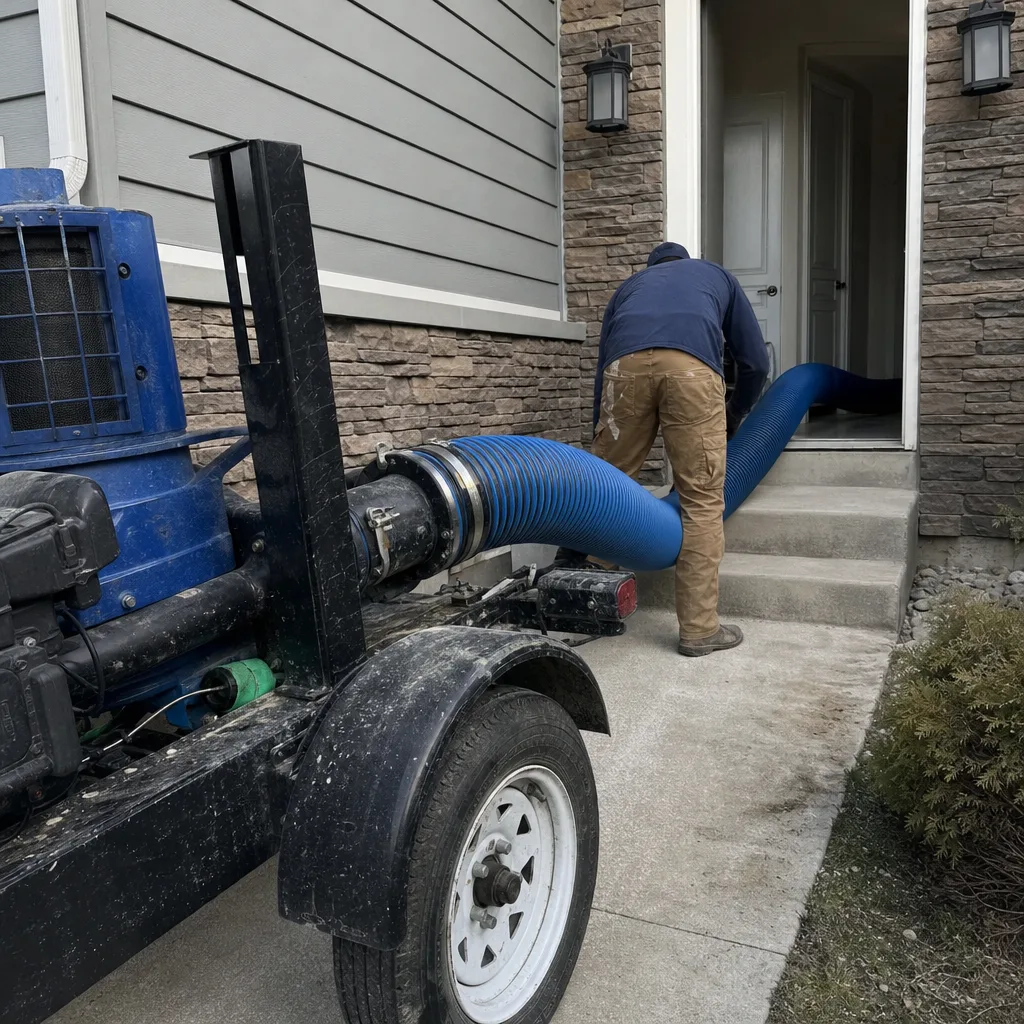
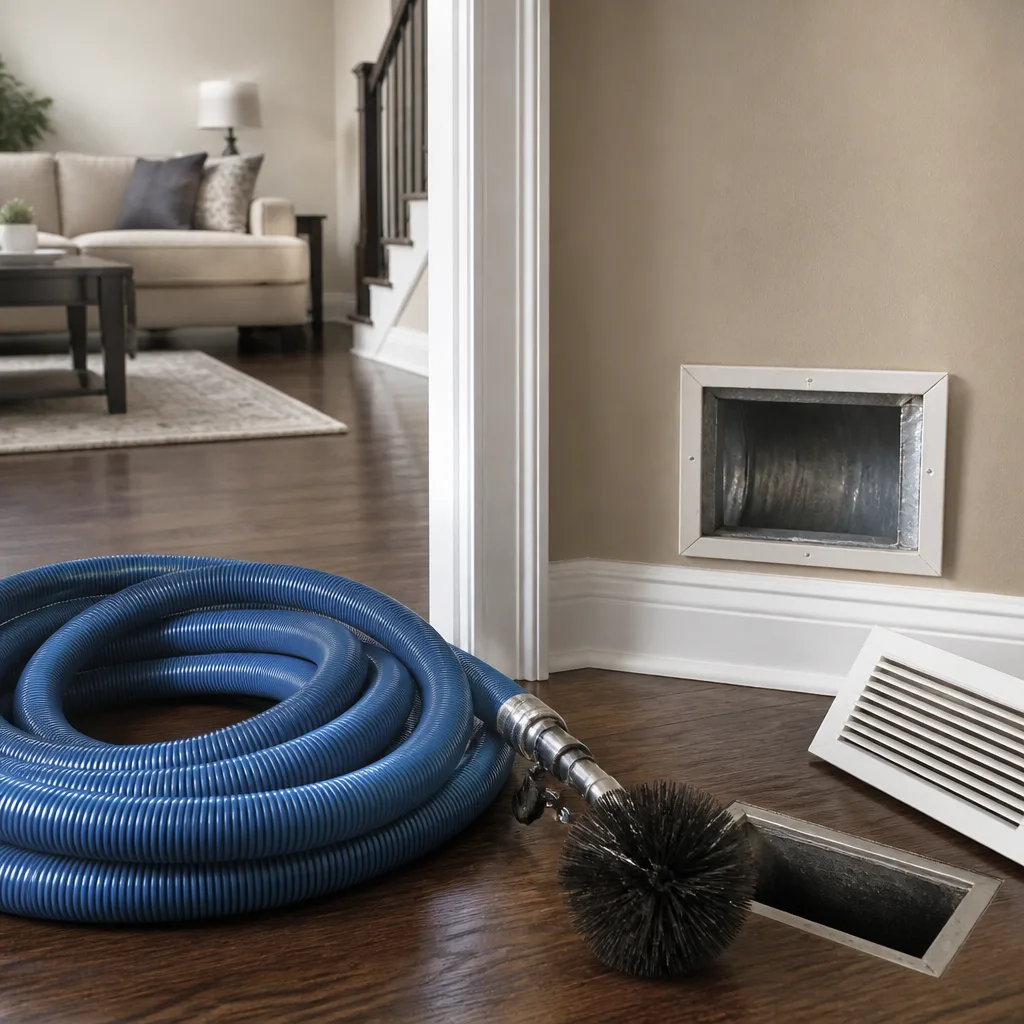
- Whole-home duct cleaning
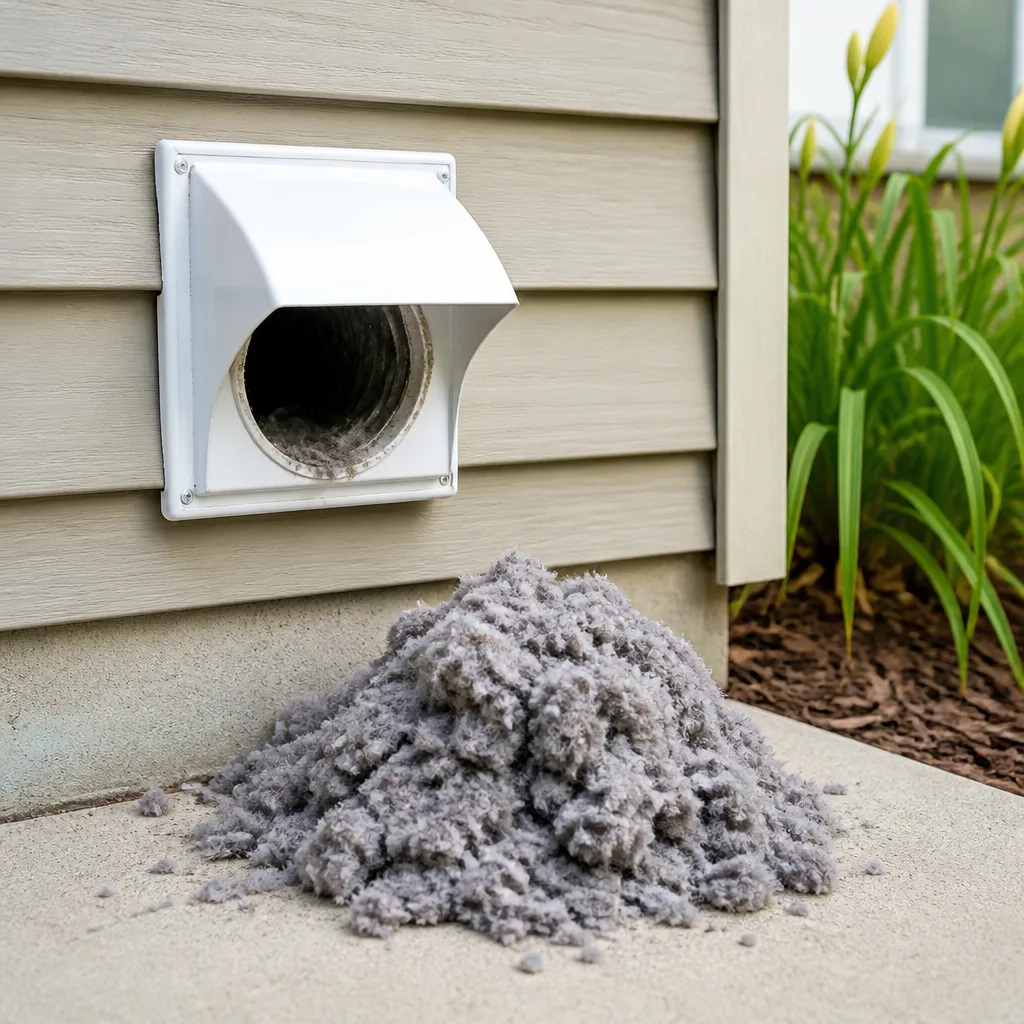
- Dryer vent cleaning
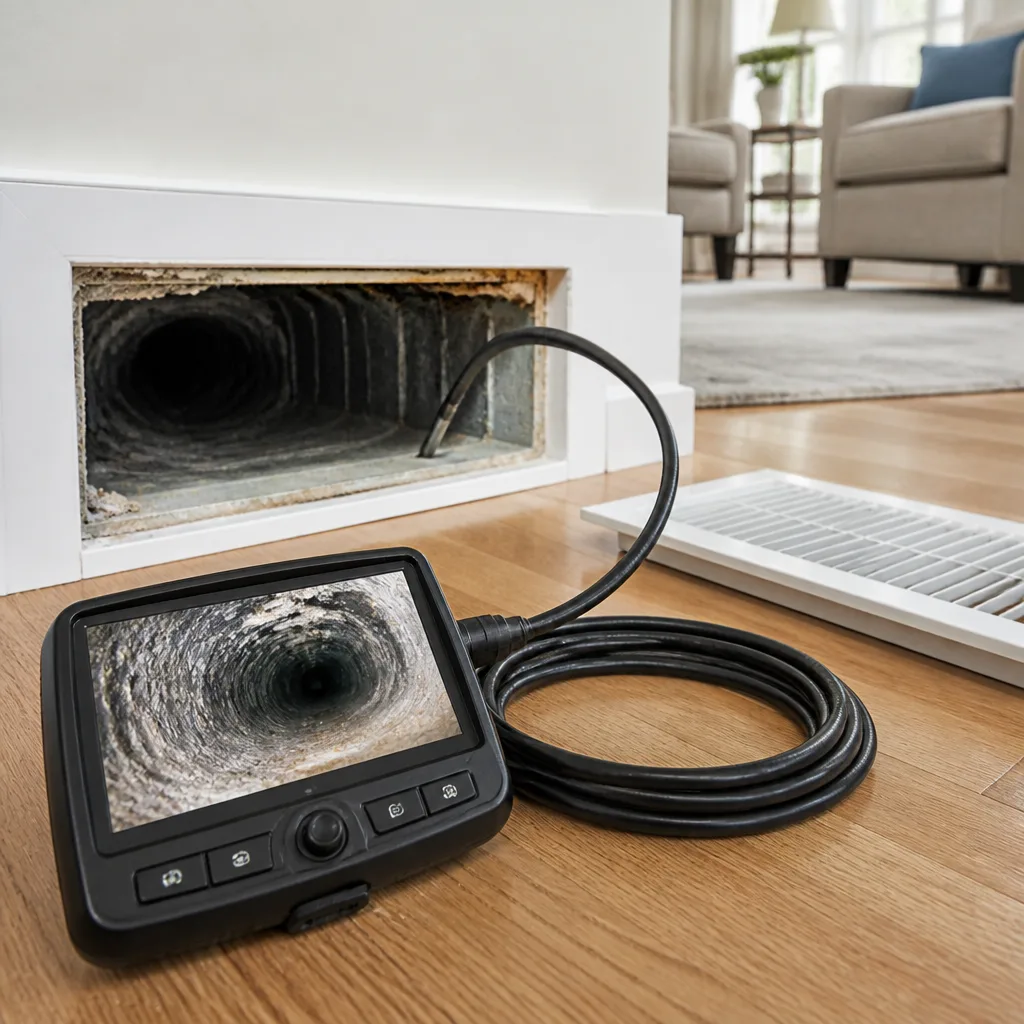
- Camera inspection
- Sanitizing & deodorizing
Table of Contents
- How do I tell dirty ducts apart from leaks or an undersized return?
- What does a musty odor after cleaning actually mean?
- How can I check for duct leaks with an incense stick?
- Why do West Jordan ducts collect so much fine dust?
- What causes filter bypass and what does it do to my ducts?
- When does a duct problem mean cleaning, sealing, repair, or replacement?
- Should I treat dryer vent problems as part of the same service?
- Common mistakes to avoid when troubleshooting your ducts
How Do I Tell Dirty Ducts Apart From Leaks or an Undersized Return?
Dirty ducts, duct leaks, and undersized returns all produce weak airflow, but they fail differently, and mixing them up wastes money. Dirty ducts generally cut flow evenly across the whole house and get worse slowly. Leaks tend to be room-specific and can show up as hot and cold spots. An undersized return is an airflow problem at the source: the system can’t pull in enough air to push back out, so every register suffers.
Here’s how to sort them:
- Dirty ducts: Dust accumulates slowly. Filters clog ahead of schedule. Grilles show visible dust within weeks of cleaning. Registers in every room feel weak rather than just one.
- Duct leaks: One or two rooms are much worse than the rest. You hear hissing or whistling at joints. The furnace runs longer than it should. A room next to the supply plenum loses air to a joint you can reach.
- Undersized return: The blower sounds labored. Airflow at the return grille feels weak even right after a filter change. Filters collapse or get pulled into the housing. Every supply register is weak, not just one.
The distinction matters more in West Jordan because attics and crawl spaces here see big temperature swings. A disconnected flex run in a summer-heated attic dumps cool air into insulation, and that register stays warm all season. Walking through your house and comparing airflow room by room is often the fastest diagnostic step you can take.
What Does a Musty Odor After Cleaning Actually Mean?
A musty smell that returns within days of a cleaning usually means moisture is feeding microbial growth behind the duct liner or on the coil, not that the cleaning was shallow. Re-cleaning alone won’t fix it. The source has to be treated.
We separate duct odor into a few categories:
- Surface debris smell. Dust and organic material in the plenum and ducts, especially near the air handler. Cleaning removes it, and the smell is gone.
- Liner contamination. Insulated flex duct or interior duct board can absorb moisture and support growth inside the lining itself. The liner has to be cleaned and sanitized, or the affected run replaced.
- Coil and drain pan growth. The A-coil and condensate pan stay wet through the cooling season. If the pan doesn’t drain, growth blooms and the blower pushes that smell through every room.
- Dead animal or pest intrusion. Odor is localized, sharp, and often paired with a return-side hotspot. This needs removal, not just sanitizing.
After we clean a duct system in West Jordan, we recommend a sanitizing step with Guardsman or Abatement Technologies solutions when the diagnosis points to microbial growth. That’s not an upsell tacked onto a cleaning; it’s a different treatment that addresses contamination the brush can’t remove. If your ducts smell musty again two weeks after cleaning, ask for the liner and coil to be inspected before you pay for another cleaning pass. Learn more on our air duct cleaning page about what a full clean includes.
How Can I Check For Duct Leaks With an Incense Stick?
You can find many duct leaks with a lit incense stick, a flashlight, and about ten minutes. This isn’t a substitute for a professional pressure test, but it will tell you whether you’re dealing with a leak problem before you call anyone.
- Change the filter first. A clogged filter mimics a leak by starving the blower.
- Turn the system on fan-only mode. That circulates air through every duct without heating or cooling.
- Start at the air handler and work outward. Run the incense along every seam, joint, collar, and takeoff you can reach.
- Watch the smoke. Where smoke is pulled toward a seam or pushed away, you’ve found a leak.
- Check the filter slot and door gaskets too. Air pulled in around a poorly sealed filter door bypasses your filter entirely.
- Note the register seams in the rooms that feel weak. Smoke behavior there tells you whether the problem is at the boot, the register, or further back.
If the smoke flutters at half a dozen spots, you’re looking at a duct sealing job, not a duct cleaning job. If it stays steady everywhere, the problem is more likely upstream: a dirty system, an undersized return, or a blower that’s underperforming. In our experience, most West Jordan attics have at least one flex run with a joint that’s worked loose, and a technician will find several more with a pressure gauge.
Why Do West Jordan Ducts Collect So Much Fine Dust?
The dust in West Jordan is finer and harder on duct systems than what most homeowners expect. This is high desert country, and the air carries a lot of fine silica particulate from dry lakebed, construction, and wind-blown soil. That material behaves differently from humid-climate dust.
Here’s what it does inside your ductwork:
- Fine particles stay airborne longer. Larger dust falls out of the airstream in the return trunk. Silica dust rides all the way to the filter, so more of it passes through a marginal filter rather than settling earlier.
- Filter bypass becomes a real problem. A gap around the filter (even a quarter-inch) lets that fine dust go straight onto the blower and coil. In humid climates, dust sticks to wet coil surfaces. Here, dry dust coats the coil and the blower wheel like flour.
- Duct liner degrades faster. Insulated duct liner and flex duct interior surfaces abrade against fine silica over time. A liner that would last years in a milder climate can start shedding particles sooner here.
- Filtration matters more. Because particles are so fine, the MERV rating and fit of the filter matters more in West Jordan than in wetter places.
This is one reason we build filtration into the diagnosis rather than treating cleaning as a standalone fix. We work with Honeywell and Aprilaire filtration products, and we can help you size a filter to the system instead of cramming in whatever the hardware store has on the shelf.
What Causes Filter Bypass and What Does It Do?
Filter bypass happens when air goes around the filter instead of through it. It’s one of the most common and most overlooked duct problems we find in West Jordan homes, and it’s the reason some ducts are dirtier than the family inside them would expect.
Common causes:
- Filter slot cut larger than the filter. There’s a visible gap once the filter is in place.
- Filter door not sealing. The panel is loose, cracked, or missing a gasket.
- Undersized filter for a large system. The blower pulls too hard and bows the filter out of its slot.
- Wrong filter thickness. A 1-inch filter in a slot built for a 4-inch media cabinet leaves a gap.
The consequences compound. Dust goes straight to the blower wheel, coats the evaporator coil, and deposits inside the ducts. Your filter looks halfway clean while the system gets dirtier behind it. A homeowner then assumes duct cleaning isn’t working when the real problem is the cabinet. When we clean ducts for a West Jordan home, we always check the filter slot and door while we’re there. Cleaning a system that bypasses its own filter is a job that comes back in a year.
When Does a Duct Problem Mean Cleaning, Sealing, Repair, or Replacement?
The right fix follows from a diagnosis. Here’s how we think about the four options, with rough cost tiers (regional estimates, not exact quotes, since every job is priced by written estimate):
- Clean: Dust is the problem. Airflow is even, filters clog early, visible debris on grilles. Typical target: a whole-system clean, not a per-vent menu. Cleaning won’t fix leaks or design problems.
- Seal: Leaks at joints, seams, or boots. Room-by-room airflow is uneven, or the incense test shows leaks at several spots. Sealing the accessible trunk and takeoffs is usually the highest-return fix in West Jordan attics.
- Repair: A disconnected run, crushed flex duct, torn liner, or failed boot. One room is badly served by a duct that isn’t delivering at all. Repair often costs far less than the equipment replacement homeowners default to.
- Replace a run: Liner is contaminated and can’t be cleaned, flex is crushed beyond use, or a run was undersized from install. Replacing the affected section is often cheaper than trying to salvage it. Whole-system replacement only makes sense when the trunk and layout are both failing.
We put the sequence plainly: clean, seal, repair, verify. If a cleaning is recommended but your airflow is uneven, ask for a leak check before the brush goes in. If your system passes the incense test but never satisfies the thermostat, ask about the return side. The right question names the fix.
Should I Treat Dryer Vent Problems as Part of the Same Service?
Yes. Dryer vent lint is a fire risk independent of your HVAC ducts, and it’s easy to overlook when you’re already focused on indoor air quality. The NFPA recognizes dryer vent cleaning as a fire-prevention maintenance task, and if you’re having someone out to look at your ducts anyway, it makes sense to have the dryer vent checked in the same visit.
Signs the dryer vent needs attention:
- Clothes take longer than they should to dry.
- The dryer feels hot to the touch on top or at the door.
- Lint builds up around the outside vent hood.
- You haven’t had the vent cleaned since moving in.
- The vent run goes up a wall or through a long duct path before it exits.
We offer dryer vent cleaning as a service alongside our duct services, using the same professional-grade equipment. If you’re scheduling HVAC cleaning to address the coil and blower, ask about the dryer vent on the same visit. It’s the kind of thing that gets forgotten when it’s not part of the same conversation.
Common Mistakes to Avoid
- Assuming weak airflow means a failing HVAC unit. In our experience, most of these calls turn out to be duct problems that cost a fraction of a replacement. Get a leak check and a return-side inspection before you consider new equipment.
- Paying for a second cleaning when the smell returns. Re-cleaning without diagnosing why only wastes money. Ask for the liner, coil, and condensate pan to be inspected first, and consider a sanitizing treatment with Guardsman or Abatement Technologies if growth is present.
- Skipping the filter cabinet check. A filter that bypasses its slot makes every cleaning come undone in months. The slot, gasket, and filter sizing have to be addressed as part of any duct service.
- Using a shop-vac to “clean” your own ducts. Consumer vacuums don’t have the negative pressure or rotary tooling to reach duct walls, and they stir up more fine silica dust in a West Jordan home than they remove. Professional-grade Rotobrush and Nikro systems exist because the job requires them.
- Choosing on price alone. A very low quote often means a single vacuum pass at the register, no leak check, and no filter cabinet inspection. Ask what the estimate actually covers before you commit.
- Ignoring the incense test before calling. Two minutes with a stick of incense and a flashlight can tell you whether you have a leak problem or a dust problem, and that changes the conversation you should have with whoever you call.
- Letting the dryer vent go unlooked. Lint buildup in the dryer vent is a fire-prevention concern regardless of how clean the HVAC ducts are. If you’re scheduling duct work, add the dryer vent to the same visit.
See the difference
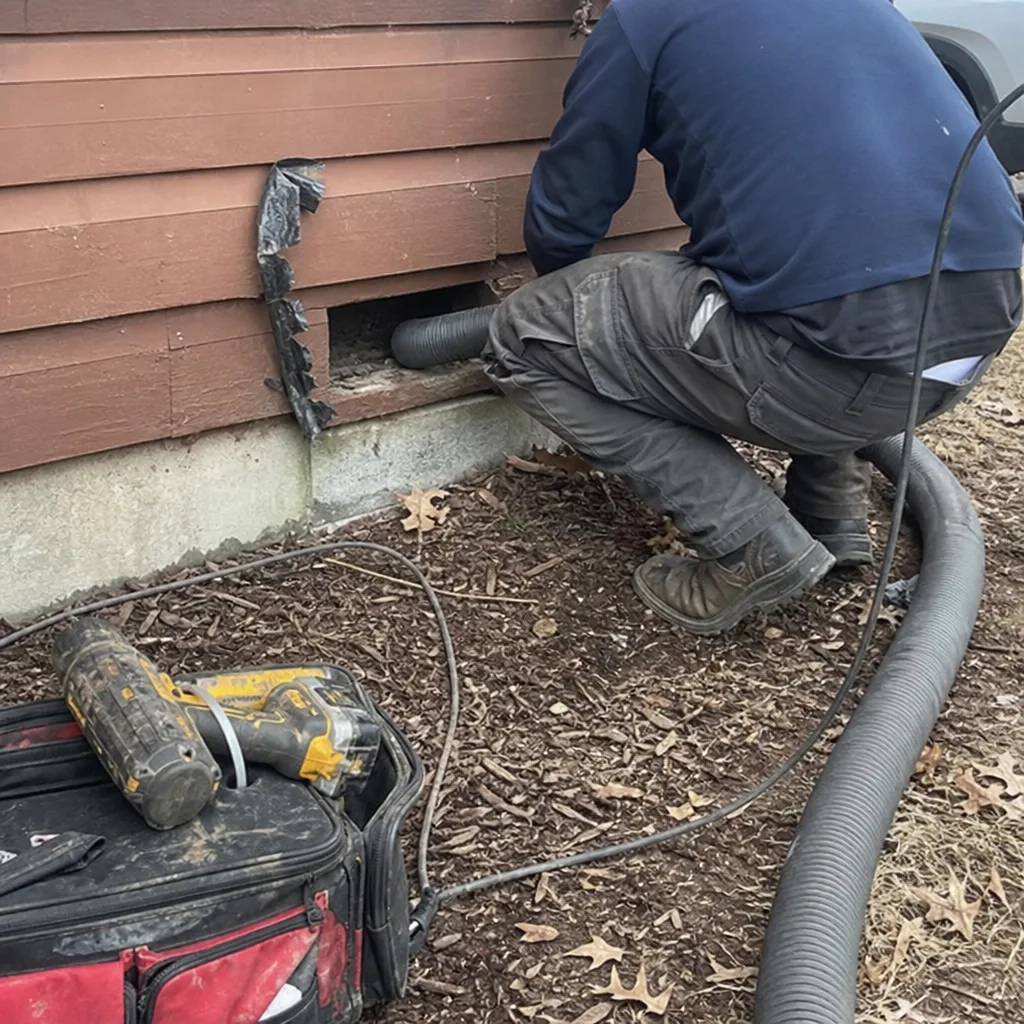 Before
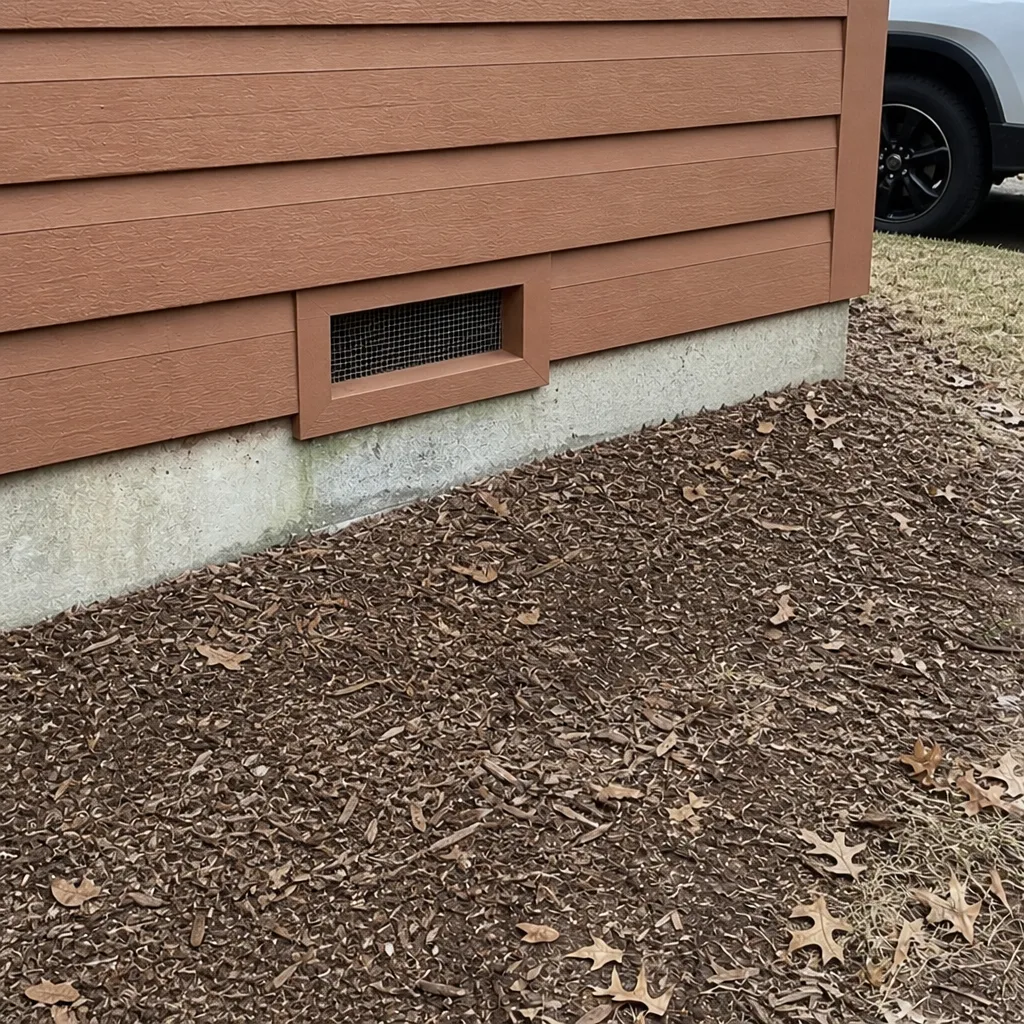 After
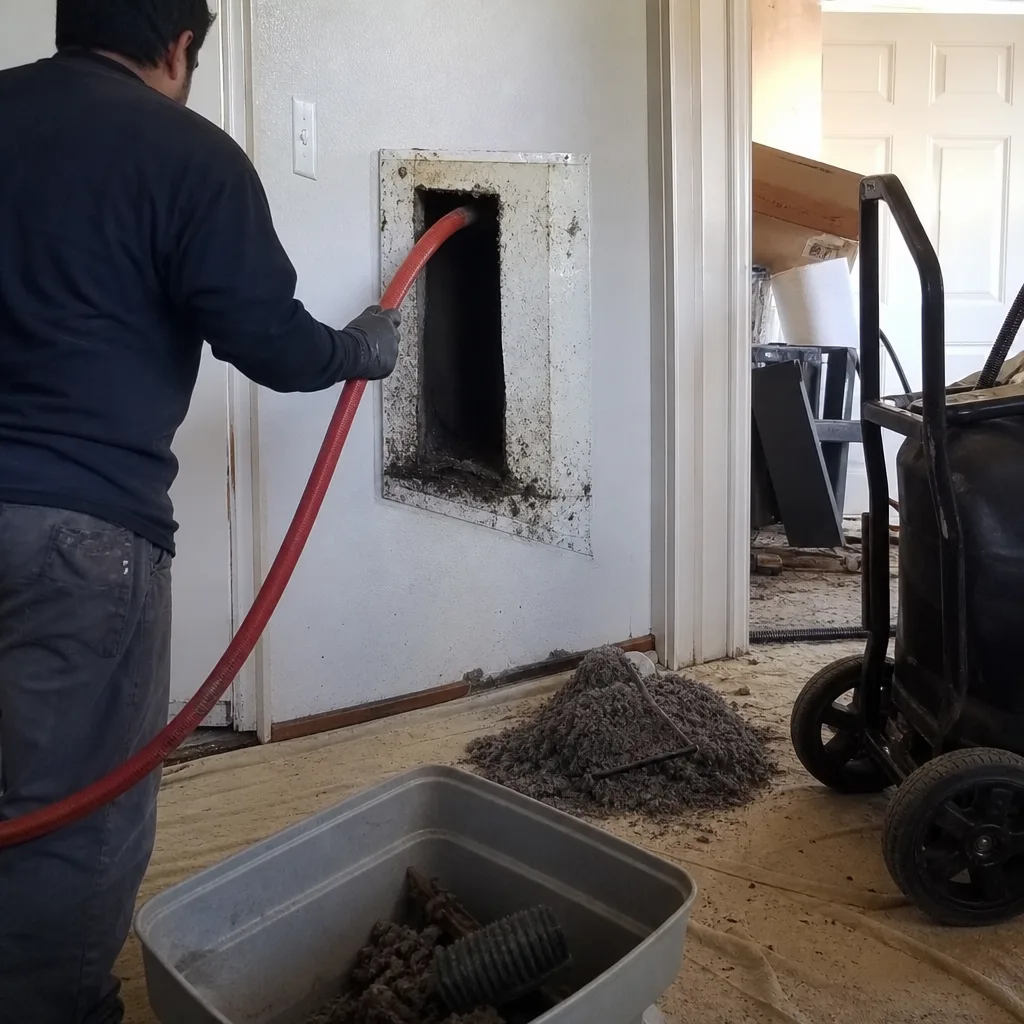 Before
 After
 Before
 After
When to Call a Professional
Some duct problems are homeowner-readable. Others need real equipment. Call a professional if any of the following applies:
- The incense test shows leaks at more than two or three spots, especially at the air handler or trunk.
- You have uneven airflow that persists after a filter change.
- A musty odor returns within a couple of weeks of cleaning, or is paired with a wet spot or visible growth near the coil.
- You notice visible debris blowing out of registers when the system starts.
- Your dryer vent run goes up a wall or through a long duct path and hasn’t been cleaned in recent memory.
- You’ve already spent money on cleaning without solving the problem.
West Jordan Air Duct Cleaning Pros offers free estimates in West Jordan. Call (844) 713-5742. We answer 24/7, and crews are dispatched Sunday through Friday, 7am to 7pm. We diagnose before we recommend, and the price is set per job by the written estimate, so you know the number before work starts.
Frequently Asked Questions
Whole-system duct cleaning in the West Jordan area typically falls in a wide range depending on square footage, number of returns, accessibility, and whether sealing or sanitizing is needed. Expect an honest professional to price the whole system, not per vent, and to give you a written estimate before work starts. Call (844) 713-5742 for an exact quote. Estimates are free.
Cheap quotes usually mean a shallow service: a vacuum pass at each register, no access to the trunk or plenum, no leak check, and no filter cabinet inspection. That’s not the same job as a full clean from the returns through the plenum and registers, using rotary tooling like Rotobrush or Nikro systems. The cheapest ticket is the one you pay twice for. Call (844) 713-5742 for a written estimate that spells out what’s covered.
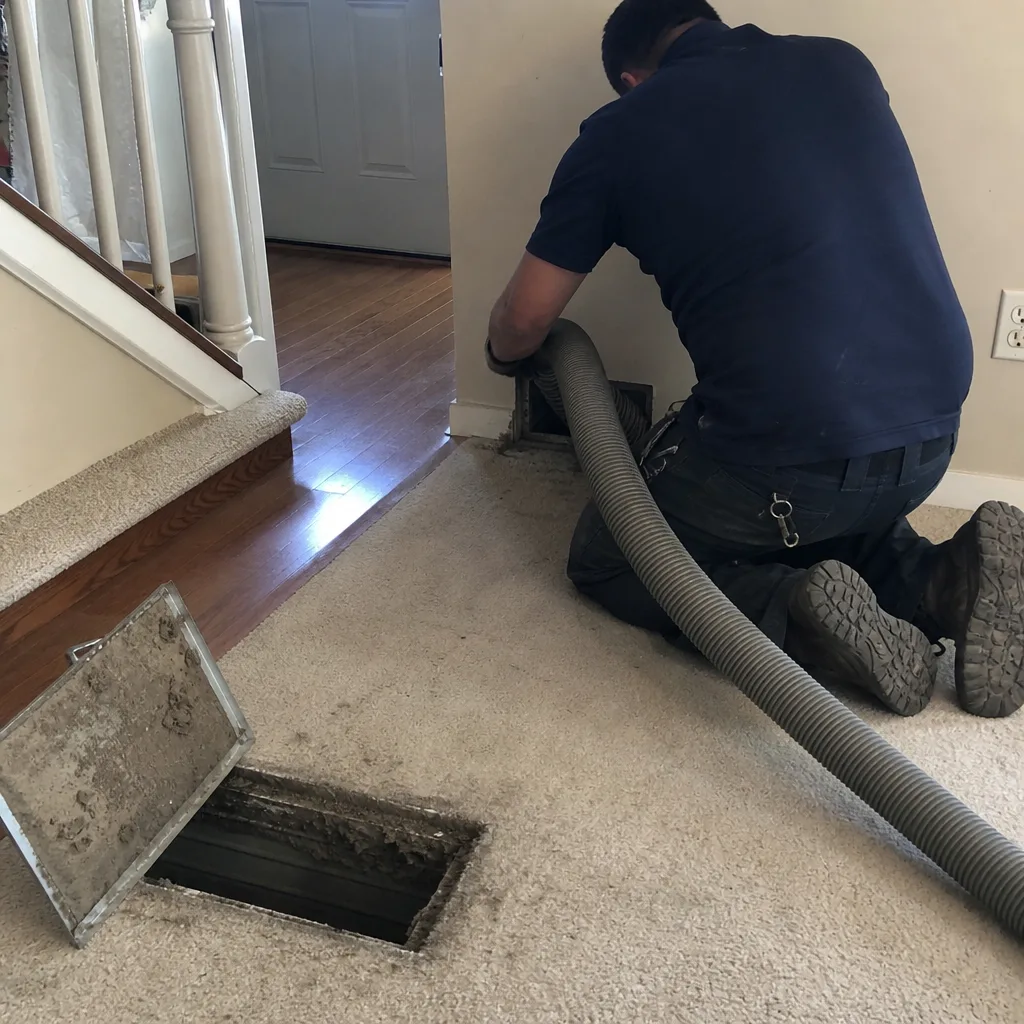
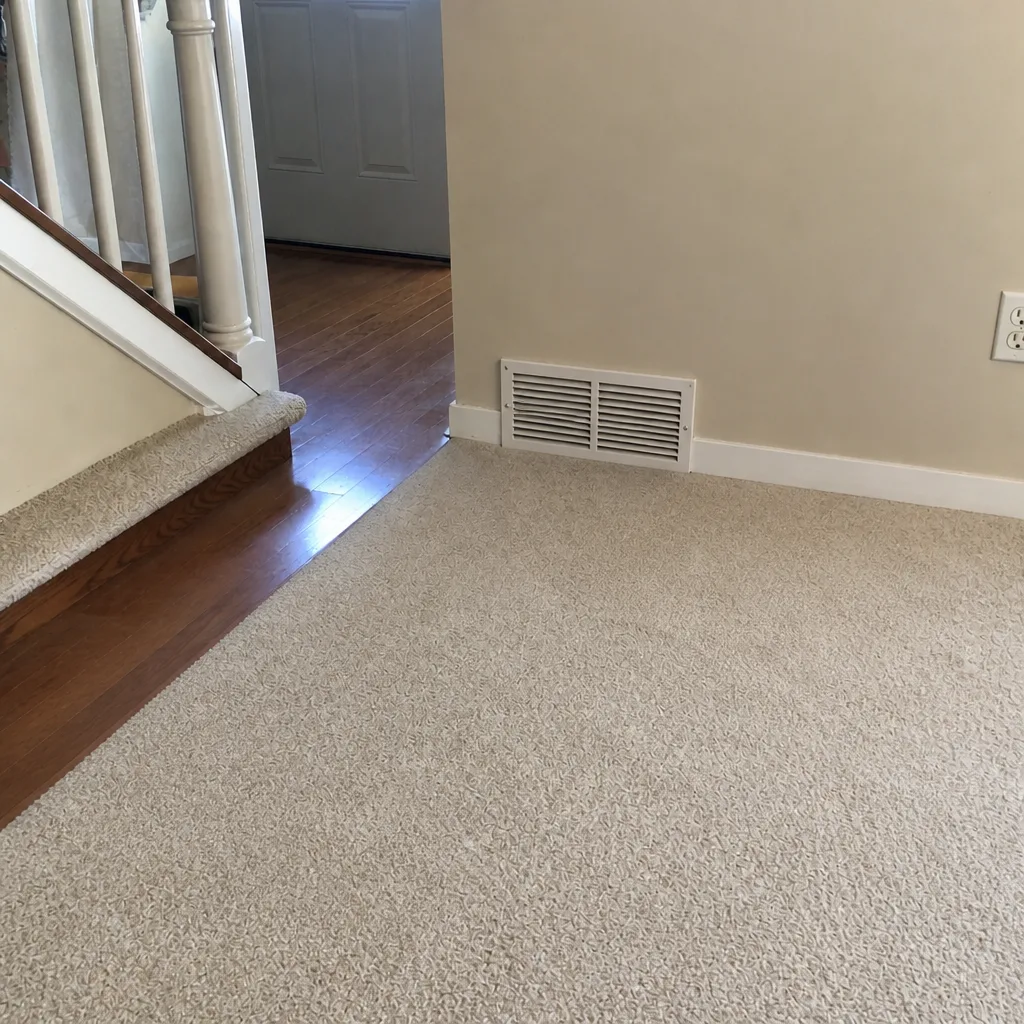
Ask for before-and-after photos of your own ductwork, especially the plenum and trunk. A professional using professional equipment can show you the difference, and the difference should be visible. If a provider can’t show you photos of the system they just cleaned, that’s your answer. Call (844) 713-5742 to schedule a visit with documentation.
Most West Jordan homes benefit from a whole-system cleaning every few years, though the fine silica dust here means homes with pets, nearby construction, or a bypassing filter may need it more often. The better rule is to check: if a filter clogs early or registers show visible dust within weeks, it’s time. Call (844) 713-5742 for a diagnosis rather than a schedule.
Often, yes. A single room that runs consistently hotter or cooler than the rest of the house typically points to a leak at the boot or a disconnected run rather than an HVAC failure. Sealing the affected joints or repairing the run usually costs far less than replacing equipment. Call (844) 713-5742 to have the room diagnosed.
We do offer same-day appointments when the schedule allows. We answer 24/7, and crews are dispatched Sunday through Friday, 7am to 7pm. Call (844) 713-5742 and we’ll book the earliest opening.
The Bottom Line
Most airflow complaints in West Jordan homes come down to three problems, and each needs a different fix. Dirty ducts need a whole-system clean. Leaks and disconnected runs need sealing or repair. Undersized returns and filter bypass need mechanical correction. A ten-minute incense test and a room-by-room airflow comparison will usually tell you which one you’re looking at. If the smell returns after cleaning, suspect liner or coil contamination and ask for sanitizing. If a dryer vent hasn’t been checked, add it to the same visit. And when the diagnosis points to professional work, don’t settle for a single vacuum pass. West Jordan Air Duct Cleaning Pros uses Rotobrush and Nikro equipment from the return to the register, with sealing and sanitizing as part of the same service when your system needs it. Call (844) 713-5742 for a free estimate. We answer 24/7, with fast dispatch from 7am to 7pm, Sunday through Friday.
Take one more look at the West Jordan Air Duct Cleaning Pros home page if you want the full service picture, or call us now for a diagnosis first, cleaning second.
Written by the team at West Jordan Air Duct Cleaning Pros.