
Last updated November 24, 2026
 Whole-home duct cleaning
 Dryer vent cleaning
 Camera inspection
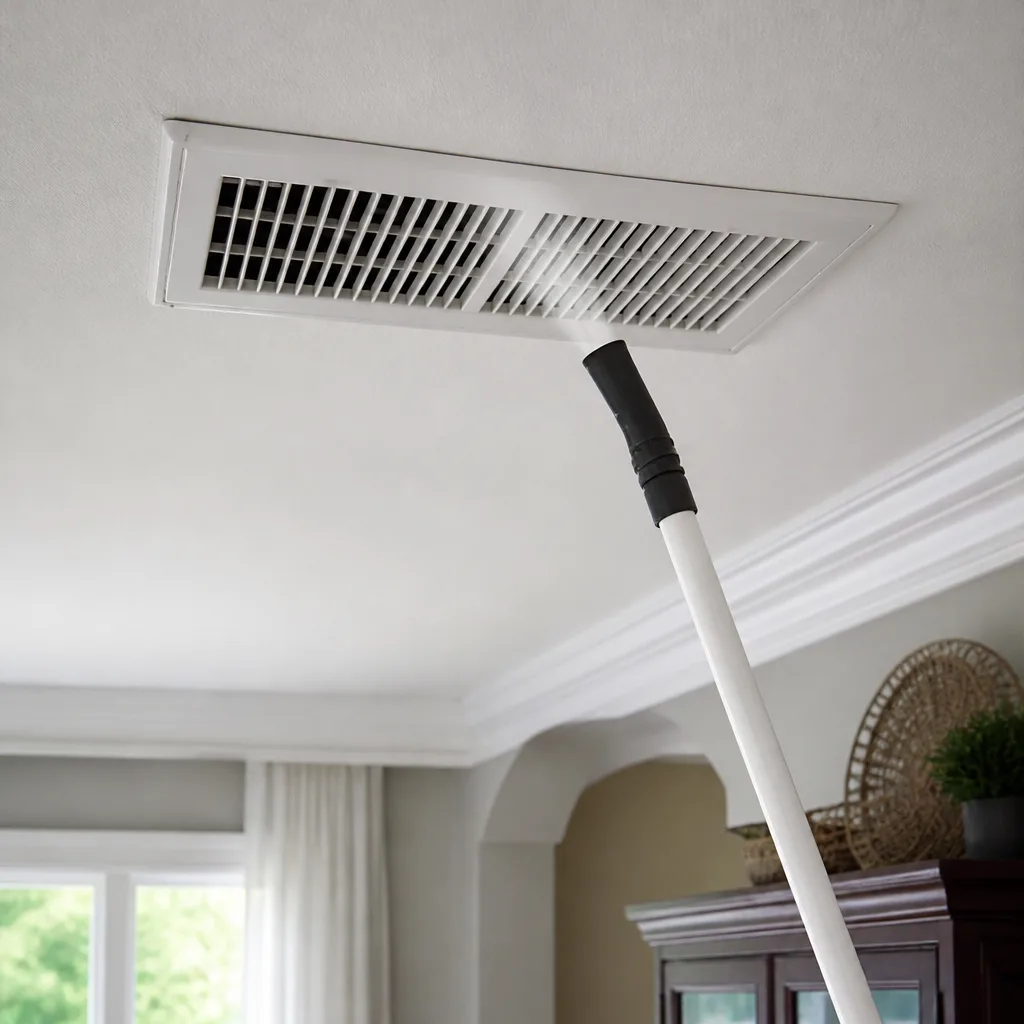 Sanitizing & deodorizing
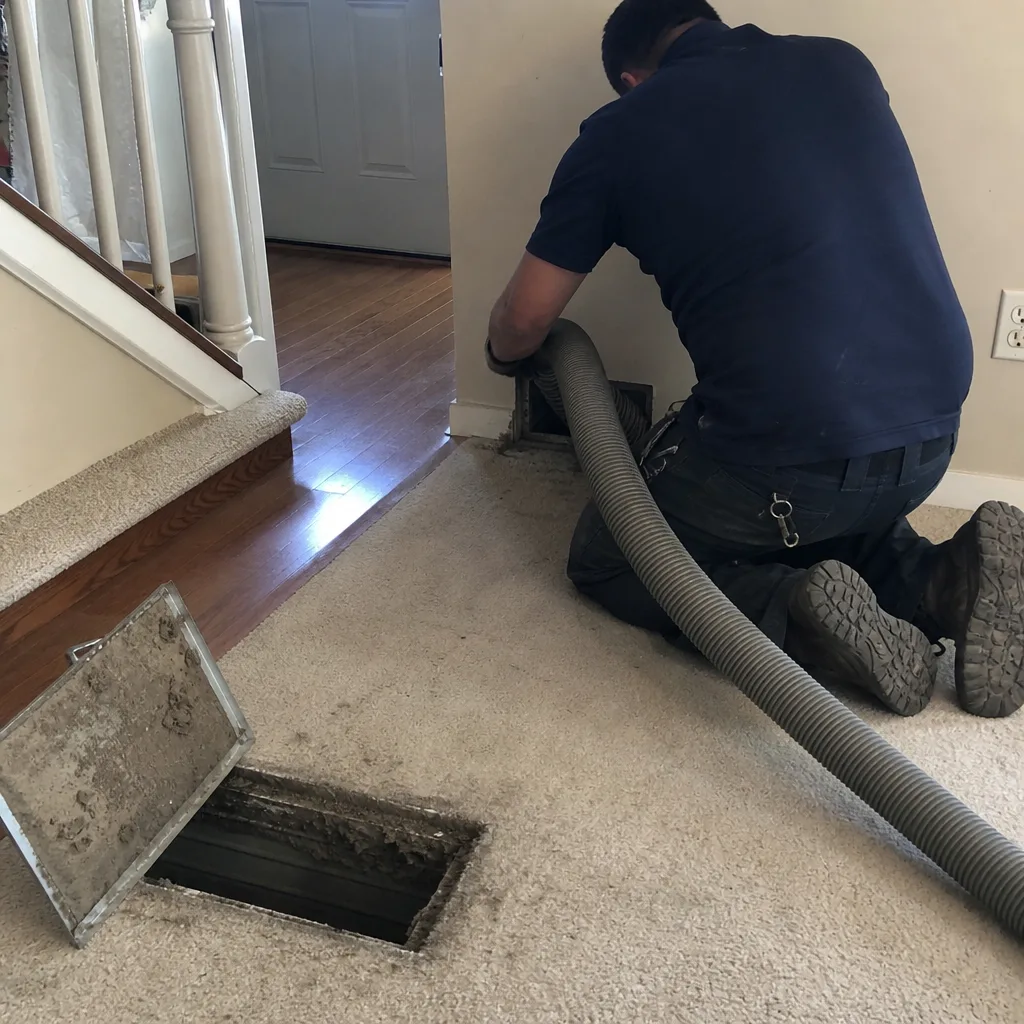
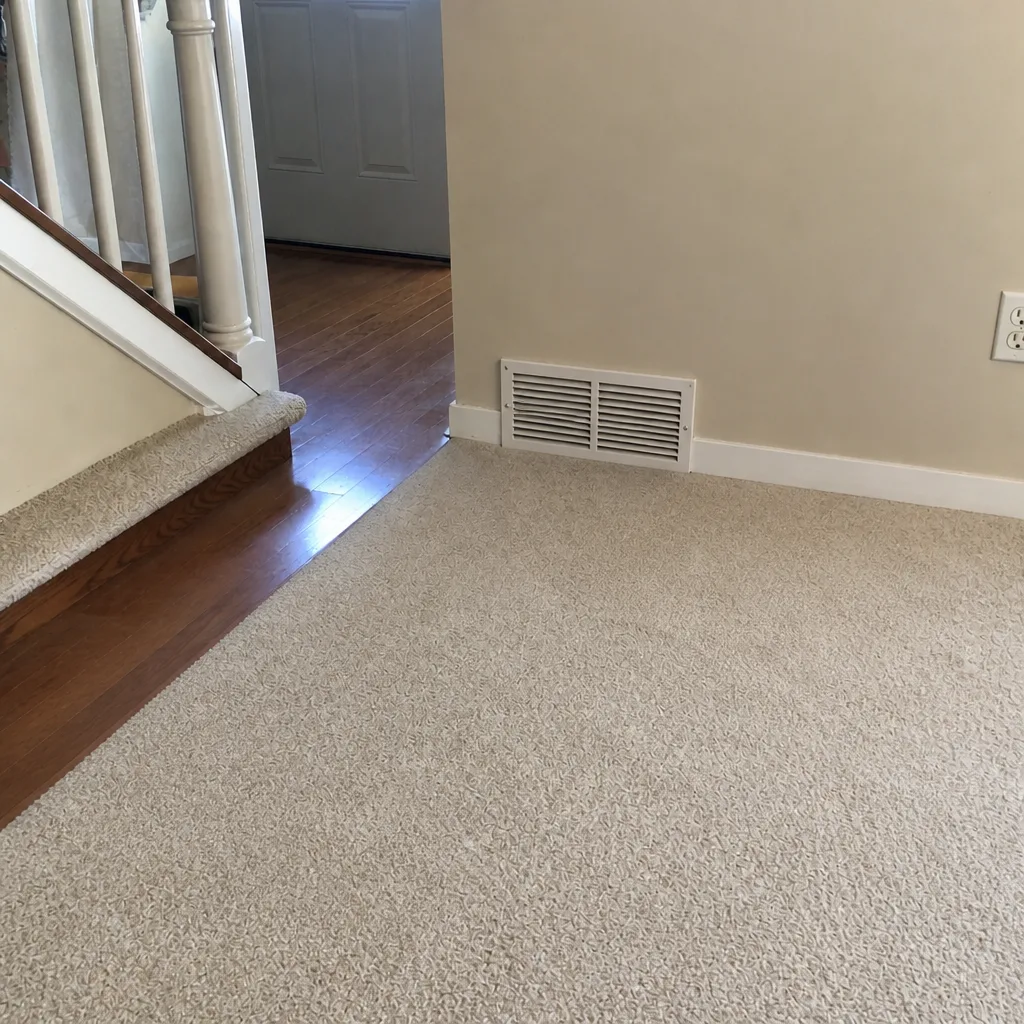
Whole-system duct and dryer vent check with before-and-after photos - you see exactly what came out of your vents
That "$99 whole-house special" is a bait ad - the real number appears once they are in your hallway, or the "clean" is a shop-vac at the register. We photograph the inside of your ducts before and after instead.
Air Duct Cleaning Emergency Preparedness Guide for West Jordan Homes
Most West Jordan households have a plan for the earthquake, the wildfire smoke, the multi-day power outage. Very few have a plan for what those events leave behind inside the ductwork. Here’s the part that surprises people: after a smoke event, the fine particles that entered through your HVAC system can settle into duct liner insulation and release back into your indoor air for days after the outdoor air quality reads safe again. The emergency doesn’t end when the smoke clears outside. This guide walks through duct-system response for each of the events West Jordan actually faces, plus the emergency kit items and insurance documentation that make a real difference.
Quick Answer
Duct-system emergency preparedness means treating your HVAC and ductwork as part of your home’s response plan, not an afterthought. During a smoke event, run the system on recirculation with a clean filter; after an earthquake, inspect for separated joints at plenums and flex boots; after water intrusion, address moisture in the ducts within 48-72 hours. Document the system before anything happens so a claim moves quickly.
Styles & brands we work with
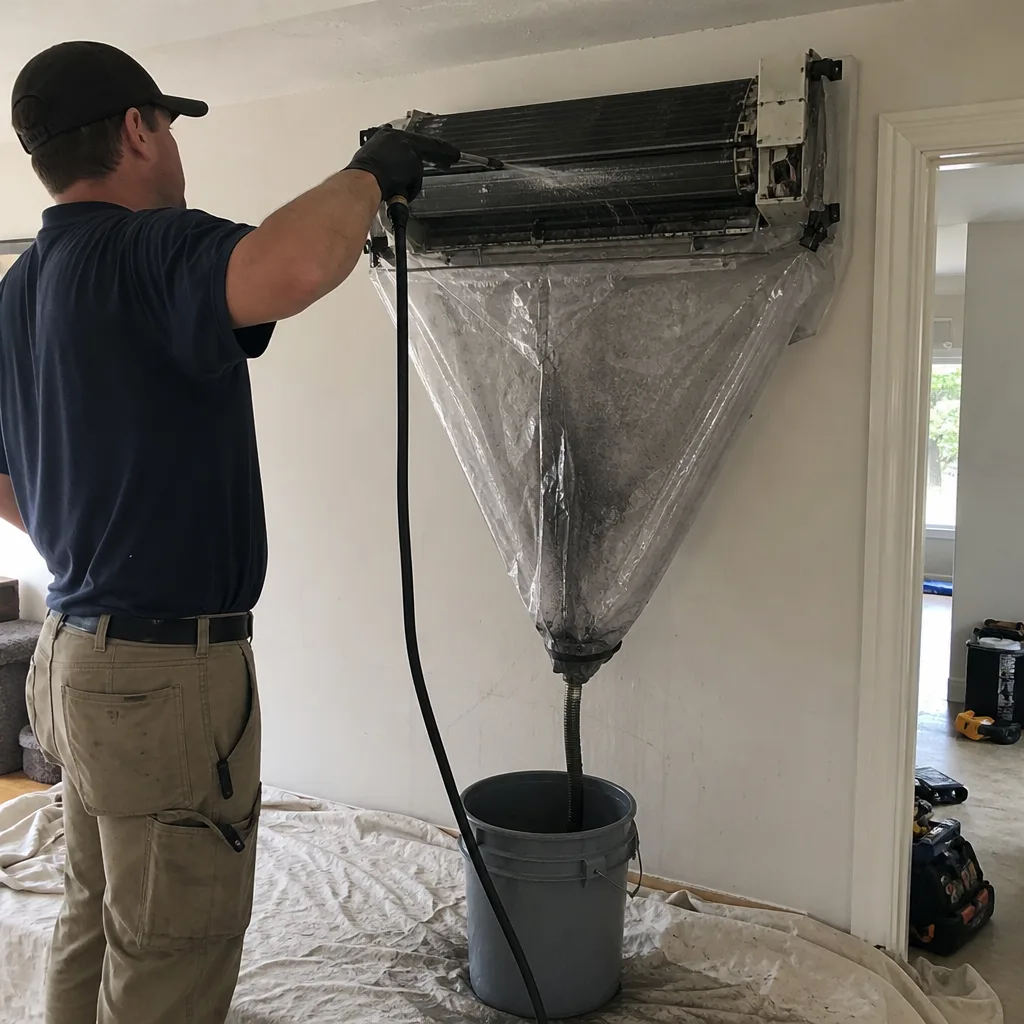
- Whole-home duct cleaning
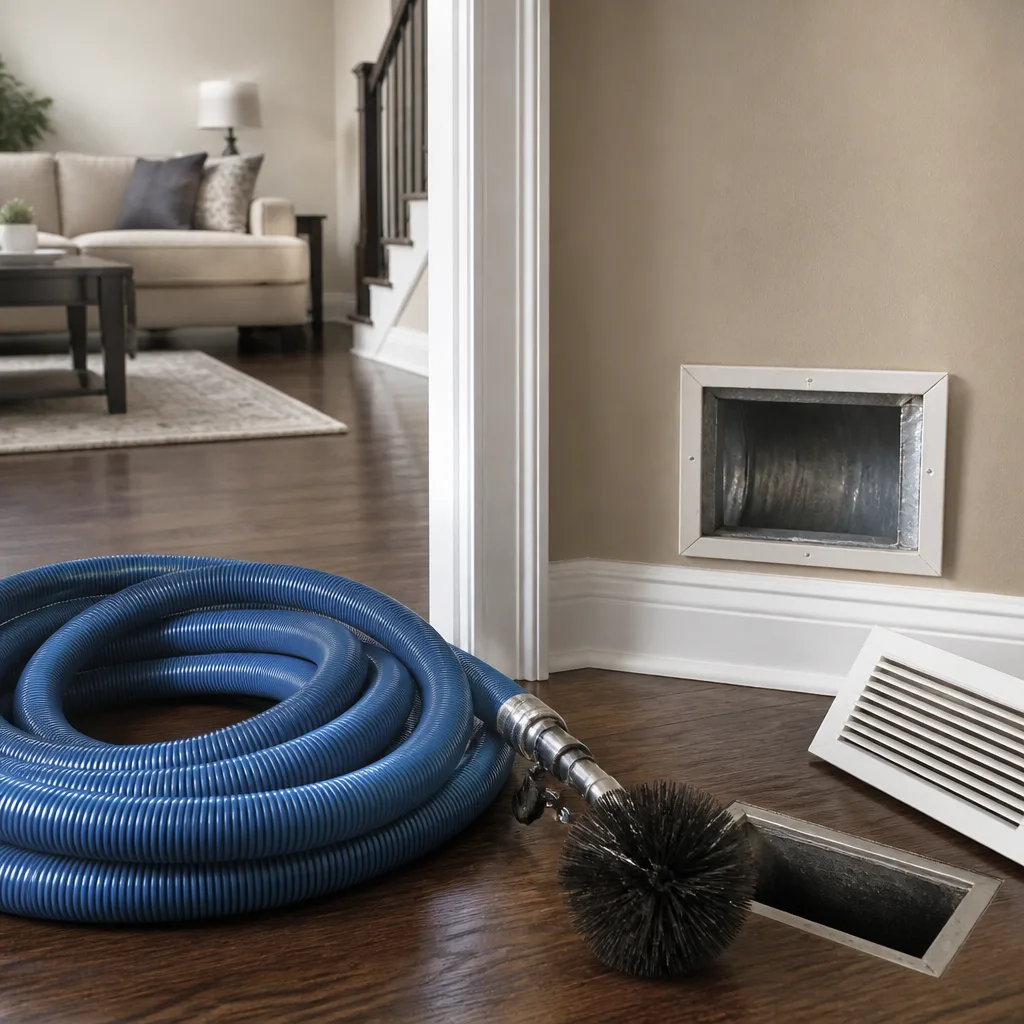
- Dryer vent cleaning
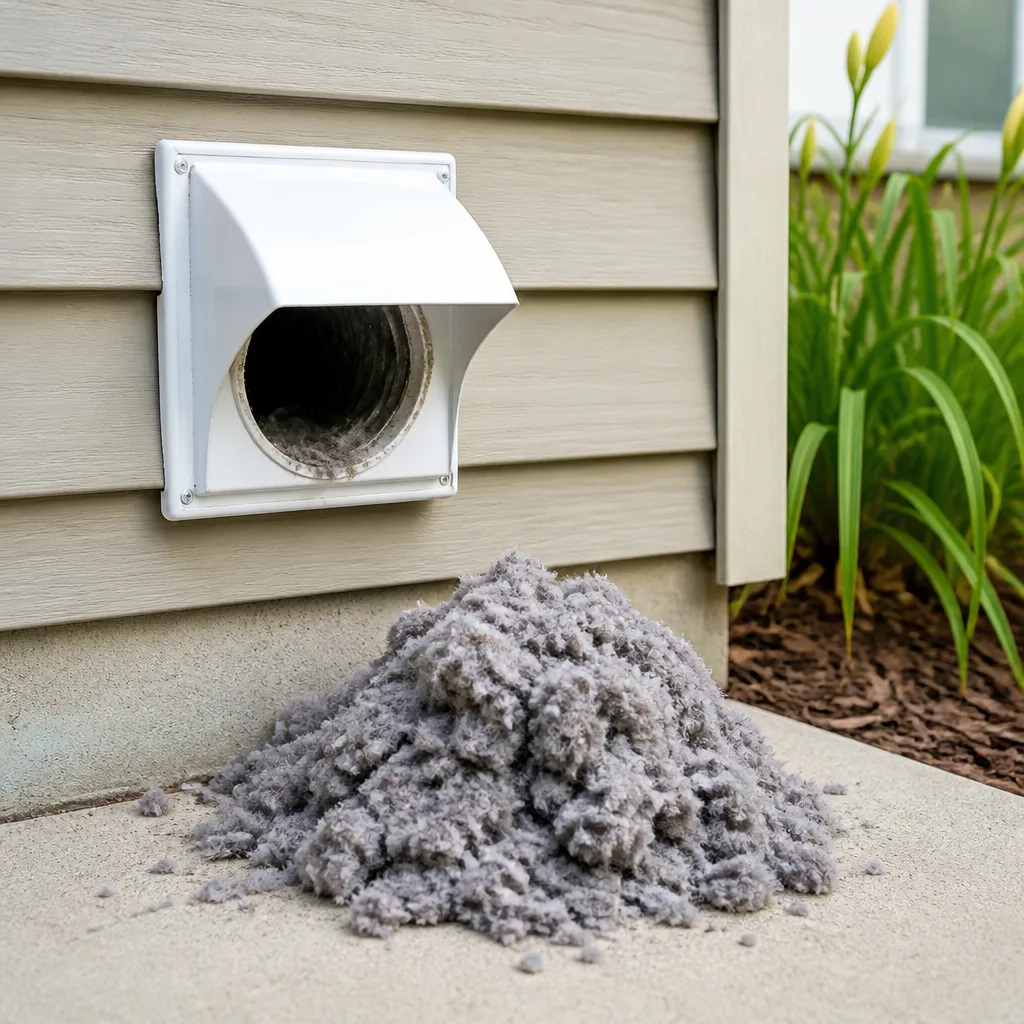
- Camera inspection
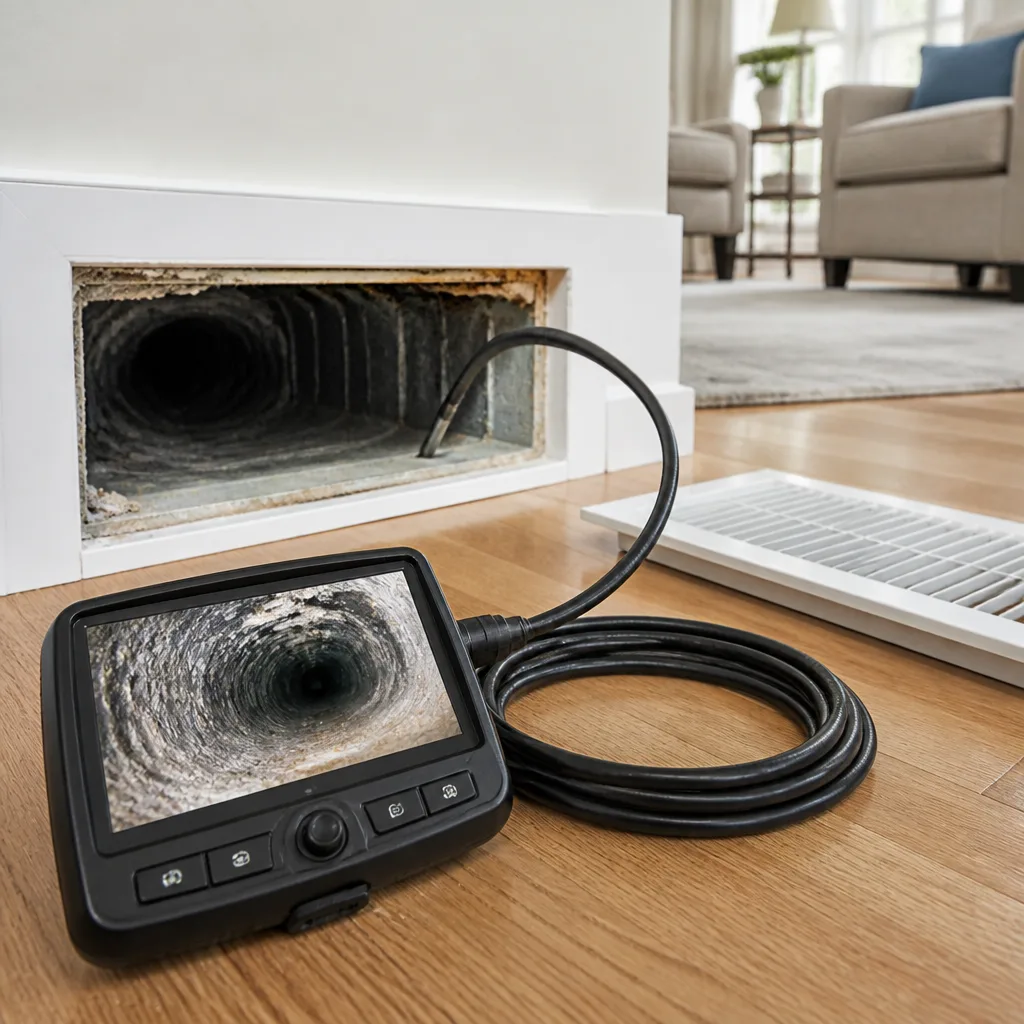
- Sanitizing & deodorizing
Table of Contents
- Why ductwork belongs in your emergency plan
- Wildfire smoke protocol: how to run your HVAC during and after
- Earthquake response: what to inspect in your duct system
- Flood and water intrusion: the 48-72 hour window
- Building an HVAC emergency kit
- Communicating duct condition to insurance adjusters
- Turning preparedness into routine maintenance
- Common mistakes to avoid
Why Ductwork Belongs in Your Emergency Plan
Your ducts are part of your HVAC system, and that system is the lungs of the house. Every time the air handler runs, it pulls air through the returns, pushes it through the ducts, and delivers it to every register in the home. When outdoor air quality drops, when the ground shifts, or when water gets in, the ducts are the pathway that carries the consequence into every room.
In our experience across West Jordan, the homes with the smoothest post-event recoveries are the ones where the homeowner already knew the layout of their system. They knew where the main trunk ran, where the flex connections dropped into the boot at each register, and where the return plenum sat next to the furnace. That knowledge turns a frantic morning into a 10-minute inspection.
There’s a mechanical argument too. Duct cleaning is maintenance, not housekeeping. The same way you’d check a water heater after a quake or reset a tripped breaker after an outage, you check the duct system after an event that could have moved it, flooded it, or loaded it with smoke. A West Jordan home sealed up against the summer heat and winter inversion holds whatever its ducts hold.
West Jordan sits in the Salt Lake Valley, which means two reliable seasonal pressures: summer wildfire smoke that can drift in from any direction, and winter inversions that trap fine particulate near the valley floor. Neither of those is a one-day event. Both are the exact scenarios where duct condition shapes what your family breathes for weeks.
What we do is help homeowners think about the full system: from the return to the register, clean it, seal it, verify it. That’s the frame this guide uses.
Wildfire Smoke Protocol: How to Run Your HVAC During and After
During an active smoke event, the goal is to keep outdoor particulate out of the house and keep the filter working as your first line of defense. Recirculation is your friend. Fresh-air intake is not.
Here’s the sequence we recommend for West Jordan homes during a smoke event:
- Close the fresh-air intake. If your system has a damper or economizer that pulls outdoor air, shut it. You don’t want to be pumping smoke into the return.
- Set the fan to ON, not AUTO. Continuous circulation through the filter removes indoor particles faster than intermittent operation.
- Use a filter rated for fine particulate. A higher-MERV filter catches more smoke particles, but check that your system can handle the airflow restriction – a filter too restrictive for the blower can strain the motor.
- Keep windows and doors closed. Obvious, but easy to forget when the outdoor air “looks” better than it is.
- Run a standalone HEPA unit in the main living area if you have one. It takes load off the duct system’s filter.
When the smoke clears, the work isn’t done. Fine particles embedded in the duct liner and on the interior surfaces of the trunk can re-release for days as the system cycles. That’s the moment for a proper duct inspection, not just a filter change. A professional inspection with negative-pressure equipment and a rotary brush system like Rotobrush can lift what settled. Depending on what the inspection finds, a sanitizing treatment with products like those from Abatement Technologies can help reduce microbial load and odors left by the event.
If your system has a whole-home air treatment setup using Honeywell or Aprilaire components, check that the media is fresh and the unit is running properly after the event. A clogged media cabinet does no good.
Earthquake Response: What to Inspect in Your Duct System
After a significant seismic event, the duct system is one of the easiest things to check and one of the most overlooked. The ground moves, the house flexes, and the duct connections take the strain.
Here’s what a post-quake inspection should include, in order:
- Joint separations at the trunk. Look at the seams where rigid duct sections connect. A gap here leaks conditioned air into the crawlspace or attic and pulls unconditioned air into the system.
- Plenum displacement. The plenum is the box that sits on top of the furnace or air handler. If it shifted, the seal between the plenum and the unit can open. That’s a serious efficiency and air-quality issue.
- Flex duct disconnections at boots. Where the flexible duct meets the boot at each register, the connection is often just a zip tie or tape. Shaking can pop those loose. If a boot is disconnected, the register isn’t delivering air from the system – it’s just an open hole.
- Hanger and strap integrity. Ducts suspended in the attic or crawlspace need their straps intact. A dropped section of flex duct can crush or kink, cutting airflow to half the house.
- Filter and blower cabinet. Make sure nothing fell into the blower compartment, and check that the filter hasn’t shifted out of its slot.
None of this is a DIY repair. A separated plenum or a crushed flex run needs a trained technician with the right materials to reseal properly. What you can do, safely, is visual inspection and a note of anything that looks wrong, so when you call for service you can describe what you saw.
After the Northridge quake in 1994, a lot of Salt Lake Valley homes needed duct repairs that weren’t discovered for years. The pattern is predictable: the homeowner checks the foundation, the chimney, the water heater, and never thinks about the ducts. West Jordan homes deserve better than that.
Flood and Water Intrusion: The 48-72 Hour Window
Water in your ductwork is a different kind of emergency than smoke or seismic movement, and it’s on a clock. Once moisture gets into a duct run, the window to act before biological growth becomes the primary contamination concern is roughly 48-72 hours.
Where does water get into ducts in a West Jordan home? The usual suspects:
- Roof or attic leaks draining down onto flexible duct runs
- Swamp cooler or condensate overflow that reaches the plenum
- Groundwater or appliance leaks in a basement or crawlspace where ducts run low
- Burst supply lines near the air handler
The response sequence is straightforward:
- Stop the source. Shut off the water, patch the roof, whatever it takes.
- Kill power to the HVAC system. Don’t run a system with wet ducts or a wet blower – you risk spreading moisture through every register.
- Document what happened. Photos of the water line, the affected duct sections, the source. This matters for insurance.
- Get the ducts dried and assessed by a professional within 48-72 hours. Flexible duct that has been soaked usually can’t be saved and needs replacement. Rigid duct can often be dried and cleaned, followed by a sanitizing treatment to address what the moisture invited.
Waiting is the expensive choice. A duct run left wet for a week turns a clean-and-dry job into a full duct replacement plus a much larger insurance conversation.
Building an HVAC Emergency Kit
A duct-system emergency kit is not a big-ticket item. It’s a small box and a binder, and it changes how the next event goes. Here’s what we recommend for West Jordan households:
- Two spare filters of the correct size. Write the size on the edge of one. You’ll forget after a long day.
- A note card with the HVAC shutdown procedure. Where’s the breaker or the disconnect switch? Is there a gas shutoff on the furnace?
- Flashlight and work gloves. You’ll be looking in the attic or crawlspace, possibly in the dark.
- A printed diagram of your duct layout. Sketch the main trunk, the branch runs, the register locations, and the return. This takes 15 minutes on a calm day and saves hours on a bad one.
- Photos of the whole system on your phone. Filter slot, plenum, main trunk, each register.
- A short list of the equipment your system uses. If you have a Honeywell filtration unit or an Aprilaire media cabinet, note the model. It sets the response faster.
- Your HVAC contractor’s number, written down. Ours is (844) 713-5742. Keep it in the binder and on the fridge.
Don’t overthink the inventory. A shoebox and a binder are enough.
Communicating Duct Condition to Insurance Adjusters
After a covered event, the adjuster’s job is to determine what was damaged and what it costs to restore. Your job is to make the duct system impossible to overlook.
Here’s what to gather, in this order:
- Pre-event documentation. The photos and layout diagram recommended above. If the adjuster can see the system before the event, the “was this damage pre-existing?” question goes away.
- Post-event photos at the same angles. Match the before shots as closely as you can.
- Notes on what you observed. Water line height, smoke odor, visible separation at joints, anything that changed.
- A written inspection from a qualified duct cleaning and repair company. This is the single most valuable piece of the file. An adjuster who reads “plenum separation of 1/4 inch at the furnace, flex duct disconnected at two boots in the north branch” moves faster than one reading “the ducts seem damaged.”
Photos before service are critical. Once a technician cleans the ducts, the evidence of the contamination or damage is gone. Take the photos first, then call for service. If we’re the ones doing the inspection, we’ll make sure the documentation you need is there before the cleaning starts.
Also worth knowing: the adjuster often doesn’t have a duct cleaning line item in their standard template. Homeowners who bring their own documentation get the coverage that the system actually needs, and that’s the difference between a partial fix and a proper repair and seal.
Turning Preparedness into Routine Maintenance
Emergency readiness is ultimately a maintenance habit. The household that has a duct cleaning and inspection done on a sensible schedule has already done half the work that an emergency demands.
Our recommendation for a West Jordan home: a professional air duct cleaning on a cycle matched to your household – more often if you have pets, allergy sufferers, recent remodeling, or a smoke event behind you. Alongside it, the duct repair and sealing service closes the gaps that let contaminants and conditioned air move where they shouldn’t.
Full HVAC cleaning handles the coils, blower, and air handler, which are the components that move the air the ducts carry. A dirty coil and blower undo the work of clean ducts.
Don’t forget your dryer vent cleaning on the same schedule. Lint buildup in the dryer vent is a recognized fire risk, and it’s the kind of household maintenance that gets put off until something goes wrong. It belongs in the same annual rhythm as the duct work.
And for anyone rebuilding the system after a water event, this is where a company that handles cleaning, repair, sealing, and sanitizing end to end saves a second phone call. We bring the Rotobrush and Nikro equipment that commercial contractors use, and we do the repair work as part of the same job. For more on our full service lineup, see West Jordan Air Duct Cleaning Pros.
Common Mistakes to Avoid
- Running the fan during a smoke event with the fresh-air intake open. You’re pulling smoke directly into the return and pushing it through every register. Close the damper first, then turn the fan on.
- Waiting a week after a water event to check the ducts. The 48-72 hour window is real. Mold doesn’t wait for a convenient weekend.
- Cleaning ducts before photographing the damage. The adjuster needs the before photos. Take them first, then call for service.
- Doing a personal post-quake inspection and then not acting on what you saw. A disconnected flex duct at a single boot can leak conditioned air into the attic and pull unconditioned air into the room. It’s a small repair that becomes a big energy bill.
- Buying the cheapest duct cleaning coupon after an event. Consumer-grade equipment doesn’t create the negative pressure that pulls settled particulate out of the system. You need professional-grade equipment, not a shop vac on a long hose.
- Skipping the dryer vent. It’s one of the leading fire risks in a home, and it’s easy to fold into your annual duct service visit. Don’t forget it.
- Relying on a filter change alone after a smoke event. New filters help, but the contamination that settled into the ducts themselves needs actual cleaning, not just a fresh filter downstream.
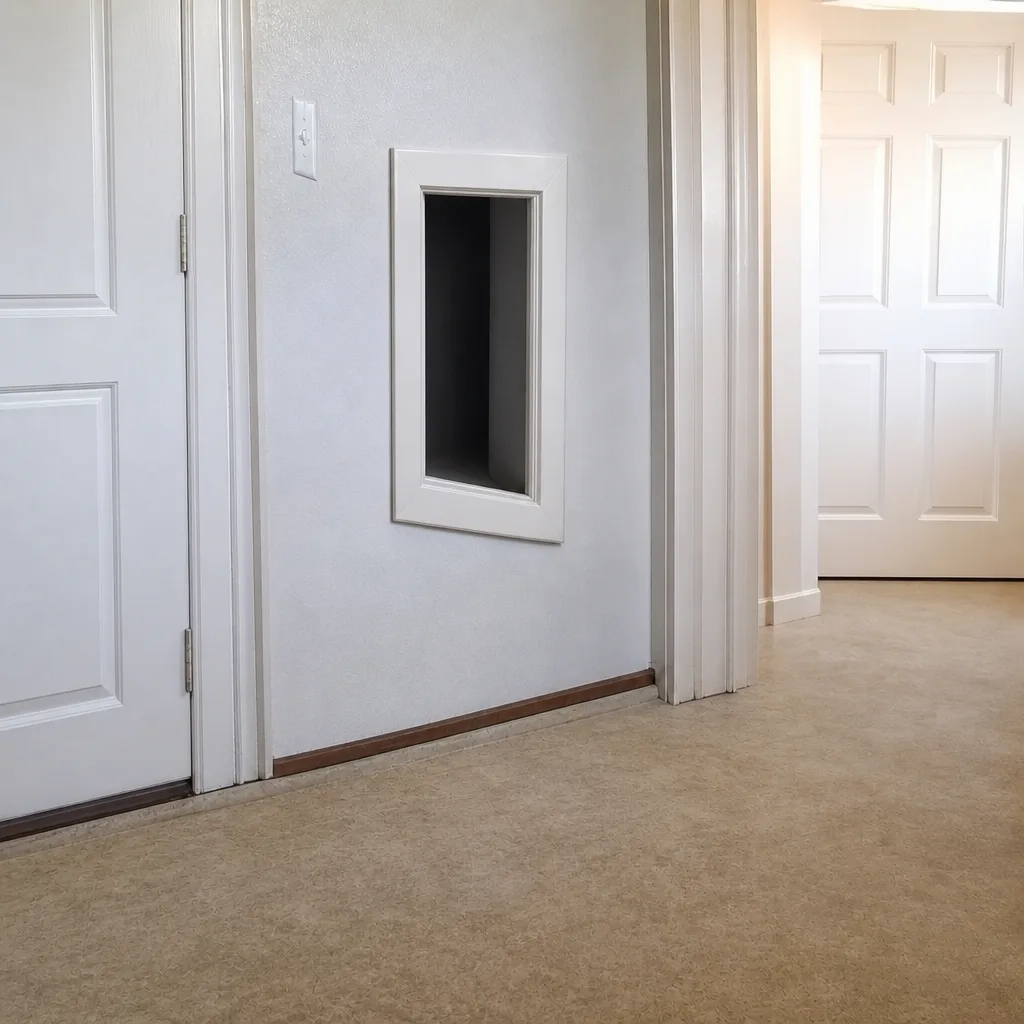
See the difference
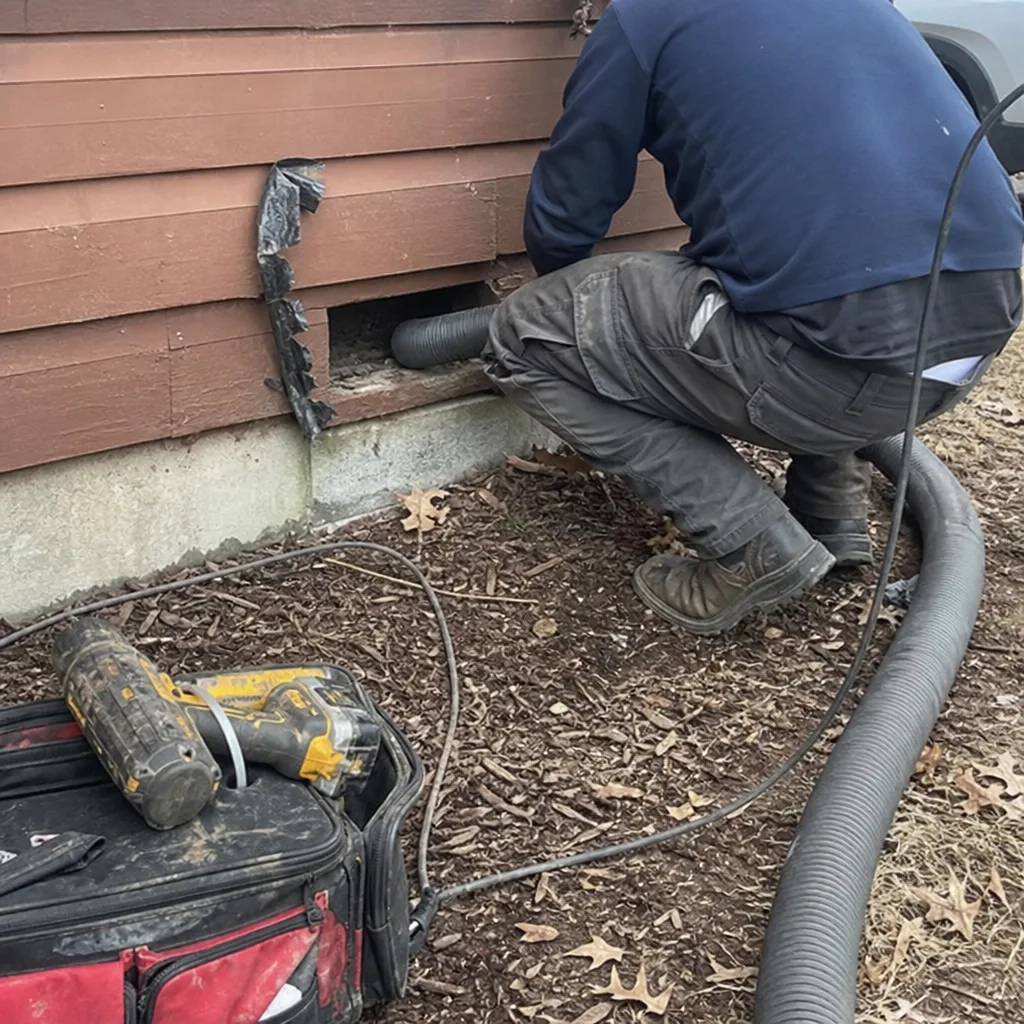 Before
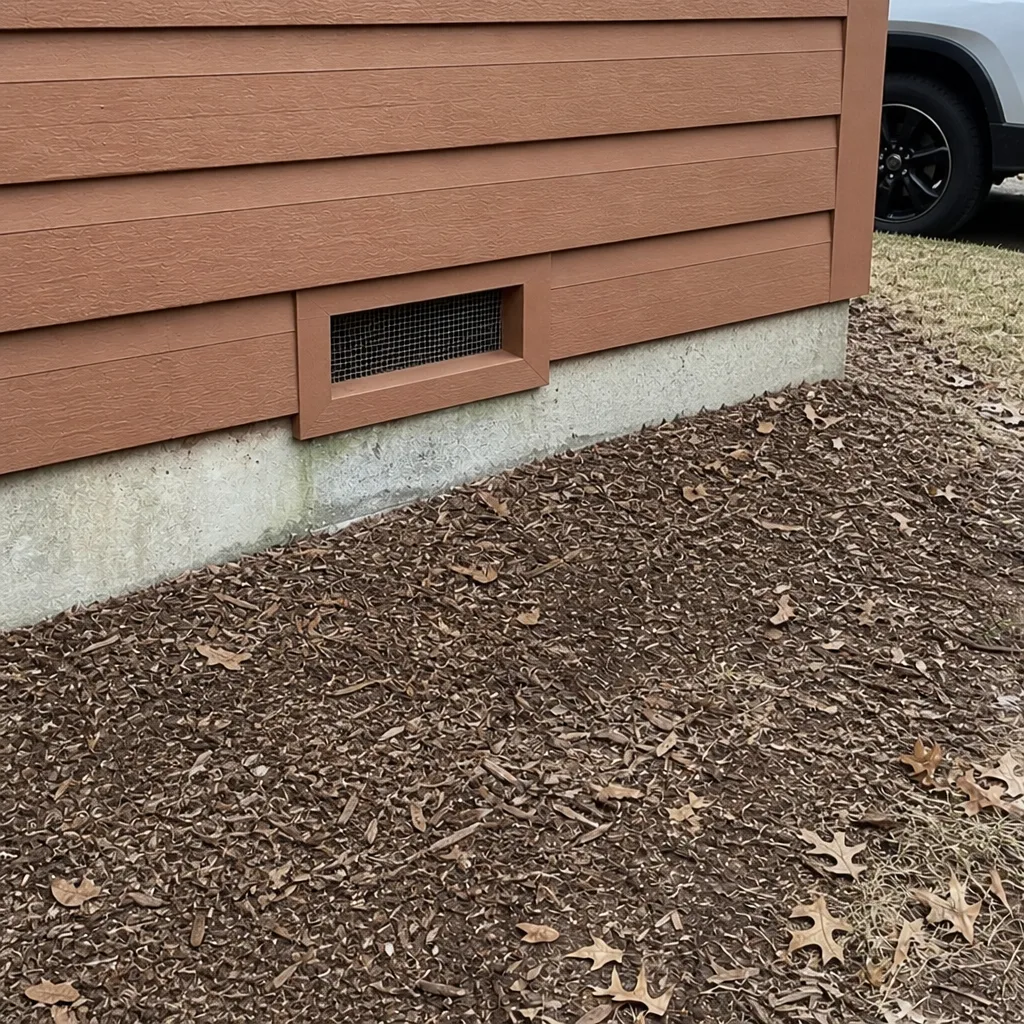 After
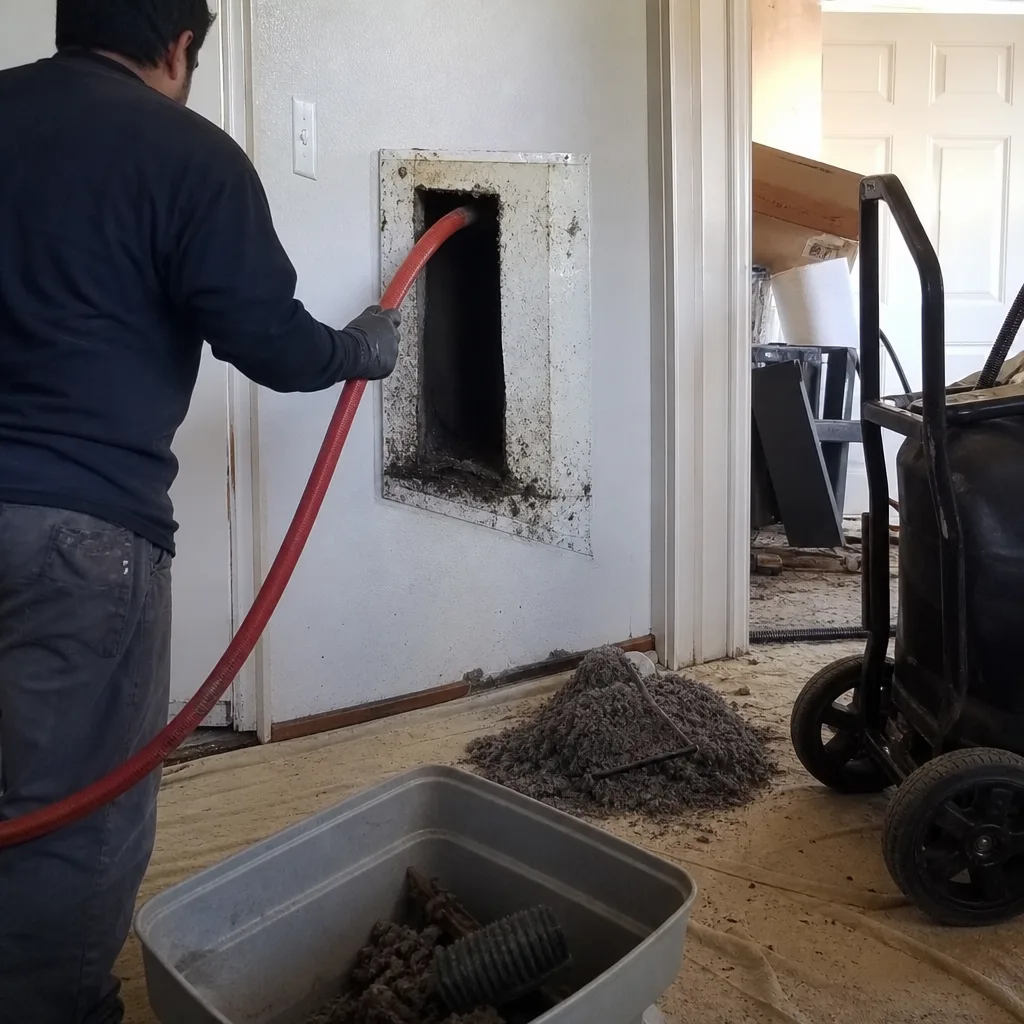 Before
 After
 Before
 After
When to Call a Professional
Call a professional duct technician after any of these West Jordan events:
- A significant wildfire smoke event that lasted more than a day or two, especially if you smell smoke indoors after outdoor air has cleared.
- Any earthquake strong enough to knock pictures off the wall or crack drywall. The ducts need a visual inspection.
- Any water intrusion into the attic, basement, or crawlspace where ductwork runs – within 48-72 hours.
- After the HVAC system has run with a wet or displaced duct section, or after a blower motor failure that put dust through the system.
- Before you file an insurance claim on the system, so the inspection report is part of the file.
We’re the local company West Jordan homeowners call for air duct cleaning, HVAC cleaning, duct repair and sealing, and dryer vent service. We offer free estimates in West Jordan. Our technicians have up to 11 years of experience. West Jordan Air Duct Cleaning Pros – call (844) 713-5742. We answer 24/7. Fast dispatch from 7am to 7pm, Sunday through Friday.
Frequently Asked Questions
Air duct cleaning in West Jordan is quoted per system, not per vent, and the range depends on square footage, the number of registers, and access to the trunk and plenum. We keep our pricing flat per system with a written estimate agreed before work starts, so there’s no bait-and-switch coupon that doubles on the invoice. Call (844) 713-5742 for an exact quote – estimates are free.
Cheap quotes usually come from companies using consumer-grade vacuums and a surface wipe, or from a per-vent price that looks low until you multiply it by 15 registers. Professional cleaning uses negative pressure and a rotary brush system like Rotobrush to actually lift the contamination out of the duct liner. If a quote looks dramatically lower than everyone else, ask what equipment they’re using and whether they clean the plenum too. Then call (844) 713-5742 for a real comparison – estimates are free.
Ask for before-and-after photos of your own ducts. Professional cleaning happens under negative pressure with access holes cut at strategic points, and a legitimate company documents what they find before and after. If a company can’t show you the internals of your system, you don’t know what was cleaned. Call (844) 713-5742 if you’d like ours documented.
Every three to five years is a reasonable rhythm for most households. If you have pets, allergy sufferers, a recent remodel, or a smoke event behind you, more often makes sense. Because West Jordan sits in a valley that sees both wildfire smoke and winter inversion, households here should lean toward the shorter end of that range. Call (844) 713-5742 for an assessment tailored to your system – estimates are free.
In most cases, a filter change alone isn’t enough. Fine particulate settles into duct liner and on the trunk surfaces, and it releases back into the indoor air for days after the outdoor air clears. A duct inspection tells you whether you’re looking at a cleaning or just a filter. Call (844) 713-5742 to schedule the inspection – estimates are free.
Check for gas leaks and structural damage first, then do a visual duct inspection: look for separated joints at the plenum, disconnected flex duct at the register boots, and dropped hanger straps in the attic or crawlspace. Don’t try to repair anything yourself – note what you see and call a professional to assess it. Call (844) 713-5742. We answer 24/7. A call outside dispatch hours is booked into the next opening, Sunday through Friday, 7am to 7pm.
The Bottom Line
Duct-system emergency preparedness is not a luxury for the cautious – it’s the missing chapter in most West Jordan household plans. The four events to prepare for are smoke, earthquake, water intrusion, and power loss. The three habits that make the difference are a clean filter and closed intake during smoke, a visual duct inspection after any seismic event, and a call within 48-72 hours after water intrusion. The two items that pay off at claim time are before-and-after photos and a documented layout. Build the kit. Sketch the thing. Keep our number handy. Air you can trust starts with a duct system you’ve planned for.
Call West Jordan Air Duct Cleaning Pros at (844) 713-5742 for a free estimate on air duct cleaning, HVAC cleaning, duct repair and sealing, sanitizing, or dryer vent cleaning. We answer 24/7. Fast dispatch from 7am to 7pm, Sunday through Friday.
Written by the team at West Jordan Air Duct Cleaning Pros.