
Last updated November 24, 2026
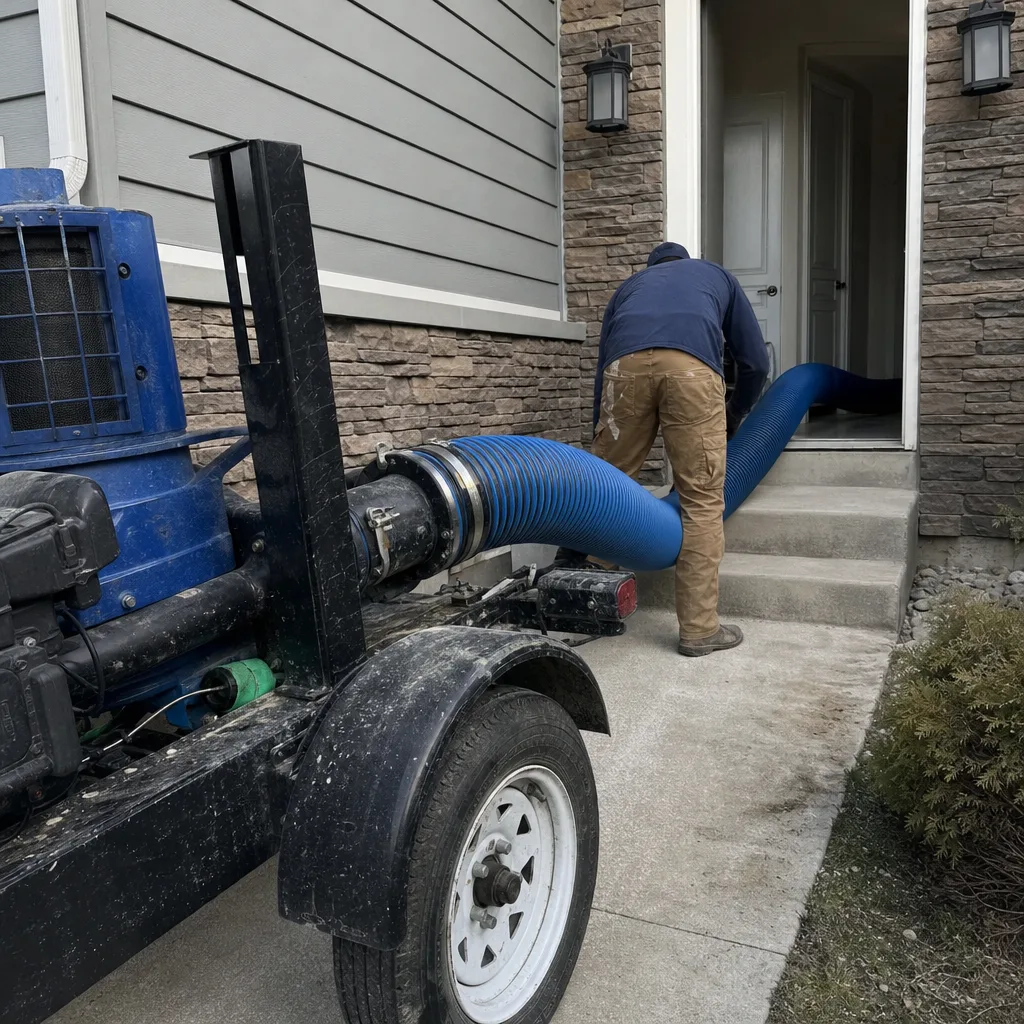
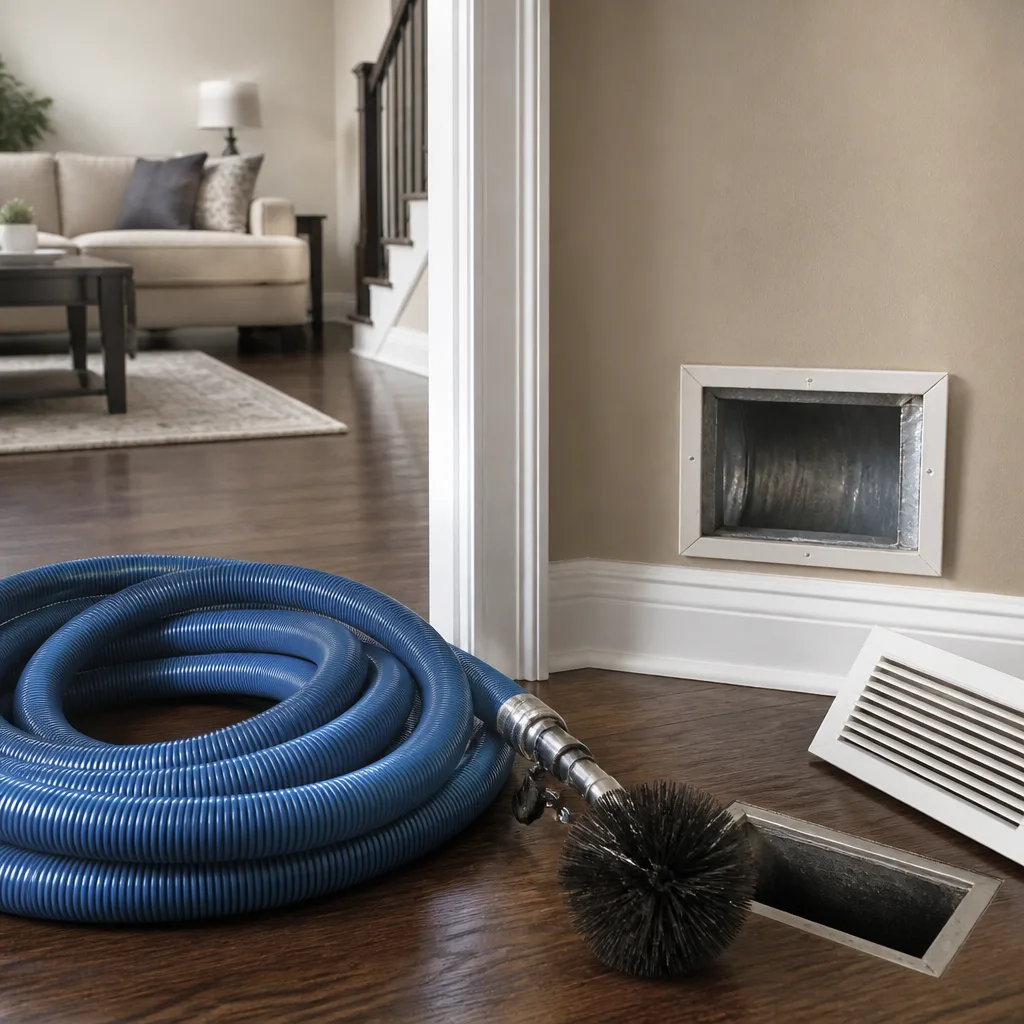 Whole-home duct cleaning
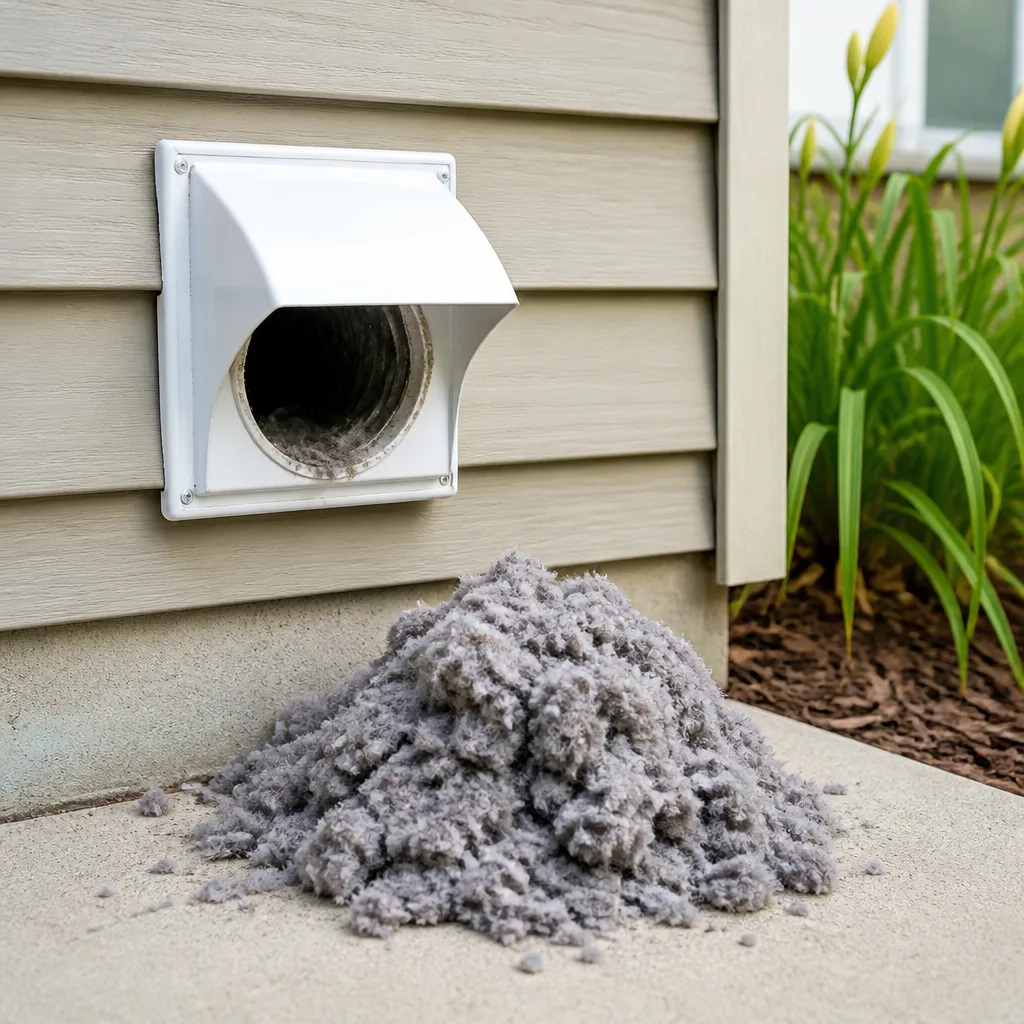 Dryer vent cleaning
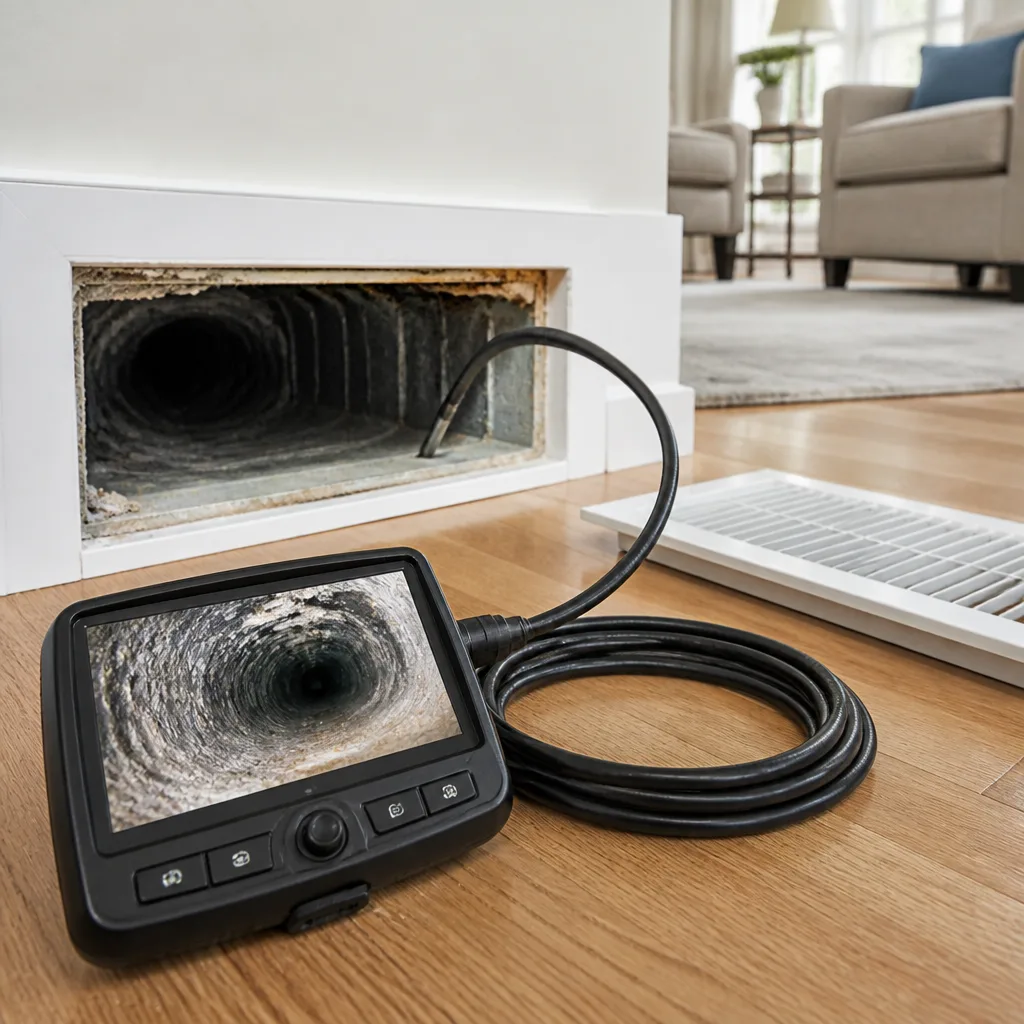 Camera inspection
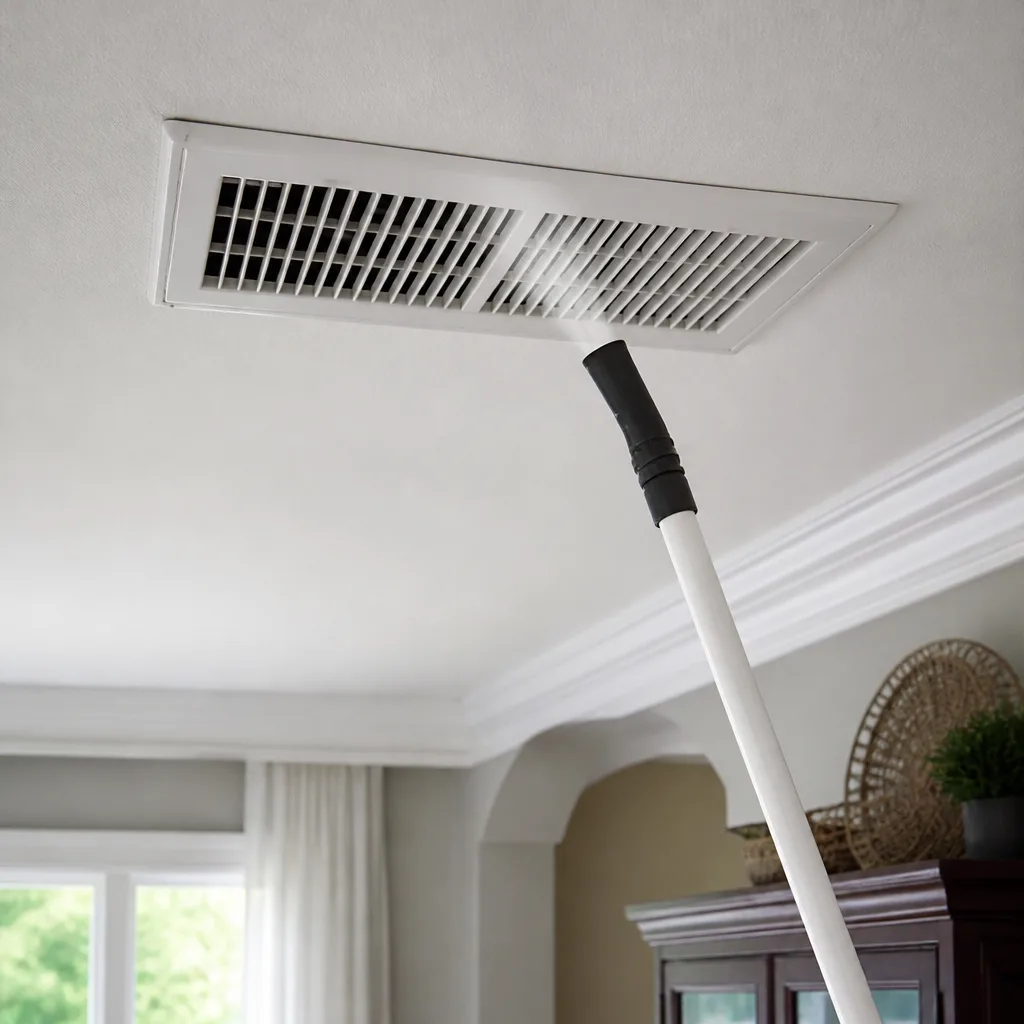 Sanitizing & deodorizing
Whole-system duct and dryer vent check with before-and-after photos - you see exactly what came out of your vents
That "$99 whole-house special" is a bait ad - the real number appears once they are in your hallway, or the "clean" is a shop-vac at the register. We photograph the inside of your ducts before and after instead.
Air Duct Cleaning Maintenance Checklist for West Jordan Homeowners
Most duct maintenance checklists floating around the internet are recycled filter-change reminders with “duct cleaning” bolted on at the end. They tell you to swap a filter every 90 days and call somebody once a year. That’s housekeeping, not maintenance. Your ducts are part of your HVAC system, and like any mechanical system, they give you signals long before they fail. The trick is knowing which signals to watch. This guide gives West Jordan homeowners a diagnostic rhythm: what to check monthly, what to check seasonally, how to read the dust pattern on your return grille as an early warning, how to log a baseline so you can prove performance is slipping, and the specific red-line conditions that mean stop monitoring and call now.
Quick Answer
A practical air duct maintenance checklist for a West Jordan home runs on three tiers: monthly homeowner checks (filter, return grille dust pattern, register airflow feel), seasonal checks tied to local conditions like wildfire smoke season and spring inversion events, and annual professional service that includes cleaning, a sealing inspection, and verification of the whole air-delivery path from the return to the register. The checklist matters because it turns vague “should I clean my ducts?” guessing into a record you can compare against.
Styles & brands we work with
- Whole-home duct cleaning
- Dryer vent cleaning
- Camera inspection
- Sanitizing & deodorizing
Table of Contents
- Why a Duct Checklist Beats a Once-a-Year Reminder
- Monthly Checks You Can Do Yourself
- The Quarterly Rhythm: What Changes With West Jordan’s Seasons
- The Annual Professional Service: What Should Actually Happen
- Reading Your Return Air Grille as a Leading Indicator
- How to Log a Baseline Airflow Reading at Your Registers
- West Jordan-Specific Triggers for Unscheduled Inspection
- Red-Line Conditions: When “Monitor” Becomes “Call Now”
Why a Duct Checklist Beats a Once-a-Year Reminder
An annual reminder assumes duct condition is static between cleanings. It isn’t. Dust loading, moisture, duct joint integrity, and airflow all drift at different rates, and they drift faster in some households than others. A home with pets, a home near a construction site, a home running ceiling fans hard through a dry summer, and a home with a bathroom exhaust that underperforms all accumulate material inside the ductwork at different speeds. A checklist that tracks observable indicators catches that drift in time to do something cheap about it.
The second reason is diagnostic. When you call a professional and say “my airflow feels weak,” the technician is starting from zero. When you can say “the upstairs west registers felt noticeably weaker in September than they did in March, and the return grille shows a darker grey band down the center,” you’ve handed them a comparison point. That shortens the diagnostic process and keeps the conversation grounded in what the system is actually doing rather than a guess.
We’ve seen the difference between homeowners who track their system and homeowners who don’t. The trackers tend to catch flex duct that’s beginning to sag or separate before it collapses into a pinch point, and they tend to catch moisture at a supply register before it becomes a mold problem. West Jordan’s dry climate helps with humidity most of the year, but that dry air doesn’t mean ducts stay clean. It means dust stays airborne longer and settles deeper into the return path.
Monthly Checks You Can Do Yourself
These are tasks that require nothing more than your eyes, your hands, and a calendar reminder. None of them require tools beyond a step stool and a flashlight. Do them on the same day each month so the comparison points stay consistent.
- Inspect the filter. Not just “did I change it” – look at the color distribution. A filter that’s uniformly grey is loading normally. A filter with one dark streak or a corner that’s clearly dirtier than the rest can indicate a gap where unfiltered air is bypassing the media. That bypass air is going straight into your ducts and your blower.
- Read the return grille dust pattern. Look at the grille face and the inside of the frame. Uniform, light, even dust is normal accumulation. A heavy dark smear across the lower half, a ring at the perimeter, or visible build-up pushing through the fins tells you something more is happening upstream (this guide goes deeper on that below).
- Feel the airflow at each supply register. Hold your hand at a consistent distance for a few seconds. You’re not measuring; you’re memorizing. Note any register that feels noticeably weaker or stronger than its neighbors.
- Listen at the air handler. With the system running, do you hear a whistle at a register, a rattle at a return, or a change in the blower tone? Whistling usually means restricted flow somewhere; a rattle at a return can mean a loose grille or a duct connection working loose.
- Check the condensate drain line for standing water or growth. A slow drain isn’t a duct problem until it becomes one. Standing water near the air handler raises the moisture the system is pushing into the ducts.
- Note any new dust buildup on horizontal surfaces near supply registers. Dust settling on a nearby shelf that wasn’t there last month is an indicator.
Log every observation. A phone note with the month and a sentence about each item takes two minutes and gives you a real history. When you eventually call for air duct cleaning, that log is the difference between a generic visit and a targeted one.
The Quarterly Rhythm: What Changes With West Jordan’s Seasons
West Jordan sits in the Salt Lake Valley with the Oquirrh Mountains to the west and the Wasatch range to the east. That geography matters for duct maintenance because it shapes what’s in the air and how often the HVAC system is running. Winter is dry and cold, summer is dry and hot, spring brings wind and pollen, and late summer into fall is wildfire smoke season. Each season loads the system differently. Your quarterly checks should track with that cycle.
- Spring (March through May): Check for pollen and fine particulate accumulation on intake grilles and in the return path. Spring wind events in the valley push material against the return side of the house first. Look for a grille that’s dirtier than it was through winter and clean the detectable surfaces. Clean the outdoor condenser coil area and clear the snowmelt debris that’s left behind near the unit.
- Summer (June through August): This is when the system runs hardest and the ducts get the most exposure to hot attic air. Inspect duct insulation in accessible areas – attic or crawlspace – for torn jackets or collapsed sections. Note any register that feels warmer than the rest on a hot day; that’s a flow or insulation issue, not just a comfort preference.
- Late Summer into Fall (August through October): This is wildfire smoke season in the valley. If the community has been under smoke advisories, add an unscheduled inspection to your next quarterly check (see the local triggers section). Smoke particles are fine and they load the filter and the return path faster than normal ambient dust.
- Winter (November through February): Dry air, static, and a heating system that runs long. Do a full register-by-register airflow check and compare to your summer baseline. Look for any register where warm air temperature and velocity are off in a way that wasn’t true in the summer.
If your system includes a whole-home humidifier or an air-treatment setup built around Honeywell or Aprilaire components, inspect those housings quarterly too. Those systems are only as effective as the media inside them, and a clogged or bypassed pad drags down the rest of the system.
The Annual Professional Service: What Should Actually Happen
A professional annual service on your duct system is not a vacuum pass with a shop vac. Done right, it’s a sequenced job that treats your ducts as a system from the return to the register. Here’s what the sequence looks like – not so you can do it yourself, but so you can recognize a real one when a technician shows up.
- Source removal with negative pressure containment. That means a HEPA vacuum on the return side creating negative pressure inside the ducts while rotary brushes agitate the walls. Professional-grade equipment like a Rotobrush or a Nikro system handles both halves of that job. A setup without containment blows dust into the room.
- Mechanical agitation from the return to the register. Rotary brush heads follow the duct run and knock material loose from the walls. That material is drawn into the containment unit, not into the room.
- Full HVAC cleaning. The blower, evaporator coil, and air handler get attention alongside the ducts, because they’re the same system. A cleaning that stops at the duct openings leaves the dirt that’s already inside the equipment to move straight back into the ducts.
- Inspection for leaks and joint integrity. This is a professional inspection, not a quick look. Flex duct that’s separated at a collar, sagging joints, and torn jackets are mechanical defects that show up as airflow loss and hot-spot delivery.
- Duct repair and sealing where needed. A complete system solution includes repairing that flex duct and sealing the leaks. Clean it, seal it, verify it. Anything short of that leaves the condition that caused the dust problem in the first place.
- Sanitizing when the situation calls for it. Products like Guardsman and Abatement Technologies solutions reduce microbial load after cleaning. A real technician recommends sanitizing when the inspection shows evidence of biology inside the duct – not as an upsell tacked onto every job.
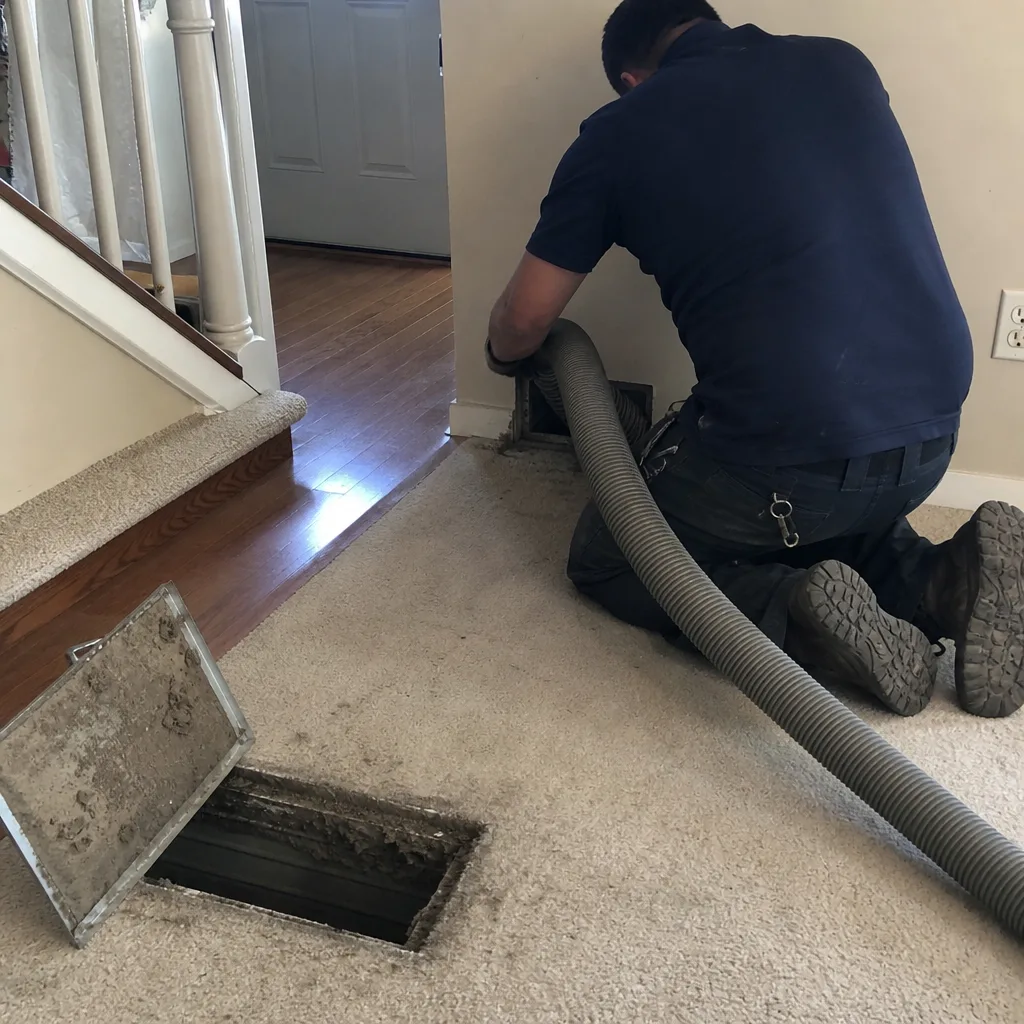
- Verification and documentation. Before-and-after photos of your ducts are your proof the work was actually done. Ask for them. A professional should be willing to show you the return and a representative supply run before cleaning and after.
Pair the annual HVAC cleaning with a dryer vent cleaning visit. Lint accumulation in a dryer vent is a recognized fire-prevention concern, and having both handled in the same service relationship means neither runs on its own forgotten schedule.
Reading Your Return Air Grille as a Leading Indicator
Your return grille is the closest thing you have to a dashboard for the whole duct system. Everything the system pulls in passes through it first. The dust pattern you see on that grille and its frame is a direct read on what’s happening upstream, and most homeowners never look at it as diagnostic information.
What the pattern tells you
- Uniform, thin, light-grey dust across the whole face: normal loading. The filter is doing its job and the return is being pulled evenly.
- A dark streak or heavy band on one side or across the lower edge: air is pulling harder through that section. That can mean the filter is bypassing through a gap at the frame edge, or the return trunk has a restriction that’s channeling flow unevenly.
- Dust pushed through the fins and visible on the room-facing side: the grille is loaded with more material than the filter can catch, which means filter condition or filter fit needs attention first, and the return path likely needs a cleaning.
- Black or very dark grey buildup, or a visible greasy film: car exhaust, cooking residue, or fine smoke particulate loading. If the increase coincides with smoke season in the valley, that’s your indicator.
- Moisture, staining, or a musty smell at the frame: this moves to the red-line category. Move to the red-line section now.
- Rust spots on the grille or the surrounding drywall: also red-line. Moisture is getting where it shouldn’t.
How to read it consistently
Wipe the grille face clean at the start of each season. Then look at it again at the end of that season. The rate of accumulation over a known number of days is a real measurement, not a vibe. If the same grille loaded twice as fast this quarter as last quarter, something changed, and the change is worth diagnosing.
How to Log a Baseline Airflow Reading at Your Registers
You don’t need a flow hood to build a useful baseline. You need a consistent method and a written record. The purpose is comparison, not precision. If you do this once, at the same time of year, with the same system settings each time, you’ll have a valid record for the life of your home’s HVAC system.
- Pick a consistent day. Same approximate outdoor temperature, same system mode (heat or cool), same thermostat setpoint, filter recently changed. Consistency is the whole trick.
- Number your registers. Sketch a simple floor plan on a piece of paper and number every supply register and every return grille. Keep it with your log.
- Use a repeatable airflow test. Two options work well for homeowners. The first is a strip of lightweight tissue taped to a pencil and held at a consistent distance from each register face – note the angle it reaches. The second is a cheap handheld anemometer held at the same distance at each register. Either is fine; consistency matters more than accuracy.
- Record three numbers per register: the flow reading (tissue angle or anemometer reading), the temperature of the air coming out compared to the air at the return, and a one-word note about how it feels on your hand. All three are indicators and together they catch more than any single one.
- Repeat at the same time each year. The comparison between year-over-year baseline readings is where the value sits. A register that produced a strong reading for the first three years and now reads noticeably weaker is telling you something – possibly duct collapse, possibly blower wear, possibly a sealing problem.
- Bring the log to your annual service. A technician with your history can go straight to the register that’s off and inspect the run behind it.
The log is worth more than any single inspection because it’s yours. A system that reads strong every year through the same method is a system you can leave alone. A system whose numbers are drifting is a system worth inspecting early.
West Jordan-Specific Triggers for Unscheduled Inspection
West Jordan’s geography produces three conditions that push the system harder than a generic annual schedule assumes. Each of these warrants an unscheduled inspection rather than waiting for the calendar to come around.
- Post-wildfire-smoke events. Wildfire smoke from fires in the region pushes fine particulate into the Salt Lake Valley, and the valley’s geography tends to hold it. If your area has been under a smoke advisory for a stretch of days, check your filter and your return grille within a week of the advisory ending. Smoke particles are fine enough to load the filter media faster than ambient dust, and the return path takes on material the filter doesn’t catch.
- Spring inversion events. The same valley topography that holds smoke in summer holds fine particulate during spring inversions. If the community has been under an inversion advisory for several consecutive days, add an inspection to your quarterly check and treat the filter as due regardless of how many weeks it’s been in service.
- Dust events from valley wind and nearby construction. West Jordan has seen a lot of construction activity in recent years, and wind events push fine particulate around. Any stretch where the sky is visibly hazy with dust, or your outdoor furniture shows new accumulations, is a trigger to look at the return side of the system.
One of the most useful things you can do as a West Jordan homeowner is track these events against your system log. When you write “smoke advisory – five days” next to a date on your log, and then the return grille loads twice as fast next month, you have a documented cause and effect. That’s the kind of record that makes the case for a professional inspection without guessing.
Red-Line Conditions: When “Monitor” Becomes “Call Now”
Most checklist items are “watch and see.” A few are not. These are the conditions where the right move is to stop watching and get a professional out. We answer 24/7, and fast dispatch runs from 7am to 7pm, Sunday through Friday, so there’s no reason to sit on a red-line item overnight.
Flex duct collapse or separation
Flex duct is common in West Jordan homes and it’s also the most common failure point in a duct system. Look for a run that’s visibly pinched, sagging between supports, or has a section that’s compressed in a way the neighbors aren’t. In an attic or crawlspace, look for a collar where the duct has slipped off or where the tape has failed. Flex duct that has collapsed at a pinch point chokes the supply for every register downstream. This is a repair, not a cleaning, and the longer it sits collapsed, the more likely it’s driving excess load on the blower. Call it in.
Mold-adjacent moisture readings
If your return grille shows moisture, staining, a discolored ring, or you smell a musty, earthy odor that gets stronger when the system runs, that’s red-line. Visible mold inside a return duct or at a register is red-line. Anything that points to standing water or chronic moisture in the air handler or a duct run is red-line. This is a scenario where cleaning runs first, sanitizing runs after, and the moisture source gets identified so the problem doesn’t come back. Do not continue running the system in a “wait and see” pattern when moisture is involved – the system is moving that moisture into the whole house.
Other conditions that move to “call now”
- A register producing warm air in cooling mode, or cold air in heating mode, with a strong suspicion that a duct has separated from the boot.
- A whistle at a register that started suddenly.
- Any visible pest intrusion – droppings, nesting material, or a live or dead animal – in or around a register or the air handler. This is a cleaning and sanitizing job, not a vacuum job.
- Any visible accumulation of black or oily residue on an air handler component, which can indicate a mechanical or electrical problem that needs a licensed HVAC professional. Turn the system off and call.
- An unusual chemical or burning smell when the system runs, which points to a component problem rather than a dust problem. Turn it off and call.
One safety note built from professional experience: your ducts connect to your HVAC system’s electrical components and, in many homes, run through spaces with gas appliances and wiring. Do not open panels, remove duct runs, or reach into an air handler to inspect. A trained technician has the equipment and the knowledge to inspect safely, and the work is not worth the risk.
Common Mistakes to Avoid
- Treating the filter as the whole checklist. Filters are one line on a real checklist. Duct condition, return grille loading, flex duct integrity, blower condition, and moisture are all more consequential than the filter and all get missed if you only track filter changes.
- Judging a cleaning quote on the headline number. The lowest quote in a West Jordan search almost always corresponds to a setup without true negative-pressure containment, which means dust goes back into the room. A flat price for the whole system, with before-and-after photos, is what tells you whether the number is real.
- Skipping the follow-up humidity check after a cleaning. A cleaning without resolving the moisture source just means the moisture problem starts over from a cleaner baseline. If your service doesn’t verify the moisture cause, ask why.
- Ignoring the spring and summer loading cycle. Homeowners in West Jordan who ignore the wildfire-smoke and inversion triggers end up with a return path loaded twice as fast as the annual calendar assumes. Track the events, and respond to them.
- Running the system through a visible moisture problem. If any register is producing musty air, or anything near the air handler is damp, stop using the system to “see if it settles.” Every hour of running moves more moisture through the ductwork.
- Not asking for before-and-after photos. A professional-grade cleaning documents itself. If a technician won’t show you the condition of your return and a supply run before and after, you have no way to verify the work was done on your home.
- Forgetting the dryer vent on the same service schedule. Dryer vents have their own accumulation problem, and they’re also a fire-prevention concern. Pair the schedule with the duct work rather than running two calendars.
See the difference
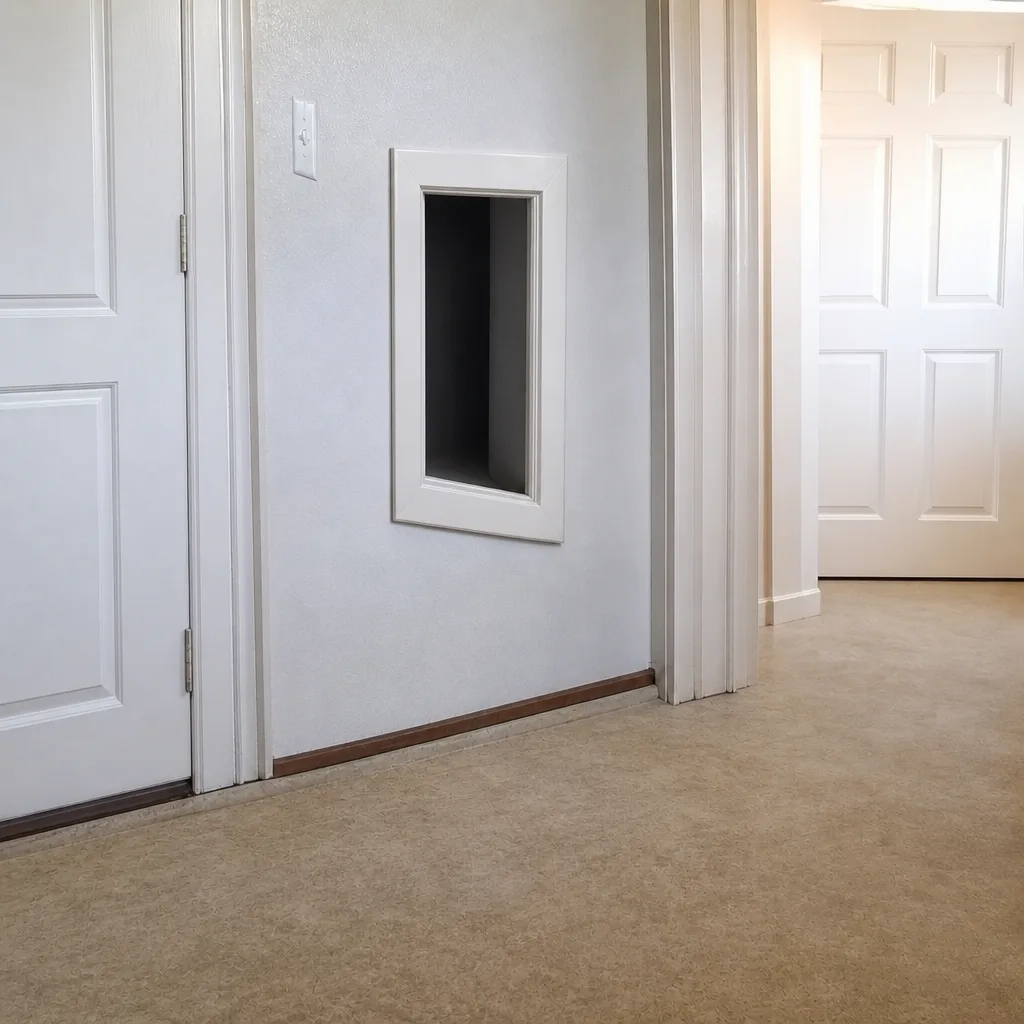
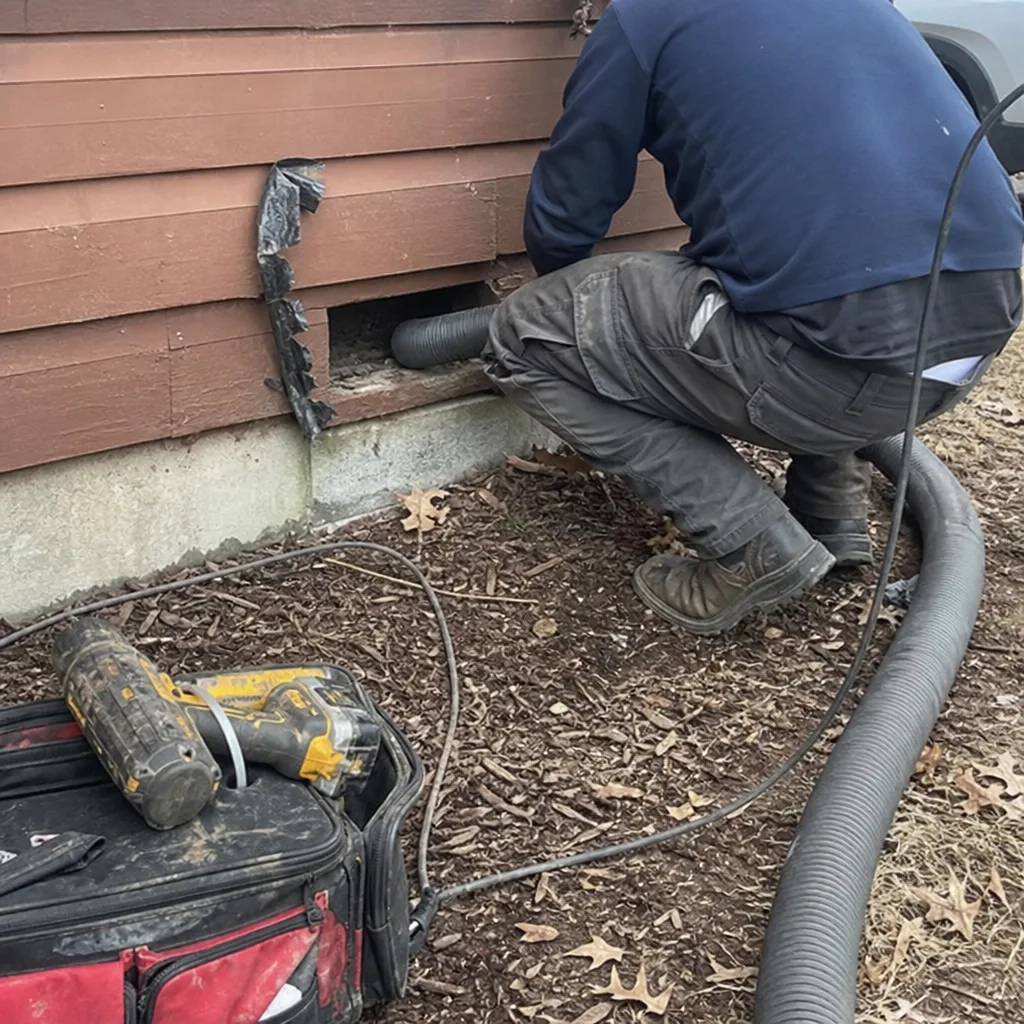 Before
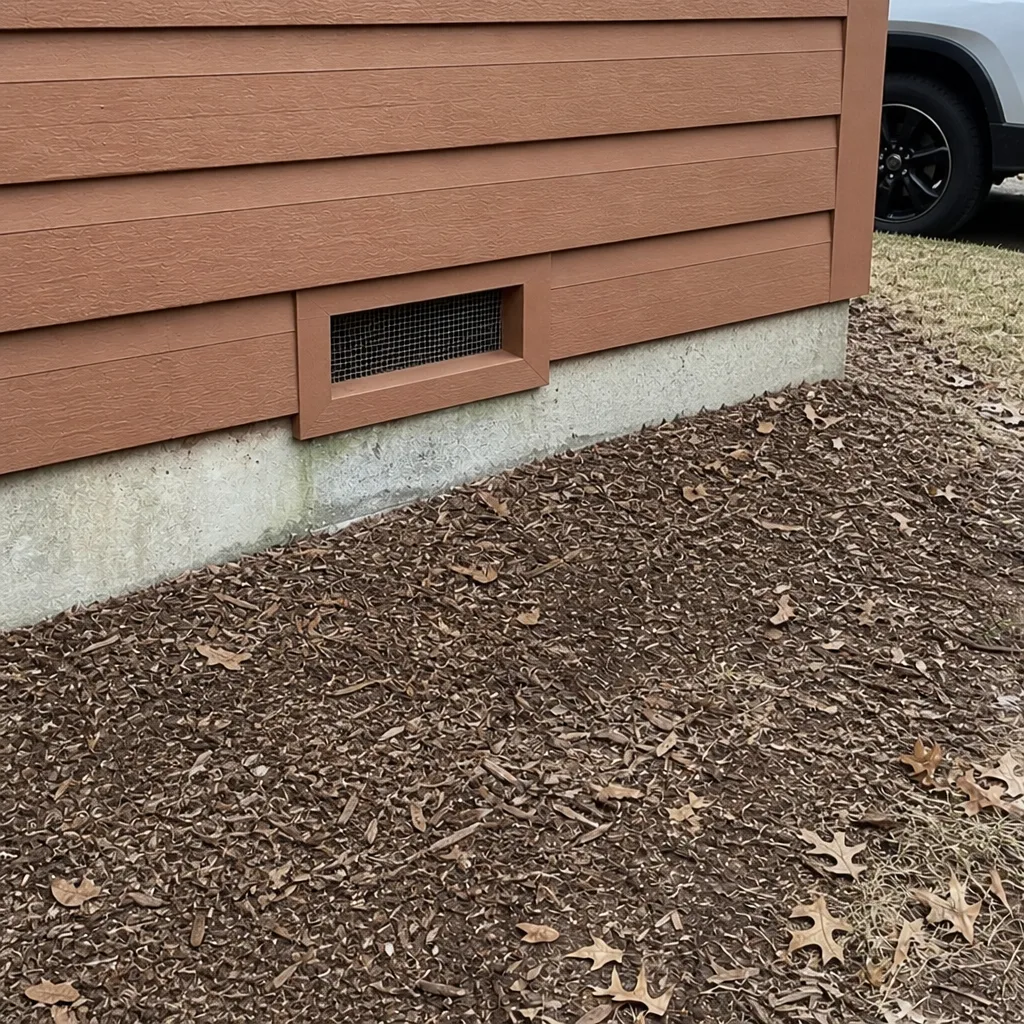 After
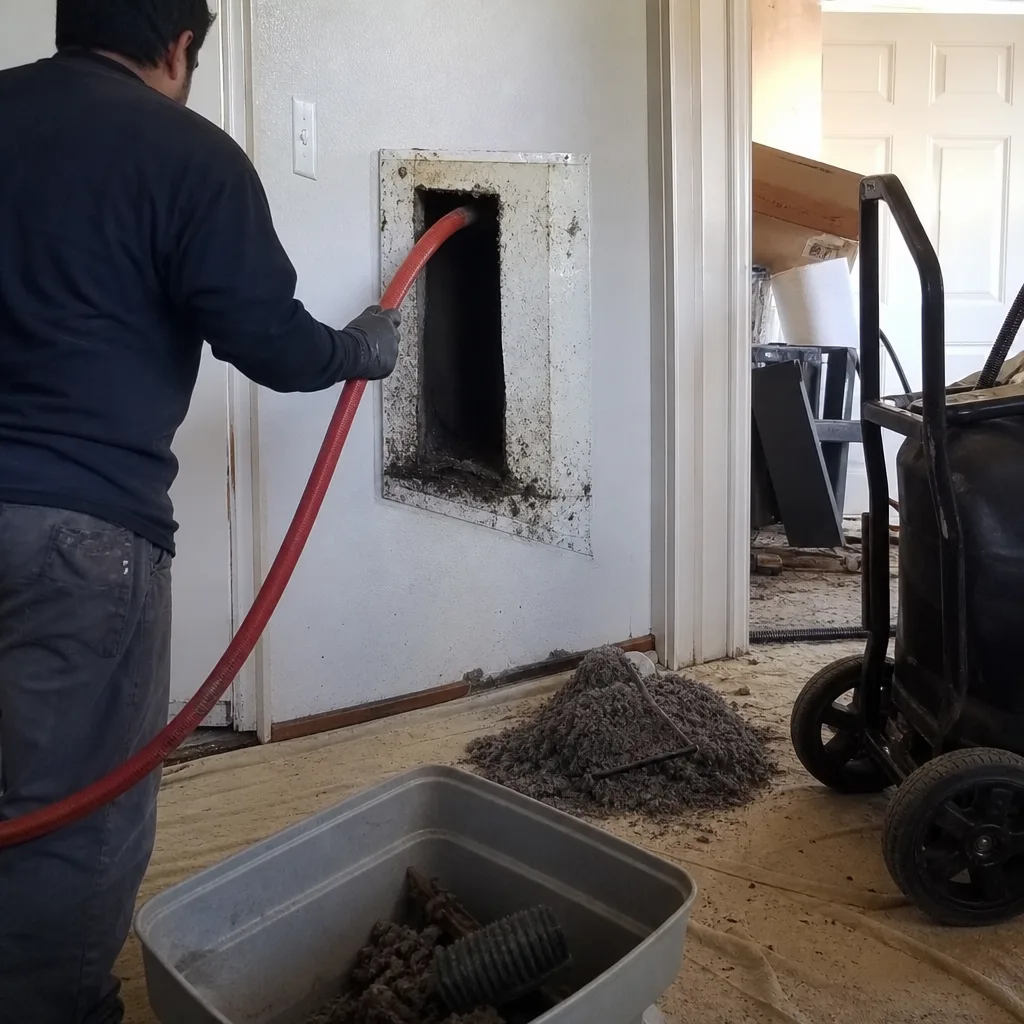 Before
 After
 Before
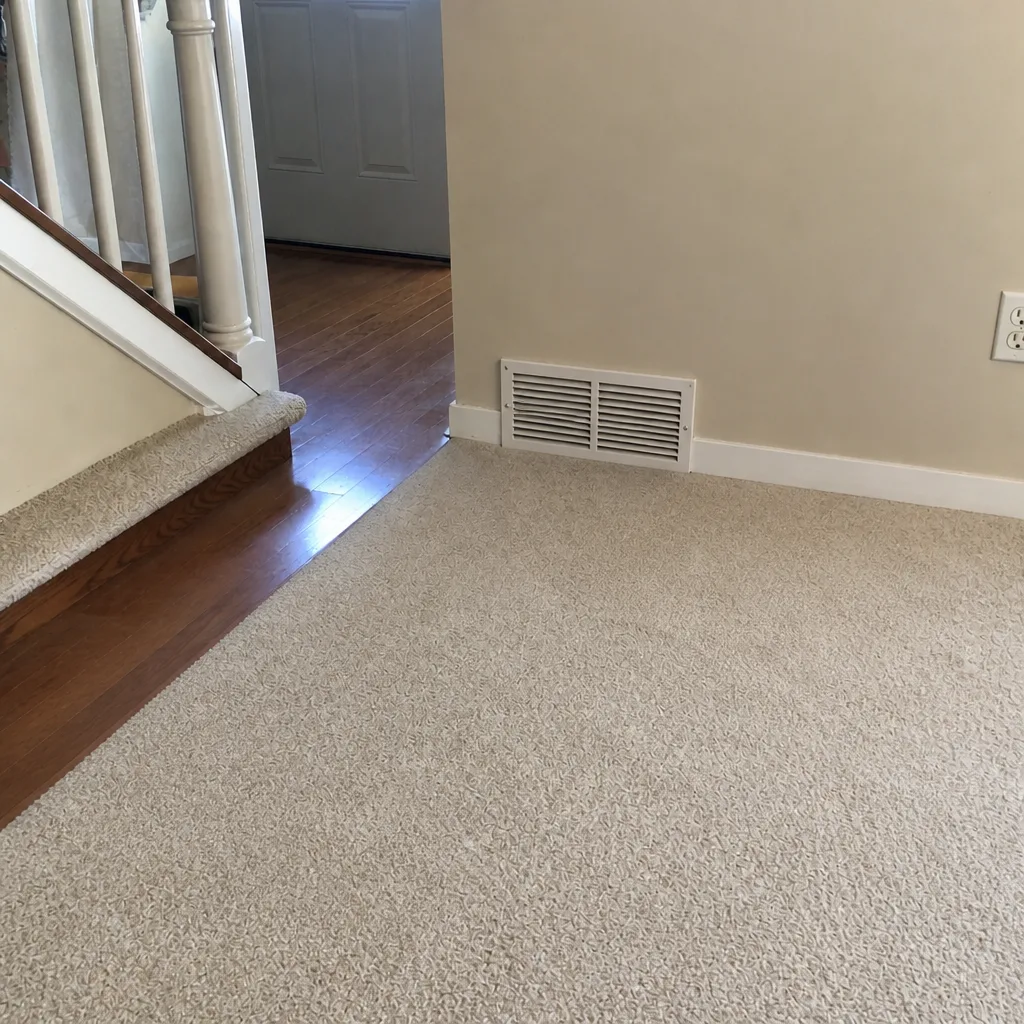 After
When to Call a Professional
Call a professional when a checklist item lands on a red-line condition – collapsed flex duct, moisture or visible mold at a return, pest intrusion, a burning smell, or an airflow change that came on suddenly. Call when your annual service comes due and you want a cleaning that includes full HVAC cleaning, sealing inspection, and verification with before-and-after photos. Call when your baseline airflow readings have drifted on more than one register, because drift on multiple registers is a system-level issue, not a single-run issue.
West Jordan Air Duct Cleaning Pros offers free estimates in West Jordan – call (844) 713-5742. We answer 24/7. Fast dispatch from 7am to 7pm, Sunday through Friday. Our technicians have up to 11 years of experience working with professional-grade systems, and we carry the equipment and the product ecosystem – Rotobrush, Nikro, Honeywell, Aprilaire, Abatement Technologies, Guardsman – to clean, seal, and verify the whole path from the return to the register.
Frequently Asked Questions
The answer depends on conditions, not a fixed calendar. A household with pets, construction activity nearby, or regular exposure to smoke and inversion events warrants inspection annually and cleaning when the inspection shows loading. A household whose baseline airflow readings stay steady and whose return grille loads at a normal, even rate can sometimes stretch the interval. Track the conditions and let the evidence set the schedule rather than a generic “every three years” rule.
You can get most of the way there. The observable indicators – return grille dust pattern, register airflow consistency, musty smells, new dust buildup near supply registers, and loaded filters – are all things a homeowner can track monthly. The remaining work, like inspecting duct runs inside an attic or crawlspace, checking flex duct integrity, or verifying blower and coil condition, requires a professional. That split is exactly what the checklist in this guide is built around.
A professional cleaning uses negative-pressure containment on the return side while rotary brushes agitate the inside of the ducts, so material is pulled into a containment unit rather than pushed into the room. In our experience the equipment difference is the whole ballgame. Professional-grade systems like a Rotobrush or a Nikro setup are the same class of equipment used on commercial and industrial jobs. A shop vac setup doesn’t create that containment, so it can’t remove what it loosens.
Your ducts are part of your HVAC system, and the blower, evaporator coil, and air handler sit inside the same air path. Cleaning the ducts while leaving the equipment untouched means dirt that’s on the coil and blower can move right back into the ducts shortly after the cleaning. Full HVAC cleaning addresses the equipment and the ducts together, which is why we offer it as a single service rather than a separate add-on. For the West Jordan climate, that keeps the whole system on one maintenance rhythm.
No. Sanitizing is worth doing when the inspection shows evidence that biology is present in the ducts – visible growth, a persistent musty smell that’s coming from the duct path, moisture staining, or pest intrusion – and it’s not something every cleaning needs. We use Guardsman and Abatement Technologies solutions post-cleaning to reduce microbial load when the evidence calls for it. The right technician will explain what the inspection found and recommend accordingly.
Often, yes. A very low headline quote usually corresponds to a setup without full containment, a scope that only touches the visible openings, or per-vent pricing that leaves the actual coverage short of the whole system. In our experience the most useful question to ask is what the flat price covers and whether you get before-and-after photos of your own ducts. A price for the full system, agreed before work starts, is the number you can compare on. Call (844) 713-5742 for an estimate – the estimate is free.
Check within a week of the advisory ending. Look for a heavier dust loading than the previous season, a darker color profile, or faster accumulation in the month that follows. Both are signs the return path took on more fine particulate than usual. Smoke-season loading also typically warrants replacing the filter and adding an inspection of the return run ahead of the normal annual schedule.
The Bottom Line
A duct maintenance checklist is a diagnostic rhythm, not a reminder list. Check the filter, the return grille pattern, and register airflow monthly. Align the deeper checks with West Jordan’s seasons: spring wind and pollen, summer heat and insulation exposure, late-summer wildfire smoke loading, and winter’s dry run cycle. Build a baseline reading so you have a comparison point. Watch for inversion and smoke events and treat them as unscheduled inspection triggers. And hold a firm line at the red-line conditions – collapsed flex duct, moisture, pest intrusion, burning smells – because those aren’t wait-and-see items. The guide works because it turns “should I clean my ducts?” into a question you can answer with evidence, and calls for professional help when the evidence says so.
If your checklist has moved past “monitor,” West Jordan Air Duct Cleaning Pros offers a full system approach – clean it, seal it, verify it – with professional-grade equipment and a service relationship that includes repair, sealing, sanitizing, and dryer vent cleaning on the same schedule. Call (844) 713-5742 for a free estimate. We answer 24/7. Fast dispatch from 7am to 7pm, Sunday through Friday.
Written by the team at West Jordan Air Duct Cleaning Pros.