
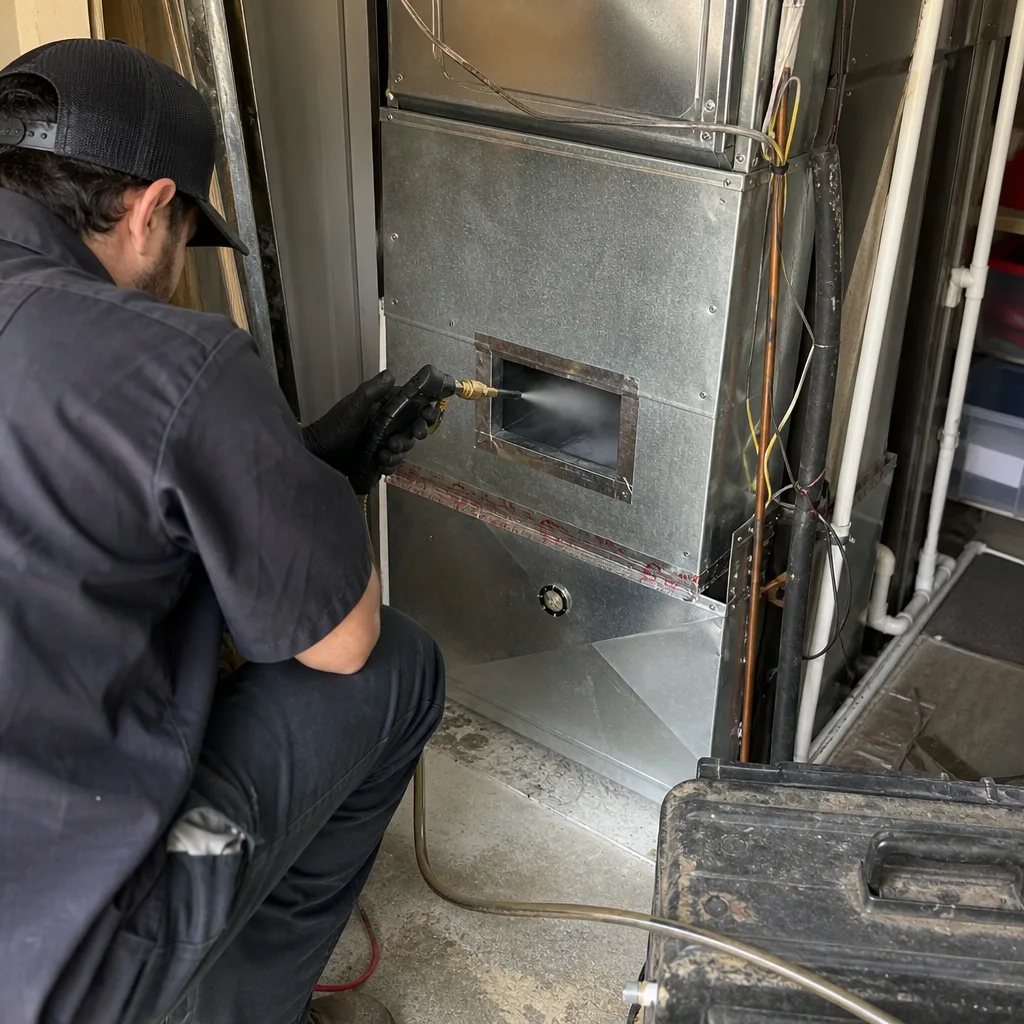
Last updated November 24, 2026
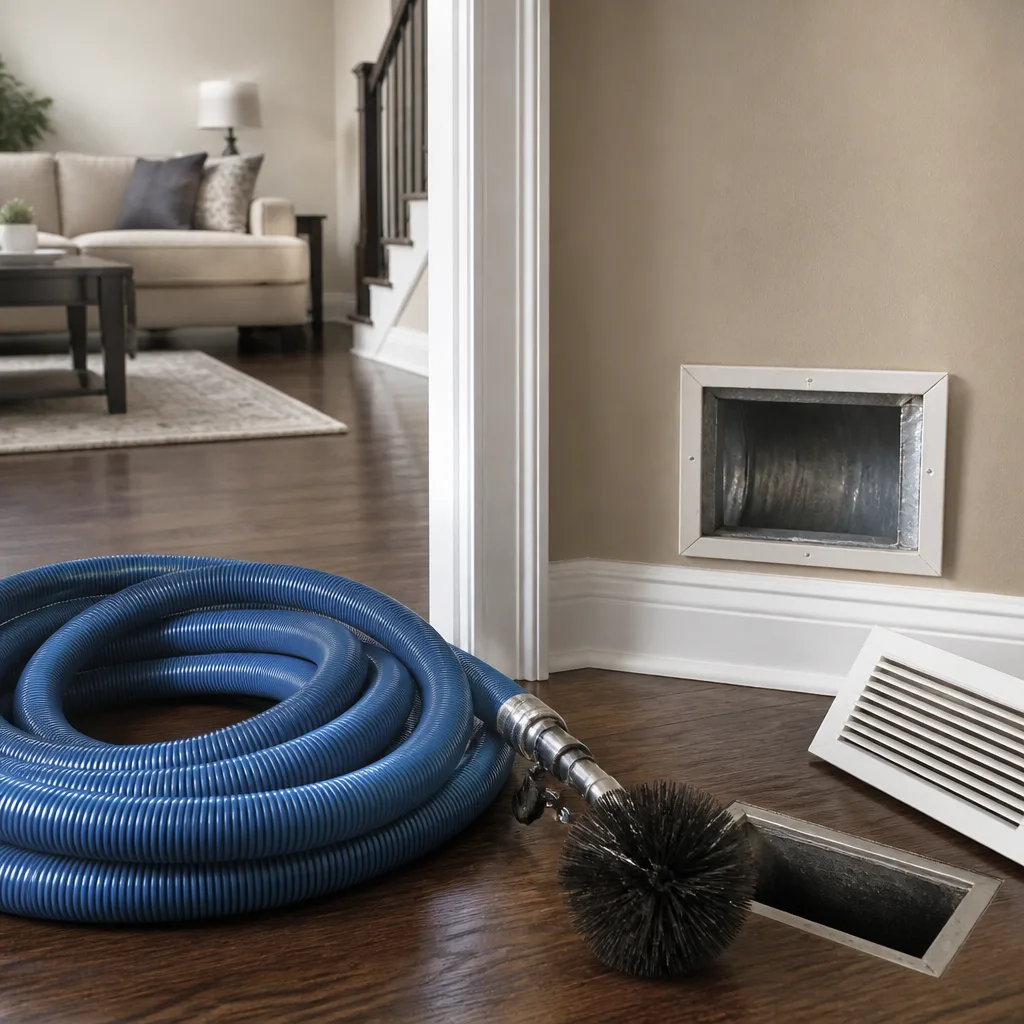 Whole-home duct cleaning
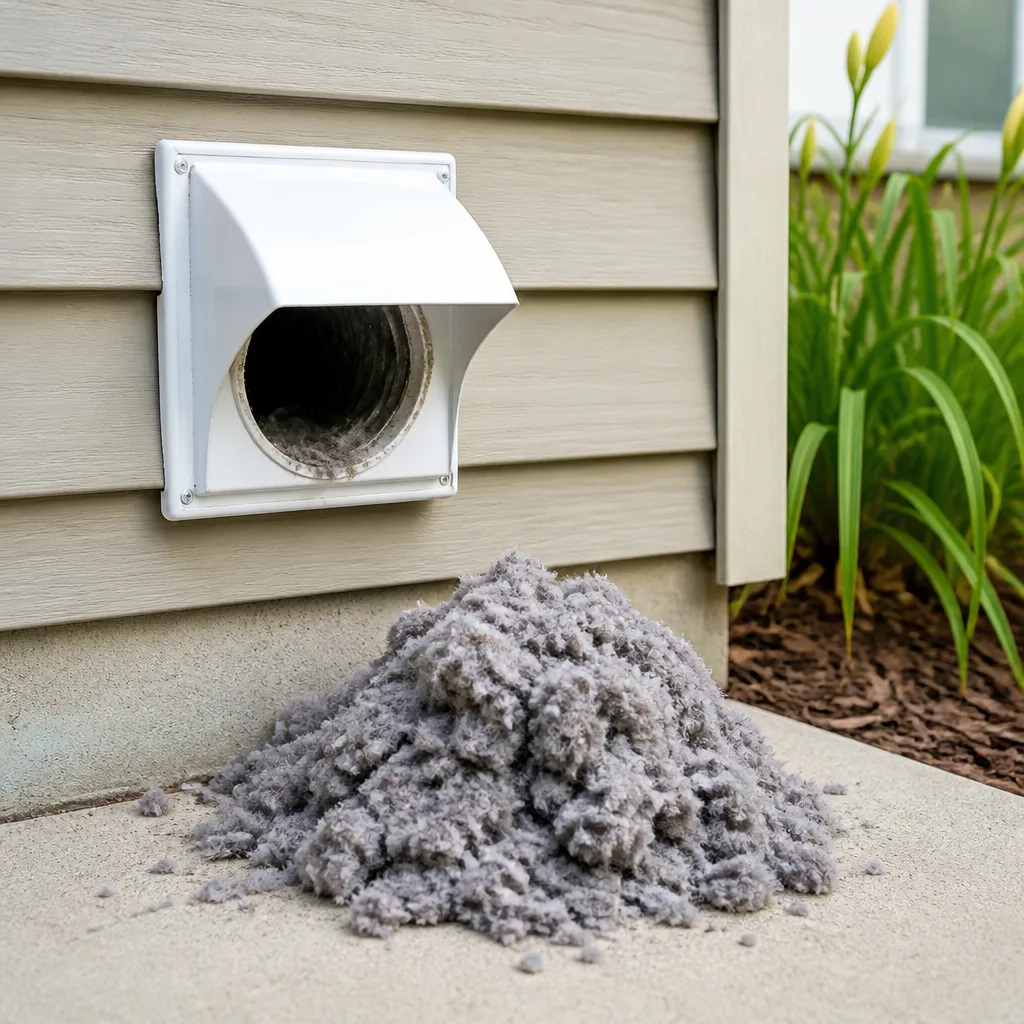 Dryer vent cleaning
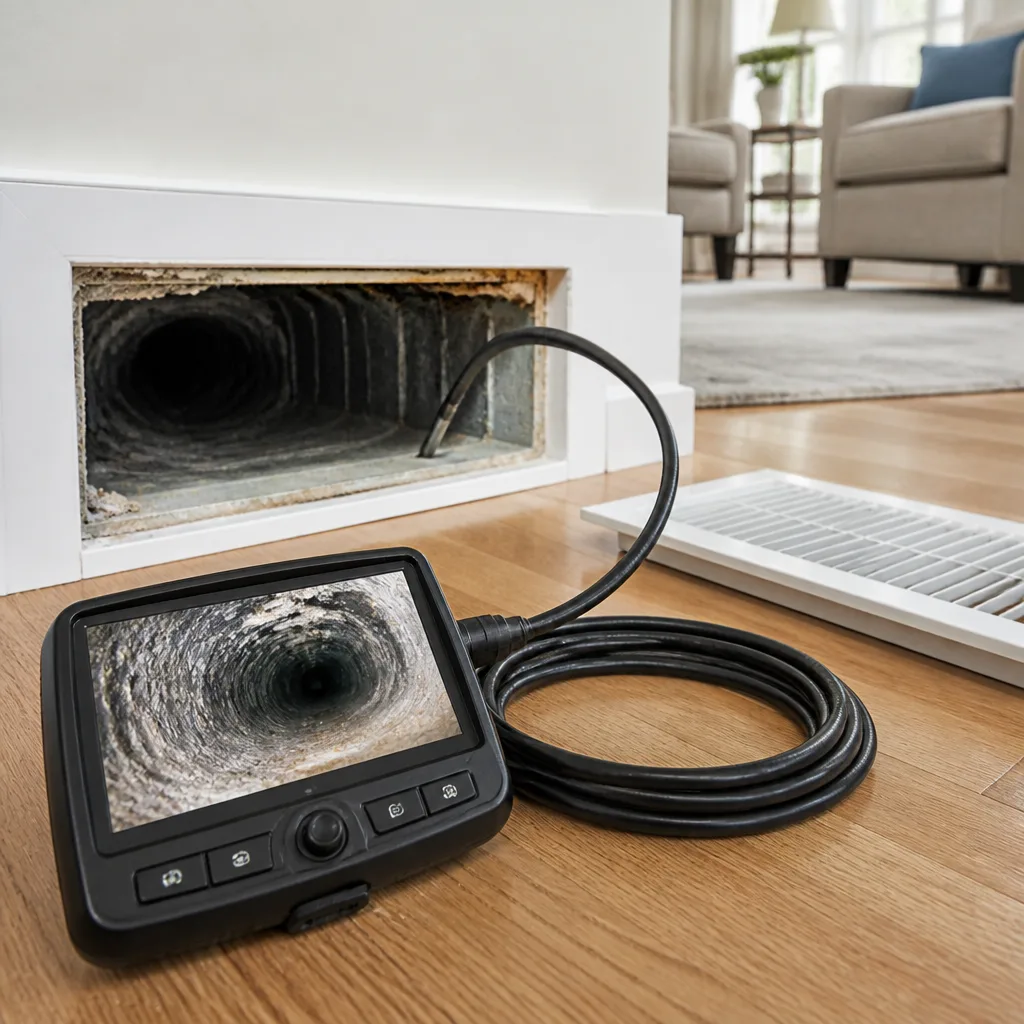 Camera inspection
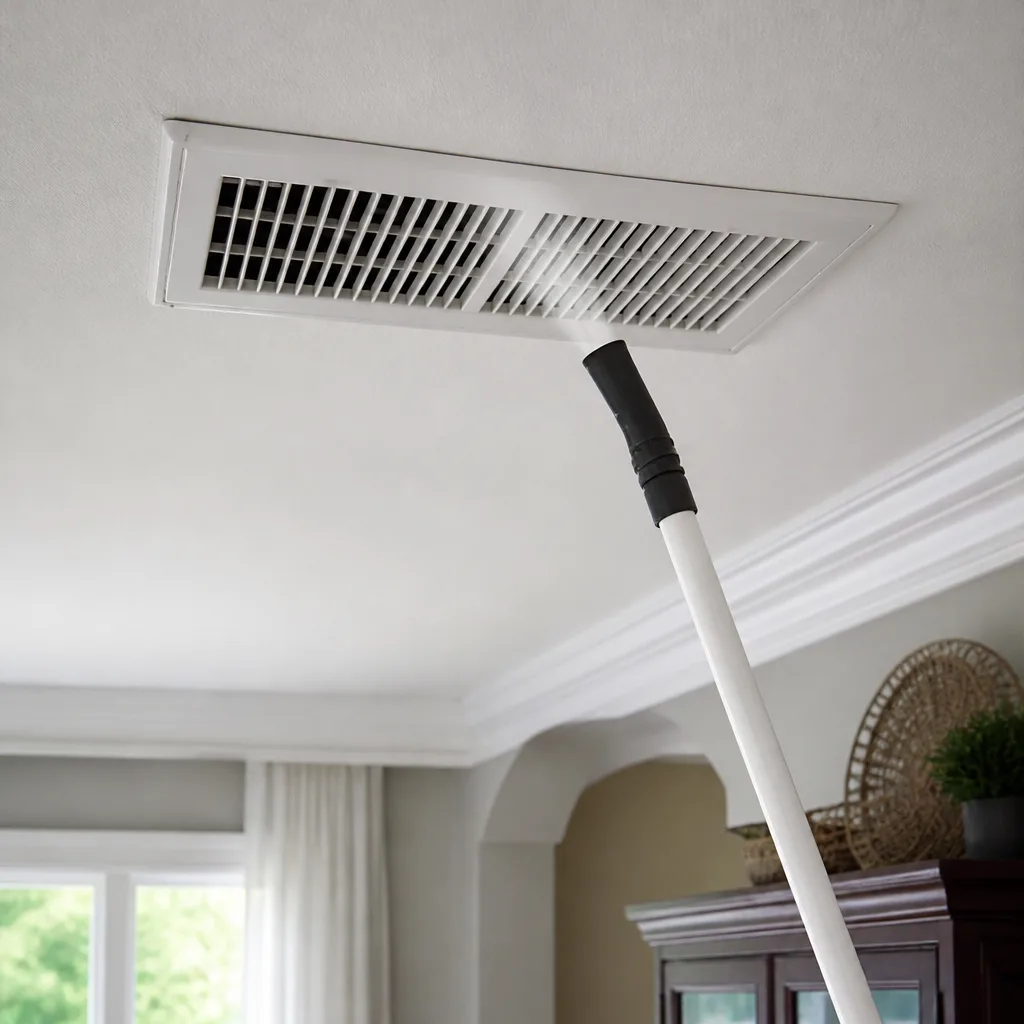 Sanitizing & deodorizing
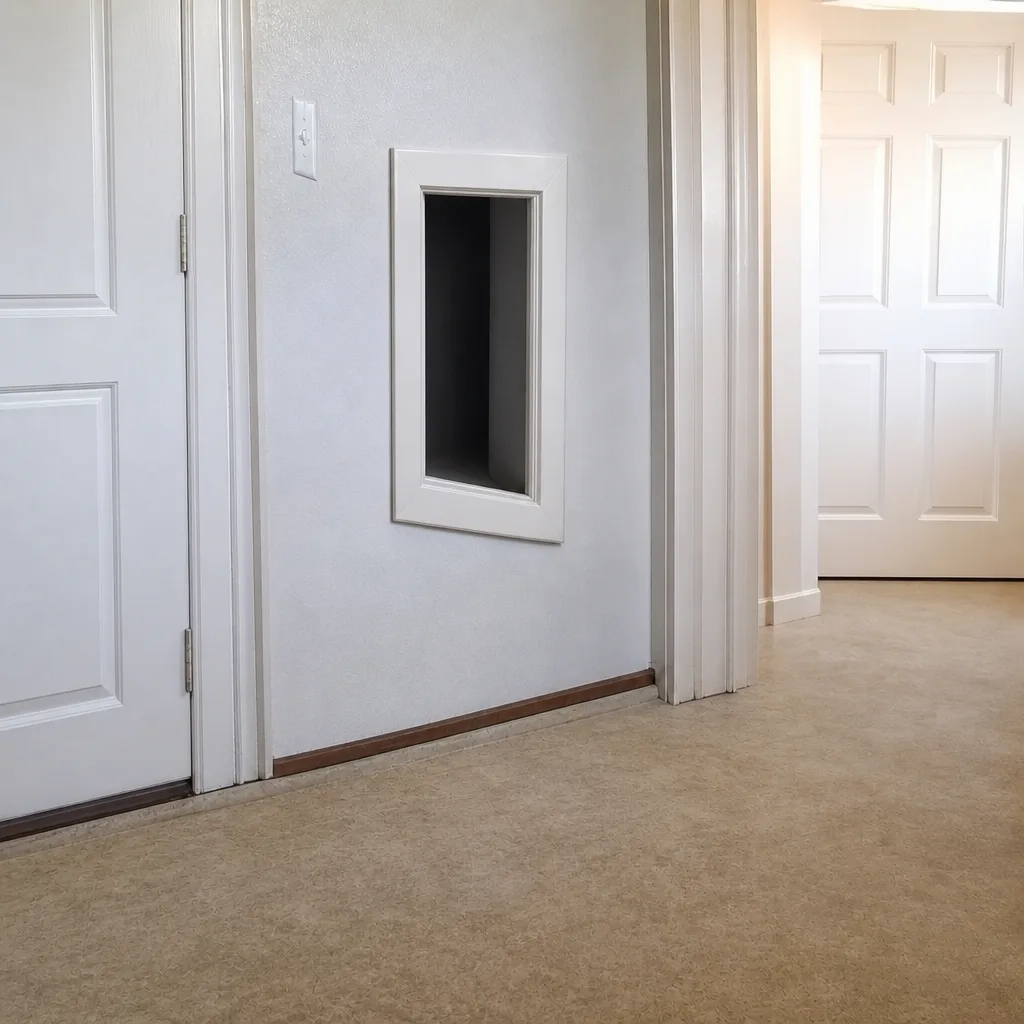
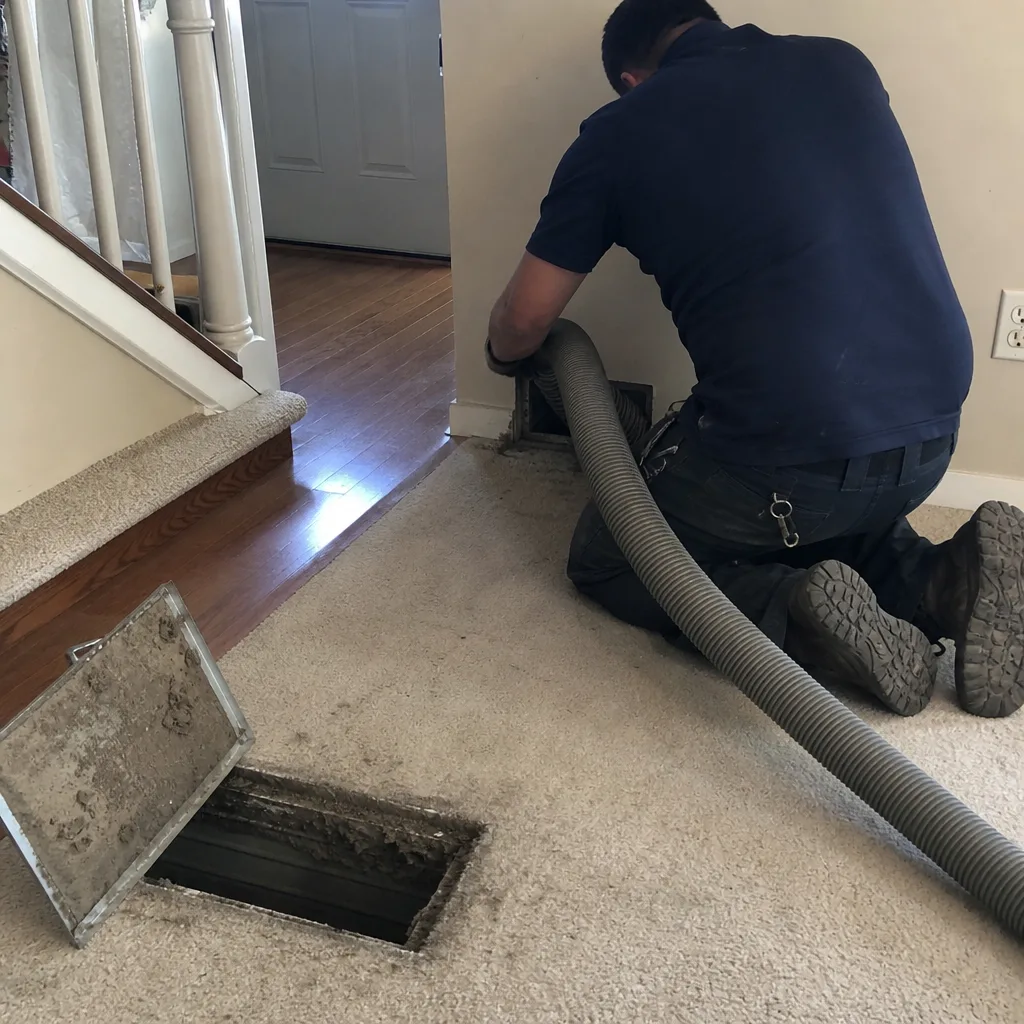
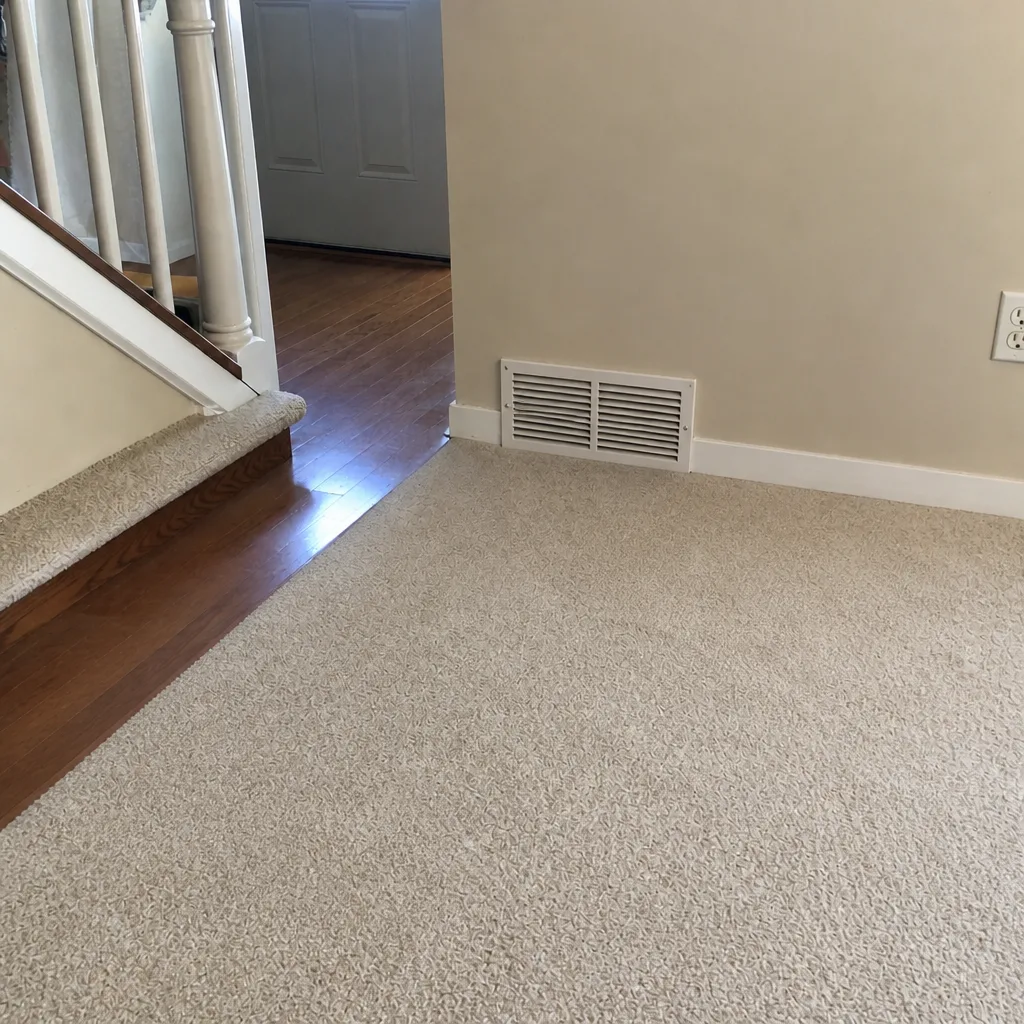
Whole-system duct and dryer vent check with before-and-after photos - you see exactly what came out of your vents
That "$99 whole-house special" is a bait ad - the real number appears once they are in your hallway, or the "clean" is a shop-vac at the register. We photograph the inside of your ducts before and after instead.
Seasonal Air Duct Cleaning Care for West Jordan: Year-Round Homeowner’s Guide
Most homeowners treat duct cleaning as an annual chore, something to check off before the holidays. That’s the wrong mental model, and it hides what actually matters. Your ductwork doesn’t care what month it is. It cares how many hours your blower has run, what was in the air it pushed, and whether the system pulled moisture into a cold metal box. In West Jordan, those variables swing hard from January to July. Winter inversion air is a different animal than August evaporative-cooling humidity, and each season loads your ducts with a different kind of debris. This guide maps each season to the specific things worth checking, and shows you how to build a service log around runtime hours instead of calendar dates.
Quick Answer
In West Jordan, duct care is seasonal because the threats change: winter inversion season loads return systems with fine particulate while fresh-air exchange drops, spring brings the year’s heaviest load of pollen and landscaping soil, summer evaporative cooling raises duct humidity and mold risk in July and August, and fall is when you check the system before the furnace runs hard. The most accurate service trigger isn’t a date on the calendar. It’s your home’s accumulated blower runtime hours combined with what you’re seeing and smelling.
Styles & brands we work with
- Whole-home duct cleaning
- Dryer vent cleaning
- Camera inspection
- Sanitizing & deodorizing
Table of Contents
- Why Seasonal Care Beats an Annual Cleaning in West Jordan
- Winter: Inversion Season and Your Return System
- Spring: The Highest-Load Period for West Jordan Ducts
- Summer: Evaporative Cooling, Duct Humidity, and Mold Windows
- Fall: Pre-Heating-Season Inspection Priorities
- Building a 12-Month Log Around Runtime Hours
- What You Can Check Yourself Each Season
- Common Mistakes to Avoid
- When to Call a Professional
- Frequently Asked Questions
Why Seasonal Care Beats an Annual Cleaning in West Jordan
A single yearly cleaning treats every month as if it were the same. It isn’t. The air moving through a West Jordan home in February is loaded with fine winter particulate held close to the ground by temperature inversions. By April, the dominant load has shifted to pollen and soil dust kicked up by landscaping. By August, the concern is moisture. If you clean in October and skip everything until next October, you’ve addressed one season’s problem and ignored three others.
Think of your ducts the way you’d think of any mechanical system. Your ducts are part of your HVAC system, not a separate piece of housekeeping. The blower moves a fixed volume of air through them every hour it runs. That air carries whatever is suspended in it. So the questions worth asking are: what has been in the air, how many hours has the blower run, and has anything gotten wet? Those three answers change by season, and they change the kind of work the system needs.
West Jordan sits in a valley where several of those factors stack. Winter inversions trap particulate near the ground. Spring landscaping season disturbs soil across neighborhoods from Copper Hills out toward the newer subdivisions on the west side. Summer heat pushes homeowners toward evaporative cooling, which adds moisture to the airstream. None of that is a reason to panic. It’s a reason to time your inspections differently and to know what you’re looking for each season.
Seasonal care also lets you catch small problems before they compound. A loose duct joint in spring, before pollen season peaks, costs far less to fix than the same joint after a summer of pulling humid air into a wall cavity. Clean, seal, and verify is a sequence that works better when you run it at the right time of year.
Winter: Inversion Season and Your Return System
Salt Lake Valley inversions regularly push fine particulate air pollution into unhealthy territory during the winter months. This matters for your ductwork in a specific way. When the inversion is active and your furnace is cycling, your system is pulling return air from inside your home and redistributing it through every supply register. If your ducts hold accumulated dust, that dust gets stirred and re-suspended along with the particulate that’s already outside. A return system is only as clean as its last full cleaning.
Winter also changes how fast debris accumulates, and not in the direction most people assume. You close the house up. Windows stay shut. Fresh-air exchange drops to near zero. The same air volume recirculates through the duct system dozens of times a day. That means fine particulate that would otherwise drift out an open window instead settles in your ductwork, your filter, and your return plenum. The accumulation rate per runtime hour is higher in January than in June.
What to check before March
- Filter grade and condition. A MERV upgrade helps capture more fine particulate during inversion season, but a higher-MERV filter also loads faster. Check it more often than the packaging suggests. If you run a Honeywell or Aprilaire filtration cabinet, that media has its own replacement interval.
- Return grille dust. Look at the return grille face. Visible gray fuzz means the return side is loading and pulling dust toward the blower.
- Blower wheel condition. The blower wheel is a centrifugal fan with blades. It accumulates dust, and a loaded wheel moves less air. A technician can check it as part of full HVAC cleaning.
- Register airflow balance. If one room feels weaker than last winter, the problem could be a partially disconnected run or a damper issue, not just a dirty filter.
By early March, before spring landscaping begins, you want to know the state of your return system. That’s the single highest-value inspection window in the West Jordan calendar because the next two months will add the heaviest particulate load of the year.
Spring: The Highest-Load Period for West Jordan Ducts
Spring is the highest-load period for a West Jordan return system, and most homeowners don’t see it coming. Two things happen at once. Landscaping season starts, and every rototiller, mower, and edger in the neighborhood lifts fine soil into the air. Pollen counts climb alongside it. Meanwhile, homeowners start opening windows for the first time since fall, which lets outdoor particulate in at the same time the furnace is still cycling on cool mornings.
Soil dust is a specific problem because of its size and composition. Fine silt particles pass through standard filters more easily than lint or pet hair, and once they settle inside duct runs, they don’t move again until the airstream disturbs them. Pollen is stickier. It tends to clump in the return plenum and on the blower wheel.
The newer subdivisions west of Bangerter Highway are especially exposed. Newer construction often means active landscaping in nearby lots, disturbed soil around foundations, and construction dust from ongoing builds. Copper Hills and the neighborhoods closer to the Oquirrh foothills get wind-driven dust on top of that. If any of this sounds like your area, spring is when you want the system checked, not fall.
Spring checklist
- Inspect the return plenum before AC season. Any standing dust there will get pushed through the whole system once cooling starts.
- Check duct joints exposed in the garage or crawlspace. Spring temperature swings make taped joints fail faster than steady cold.
- Confirm filters are seated properly. A filter that doesn’t fit its slot lets unfiltered air bypass it entirely. That’s a common finding in spring inspections.
- Look at the coil area. If your AC coil picks up spring pollen, cooling efficiency drops all summer. Coil cleaning is part of full-system care and gets skipped by a duct-only vacuum.
Professional air duct cleaning in spring, before the cooling season begins, addresses the accumulated winter and pollen load while the system is between heavy-use cycles. It’s also the cleanest baseline you can establish if you’re planning to track runtime hours across the year.
Summer: Evaporative Cooling, Duct Humidity, and Mold Windows
This is where West Jordan homes diverge from homes in humid climates, and where a lot of generic duct advice falls apart. Many West Jordan homes run evaporative coolers, or swamp coolers, for part of the summer. An evaporative cooler adds moisture to the airstream by design. That moisture travels through the ductwork. In July and August, when outdoor temperatures are highest and the cooler runs its longest cycles, the duct system is the wettest it gets all year.
The mold-risk window
Mold needs moisture and organic material, and ductwork with accumulated dust provides the organic material. The specific risk window runs from the first sustained stretch of evaporative cooling in July through the late-summer afternoons in August when temperatures peak. Two conditions raise the risk:
- Cooler pads that are over-saturated or poorly maintained. Excess water bypasses the pad and enters the airstream.
- Duct runs through unconditioned spaces. A duct carrying cool, humid air through a hot attic or garage can condense moisture on its exterior and interior surfaces.
Watch for these signs during July and August: a musty smell that appears a few minutes after the cooler starts, visible condensation stains near registers, or allergy symptoms that flare even when windows are shut. Any of those means moisture is getting into a place it shouldn’t be.
Sanitizing after cleaning is the right response when microbial growth is suspected. Solutions like Guardsman and Abatement Technologies are formulated for post-cleaning microbial reduction. That’s different from spraying a fragrance over a dirty duct. The sequence matters: clean it, verify it’s dry, then sanitize.
If you switch between refrigerated AC and evaporative cooling during the summer, the transitions matter too. A system that runs AC in the morning and evaporative cooling in the afternoon is cycling moisture through ductwork that started the day dry. That pattern accelerates wear at duct joints and seals. It’s one reason fall inspections are worth doing.
Fall: Pre-Heating-Season Inspection Priorities
Fall is the season most homeowners associate with duct cleaning, and it’s a reasonable time to do it, but not for the reason most people think. The real value of a fall inspection is that it happens before the furnace runs hard, which means problems found now are cheap to fix and problems missed now get expensive in January.
The single most important fall check is heat exchanger adjacency. Your heat exchanger sits inside the furnace, and the supply plenum sits directly above it. Any accumulated dust, debris, or pest material in that plenum will get pulled into the airstream the first time the furnace fires. A technician doing full HVAC cleaning inspects the heat exchanger area and the supply plenum together, because they’re physically adjacent and functionally linked.
Fall inspection priorities, in order
- Supply plenum clearance. Confirm it’s clear before the first furnace cycle of the season. This is the highest-priority fall item.
- Heat exchanger adjacency check. Visual inspection of the area around the exchanger for dust, debris, or corrosion. Never open the exchanger housing yourself. It’s a sealed component, and a trained technician should handle any inspection that requires opening the furnace cabinet.
- Duct joint and seal inspection. Summer temperature swings and moisture cycling loosen taped joints. Fall is when you catch them before heating season pressurizes the system.
- Register and grille cleaning. The surface where air enters each room collects the year’s dust.
- Filter replacement. Change to your winter filter grade before the first cold snap.
One safety note worth stating plainly: anything involving the furnace cabinet, gas components, or the heat exchanger itself is work for a trained professional. Carbon monoxide risk from a compromised heat exchanger is real, and it’s not something to check by eye with a flashlight. If you suspect a problem, stop and call.
Building a 12-Month Log Around Runtime Hours
Calendar-based duct cleaning advice assumes every home runs its HVAC the same number of hours. They don’t. A West Jordan home with a large family, a pet, and a house that stays occupied all day runs its blower far more hours per year than a home where everyone’s gone from morning to evening. The first home will need service on a different schedule than the second, even if they’re the same size on the same street.
Runtime hours are the more accurate service trigger. Here’s how to build a log that actually tells you something.
What to record each month
- Approximate blower hours. Some smart thermostats track this directly. If yours doesn’t, note the season and whether the system ran continuously or cycled.
- Filter change dates and grade. A higher-MERV filter loads faster, so tracking grade alongside change dates shows you the real interval.
- Visual observations. Register dust, musty smells, weaker airflow in specific rooms, unusual noise.
- Seasonal events. First furnace cycle of fall, first evaporative cooler start of summer, major landscaping work nearby.
- Any small duct repairs or resealing. Sealed joints get re-sealed eventually. Note what was done and when.
Turning the log into a service trigger
- Run the system through a full year and record what you observe.
- Notice when visible dust returns to the return grille. That’s your real interval for that filter grade.
- Notice when smell or airflow changes appear. Those are higher-priority signals than dust alone.
- Compare your runtime hours to your observations. Two homes on the same block will land on different intervals.
- Plan service around the load pattern, not a fixed month.
What you’re building is a pattern, not a schedule. After a year of honest record-keeping, you’ll know more about your system than any generic “clean twice a year” rule will tell you.
What You Can Check Yourself Each Season
Some checks are safe for a homeowner with a flashlight and a few minutes. Others are not, because they involve electrical components, gas lines, or sealed components that shouldn’t be opened. Here’s the line.
Safe for you to check
- Filter condition and proper seating in its slot
- Return and supply grille surfaces for visible dust
- Airflow strength from each register compared to the others
- Smell at each register when the system starts
- Visible duct condition in accessible spaces like the garage or basement
- Evidence of pest activity near duct runs
Not safe for you to open or check
- Anything inside the furnace cabinet, including the heat exchanger
- Gas lines or gas connections
- Electrical panels or wiring inside the air handler
- The blower compartment beyond a visual check
A qualified technician handles anything on the second list. That’s not a sales line. It’s the same reason you don’t open your own electrical panel.
Common Mistakes to Avoid
- Cleaning only once a year, always in the same month. One cleaning addresses one season’s load. West Jordan’s climate loads the system in different ways four times a year, so timing matters as much as frequency.
- Running a high-MERV filter longer than it should run. A restricted filter strains the blower and reduces airflow. Check it more often than the packaging suggests, especially during inversion season.
- Ignoring the evaporative cooler as a duct issue. A swamp cooler that runs through dirty ductwork distributes whatever was inside through every room. Maintain the pads and check the duct runs before the first cooling cycle.
- Running a duct-only shop-vac setup and calling it clean. Consumer equipment doesn’t create the negative pressure to remove embedded debris from inside a duct run. Professional-grade rotary brush and negative-pressure systems, like Rotobrush and Nikro equipment, are the difference between surface cleaning and actual removal.
- Skipping the coil and blower. A duct system cleaned while the coil and blower stay dirty won’t produce clean air. The ducts deliver air that the mechanical parts condition.
- Missing the fall supply plenum check. Dust in the plenum above the heat exchanger gets pulled into the airstream the first time the furnace runs hard. That’s a preventable problem.
- Waiting for a smell before doing anything. By the time you notice a musty odor in July, moisture has been accumulating for weeks. A visual check in June is better than a repair in August.
When to Call a Professional
Some problems are worth a quick check with a flashlight. Others need professional equipment and the training to interpret what it finds. Call a professional when any of these apply:
- You see visible debris or dust buildup inside accessible duct runs.
- You smell something musty or stale when the system starts, especially in July or August.
- Airflow is weak or uneven in specific rooms and has gotten worse over a season.
- You notice condensation, staining, or discoloration near ductwork.
- You have allergy symptoms that don’t improve with filter changes.
- You’re selling or buying a home and need a baseline before closing.
- Your ducts have visible damage, disconnected runs, or failed joints.
Duct repair and sealing matter here. A clean duct system with a leaky joint pulls unfiltered air from an unconditioned space, which re-loads the system within a month. The full sequence is clean it, seal it, verify it, and each step depends on the one before. Smaller duct work isn’t a one-step job.
At the same time, don’t overlook dryer vent cleaning. A clogged dryer vent is one of the leading causes of residential fires, and the lint that builds up in a dryer vent is the same lint that clogs your ductwork during heavy-run seasons. Handling both together is more efficient than scheduling two separate service calls.
West Jordan Air Duct Cleaning Pros offers free estimates in West Jordan. Call (844) 713-5742. We answer 24/7. Fast dispatch from 7am to 7pm, Sunday through Friday.
Frequently Asked Questions
Most West Jordan homes benefit from a professional cleaning roughly every two to three years, with a visual inspection every year. That range assumes typical use. Homes with pets, children, or heavy blower runtime lean toward the shorter end. Homes that run the system less, or that have upgraded filtration, may go longer. The more reliable trigger is what you’re seeing, smelling, and recording in a runtime log. Call (844) 713-5742 for an exact quote. Estimates are free.
It depends on system size, the number of runs, and what’s found inside. A standard residential cleaning is quoted per system, not per vent, and the written estimate sets the final price before any work begins. Services that combine duct cleaning with sanitizing or sealing cost more because they’re a different scope of work. Call (844) 713-5742 for an exact quote. Estimates are free.
Lower quotes usually mean smaller equipment, a shorter job, or a price that grows once the technician is on site. Consumer-grade vacuums and shop-vac setups can’t generate the negative pressure needed to pull embedded debris out of a duct run. Professional-grade rotary brush systems, like Rotobrush and Nikro equipment, take longer and cost more to run. A reputable provider quotes the whole system on paper before any work starts. Call (844) 713-5742 for an exact quote. Estimates are free.
Ask for before-and-after photos of your own ducts, not stock images of someone else’s system. A technician with professional equipment can show you what the return plenum looked like before and after. Photos from your own home are the only proof worth accepting. Call (844) 713-5742 for an exact quote. Estimates are free.
Evaporative cooling adds moisture to the airstream, which raises mold risk in ductwork during July and August. Refrigerated AC removes moisture from the airstream, so it keeps ducts drier but runs a condensation risk on the coil side. In West Jordan, homes that run swamp coolers for weeks in summer should be especially careful with pads, duct runs through unconditioned spaces, and cleaning intervals. Call (844) 713-5742 for an exact quote. Estimates are free.
Not always, but often yes. Cleaning removes what’s inside the ducts; sealing stops new debris from entering through leaks. A duct system with failed joints pulls unfiltered air from the garage, crawlspace, or attic into your home. A technician can tell you whether sealing is worth doing at the same time as the cleaning. If the answer is no, that’s the answer. Call (844) 713-5742 for an exact quote. Estimates are free.
The Bottom Line
Your West Jordan home’s ductwork faces a different load in each of the four seasons, and the right response changes with it. Winter is when accumulation per runtime hour is highest. Spring is the heaviest load period, driven by pollen and landscaping soil. Summer raises moisture risk if you run evaporative cooling. Fall is your window to inspect the supply plenum and duct joints before the furnace runs hard. The most useful tool for all of it is a simple log of runtime hours, observations, and filter changes. That log will tell you more than any “clean twice a year” rule ever does.
When it’s time for a professional look, West Jordan Air Duct Cleaning Pros offers free estimates across West Jordan and surrounding areas. Call (844) 713-5742. We answer 24/7. Fast dispatch from 7am to 7pm, Sunday through Friday. Our technicians have up to 11 years of experience, use professional-grade Nikro and Rotobrush equipment, and combine cleaning, repair, sealing, and sanitizing so the whole system gets addressed in one visit.
Written by the team at West Jordan Air Duct Cleaning Pros.
See the difference
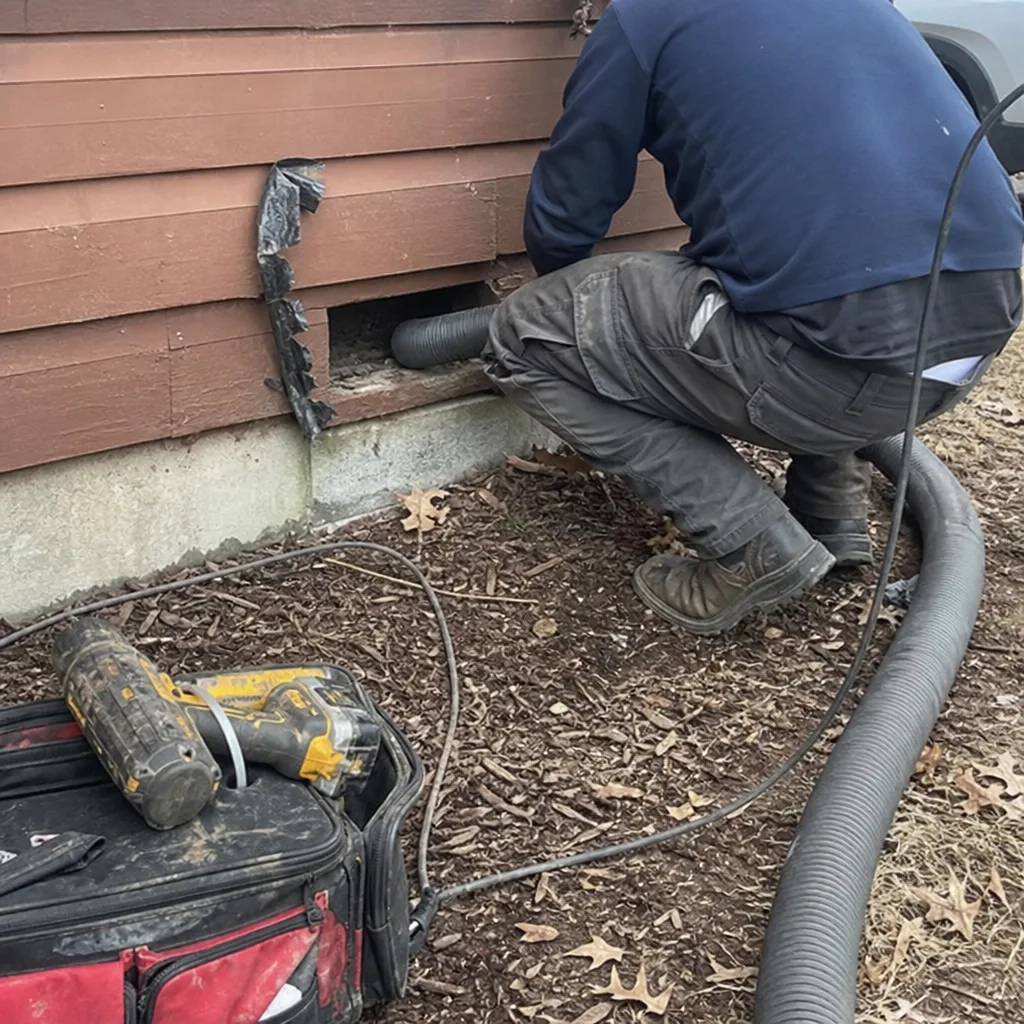 Before
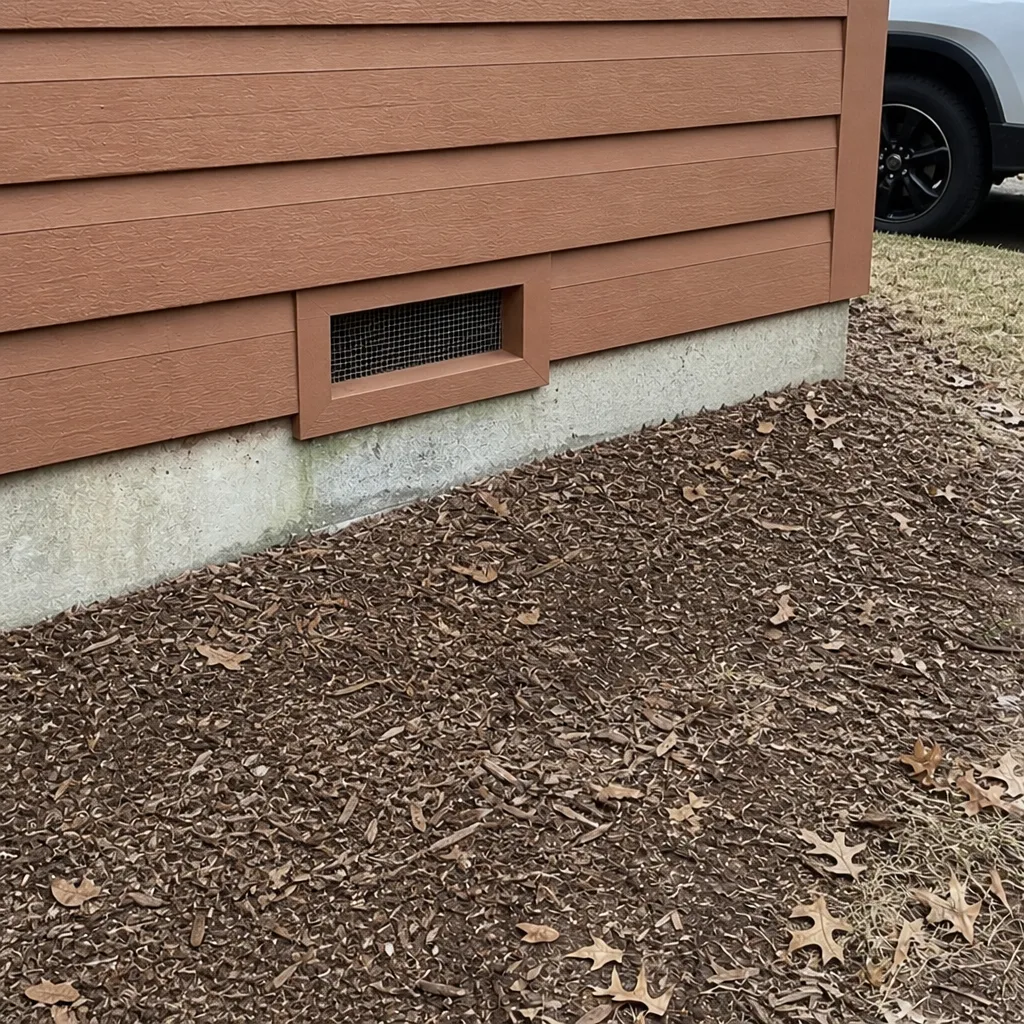 After
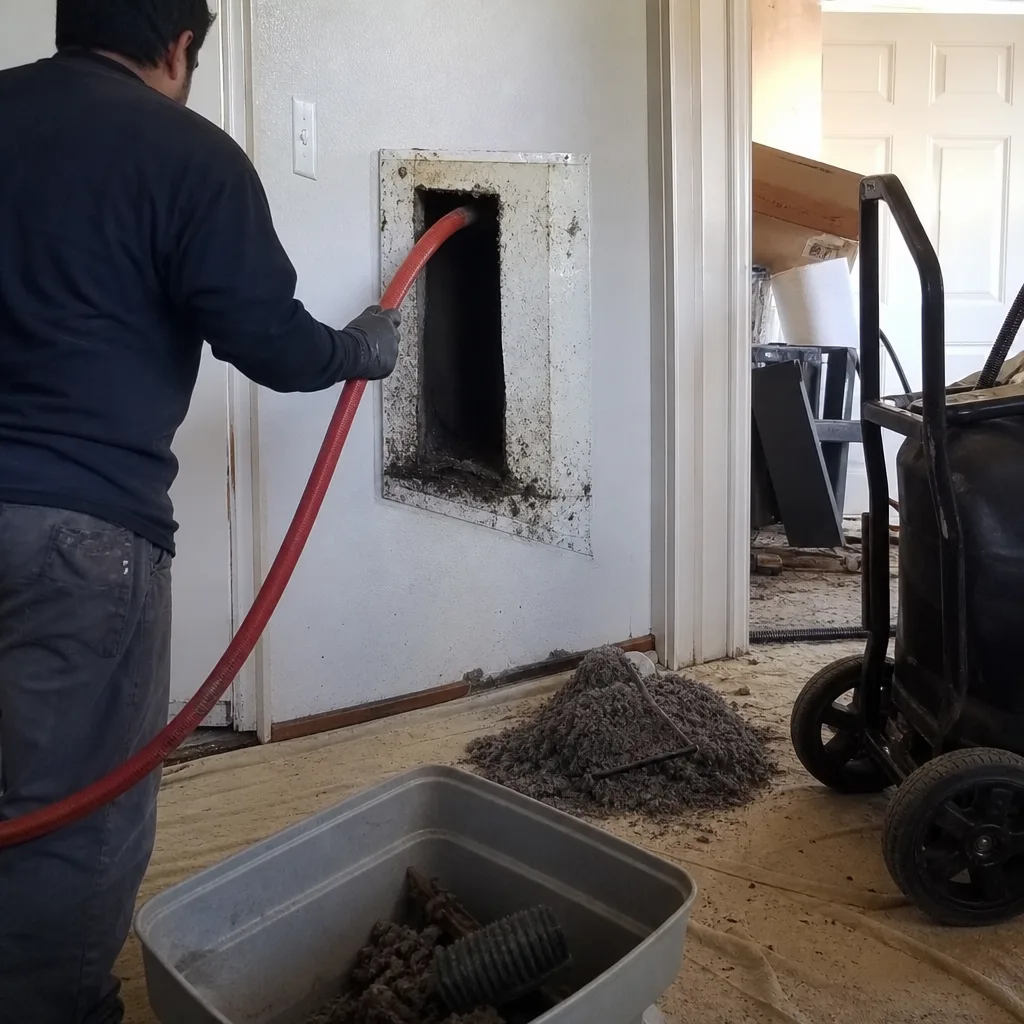 Before
 After
 Before
 After